POLITICAL MEMORY ANALYSIS | Patrick Mwanza
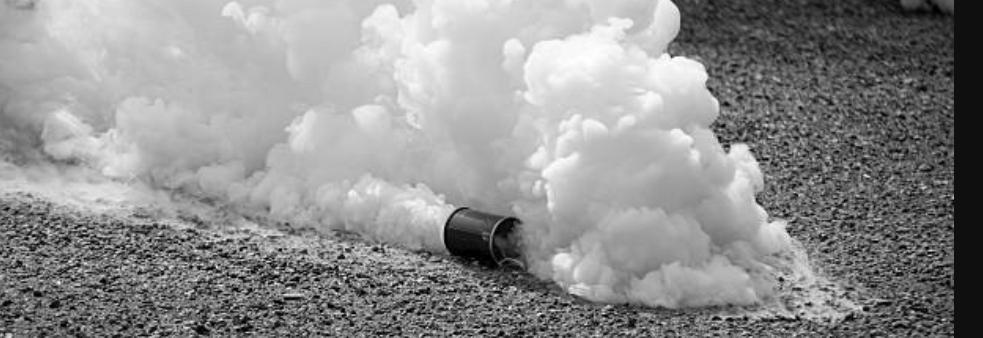
Commemorations marking the May 14 birthday of Malawi’s founding president, Hastings Kamuzu Banda, did not end as planned. Police fired teargas to disperse supporters of the opposition Malawi Congress Party (MCP) and the party’s leader, Lazarus Chakwera, after they attempted to march to the Kamuzu Mausoleum to lay wreaths in Banda’s honour.
Chakwera had earlier led a separate commemoration at MCP headquarters after the official state ceremony concluded. The former president had not been invited to the government event at the mausoleum. Police blocked MCP supporters from reaching the site before firing teargas into the crowd, despite MCP claims that authorities had granted clearance for the gathering.
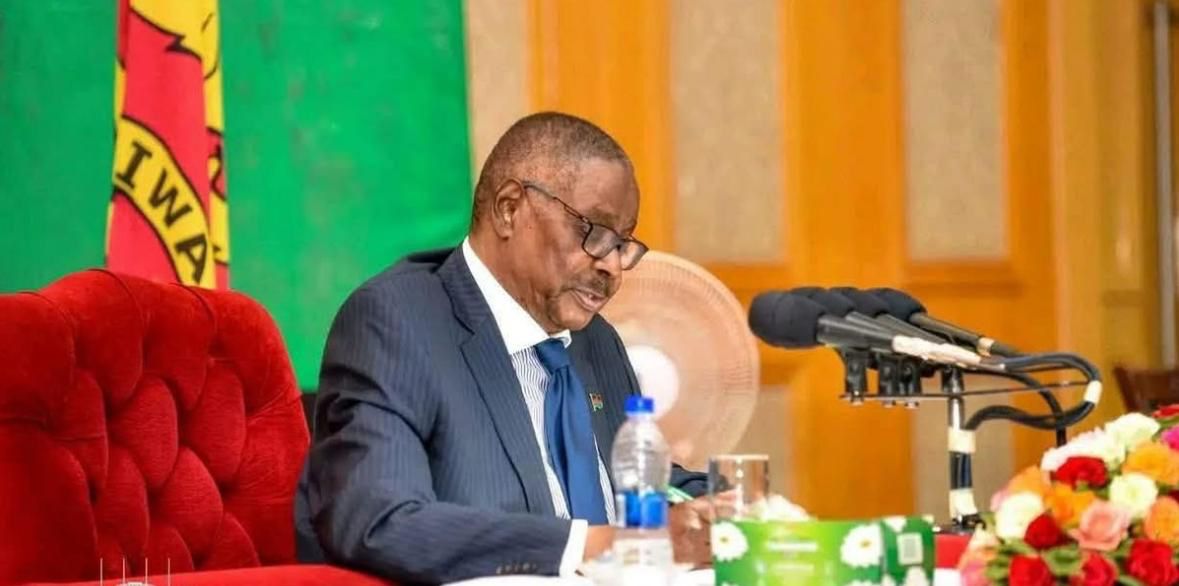
Speaking at the official ceremony, Youth and Sports Minister Alfred Gangata, representing President Peter Mutharika, said Banda had instilled a culture of hard work and made agriculture the backbone of Malawi’s economy.
“There were previous attempts to erase the name of Kamuzu Banda from the minds of Malawians and from the history books. However, the DPP-led government, under the late Professor Bingu wa Mutharika, constructed this mausoleum in 2006 to preserve the legacy of Dr Banda. In the same spirit, the DPP-led government will continue to honour this true Malawian hero,” Gangata said.
“It was Orton Chirwa — MCP’s founding president from 1959 to 1960 and later Malawi’s first Minister of Justice and Attorney General — who handed party leadership to Banda.”
Banda’s birthday is commemorated annually in Malawi. He led the country to independence from the United Kingdom in 1964. Yet his rule was also defined by repression, censorship and intolerance of dissent. He was removed from power in 1994 after Malawi’s first multiparty elections, held following the landmark 1993 referendum that ended one-party rule.
More than three decades later, Banda remains among Malawi’s most divisive political figures.
Gangata was right about one thing: it was Bingu wa Mutharika who deliberately revived Banda’s political legacy. Admiring the founding president, Bingu adopted the Ngwazi title — meaning conqueror — and restored Banda’s name to institutions that had been renamed after the transition to democracy.
Today, there are at least three distinct schools of thought on how Malawi should remember Kamuzu.
The first includes the unlikely alliance of the DPP and MCP, both of which insist Banda’s legacy must remain central to Malawi’s national consciousness, although President Peter Mutharika’s absence from this year’s event raised questions about how committed he is to that cause. MCP goes further, repeatedly emphasising that Banda was the party’s founding leader.
The second group argues that Banda should not have a dedicated public holiday at all. They say he should instead be remembered collectively alongside all those who fought for Malawi’s independence. Banda, after all, joined an already growing nationalist movement after leaving his medical practice in Ghana, where he had relocated from the United Kingdom.
It was Orton Chirwa — MCP’s founding president from 1959 to 1960 and later Malawi’s first Minister of Justice and Attorney General — who handed party leadership to Banda. But after the 1964 Cabinet Crisis, when ministers rebelled against Banda’s increasingly authoritarian tendencies and his dismissal or forced resignation of cabinet members, Chirwa and others fled into exile.
Over the next three decades, Banda became virtually untouchable.
Under his rule, three cabinet ministers and a member of parliament — later known as the Mwanza Four — were killed in 1983. Authorities initially attempted to conceal their deaths, claiming they had died in a car crash while fleeing to Mozambique. But the deaths of Dick Matenje, Twaibu Sangala, Aaron Gadama and David Chiwanga were later widely regarded as political murders.
“The deaths of the Mwanza Four and Chirwa are only fragments of a much darker history.”
The four were seen as critics of Banda and opponents of the growing influence of John Tembo, one of the president’s closest allies.
Orton Chirwa and his wife, Vera Chirwa, were abducted from Zambia by Malawi security forces and convicted of treason. Chirwa died on death row in 1992, just months before Malawi’s referendum on multiparty democracy. Vera, who was Malawi’s first woman lawyer, was released in early 1993 on humanitarian grounds after sustained international pressure.
The deaths of the Mwanza Four and Chirwa are only fragments of a much darker history.
Banda may not belong in the same category as history’s most notorious dictators, but critics argue he inflicted lasting damage on Malawi’s political culture and national psyche. For them, remembering Kamuzu in history books is one thing; celebrating him with public holidays, state ceremonies and taxpayer resources is another entirely.
That argument, once confined to academics, democracy activists and Banda’s longtime critics, has the potential to gain wider acceptance, particularly among younger Malawians with no personal attachment to the founding president’s era. In a country already carrying at least 12 public holidays and facing mounting economic pressures, calls to scrap May 14 as a national holiday may yet gather political momentum.
The teargas and confrontation witnessed this year also exposed this: more than 30 years after the end of one-party rule, Malawi still has not settled the question of how it should remember Kamuzu Banda as founding father, authoritarian ruler, or both at once.
—
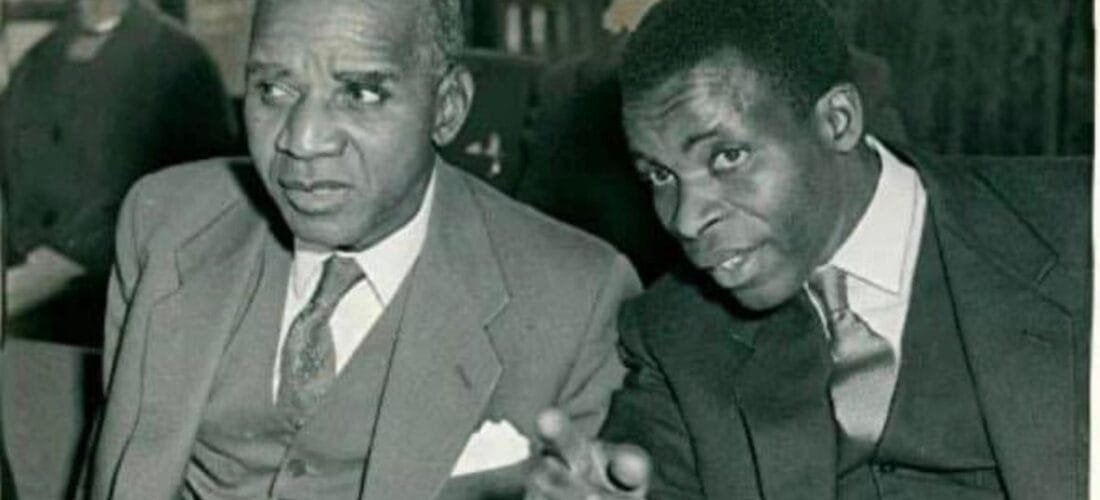
Photo above: Banda (left) and Chirwa.
Also Read: Teargas, tension on Kamuzu Day as police block Chakwera in Lilongwe