By Edwin Mauluka
Malawi’s state-owned sugar producer, Salima Sugar Company Limited, is seeking a government bailout for loans amounting to MWK23 billion, alongside additional funding to sustain operations.
The request was made on Tuesday when the company’s controlling officer appeared before Parliament’s Committee on Commissions, Statutory Corporations and State Enterprises in Lilongwe.
The committee had summoned company officials to clarify reports that the enterprise was being sold.
Acting Chief Executive Officer Charles Thupi told the committee the company was proposing an arrangement in which the government would settle the loans, with Salima Sugar repaying the bailout over time.
According to Thupi, the intervention would ease the burden of high commercial bank interest rates and improve operations, particularly efforts to increase sugar production this year.
“The total debt amounts to MWK23 billion, which are loans we have taken from banks. We feel that the government can bail us out,” said Thupi.
The loans, dating back to 2018, are expected to run until 2028 and were used for infrastructure development, including irrigation systems, as well as operational costs.
Apart from the proposed bailout, Thupi said the company also requires an additional MWK4 billion to prepare for the 2026 production season. He said the company is currently carrying out maintenance works ahead of production.
The financial strain comes as the state-owned enterprise has operated without a board since 2023.
According to Thupi, the absence of a board has made it difficult for the company to secure financing from commercial banks, weakening operations and limiting access to credit.
The Malawi government, through the Greenbelt Authority (GBA), owns 88% of Salima Sugar, while the remaining 12% is held by Indian firm AUM Sugar and Allied Limited.
Addressing reports of a possible sale of the company, Thupi stopped short of dismissing the claims outright.
“We informed the committee that we received assurances through our line ministry, in this case the Ministry of Finance, that Salima Sugar is not on sale,” he said.
“If you want to sell a company, normally you pass through the Privatisation Commission, which invites potential investors, and that has not happened.”
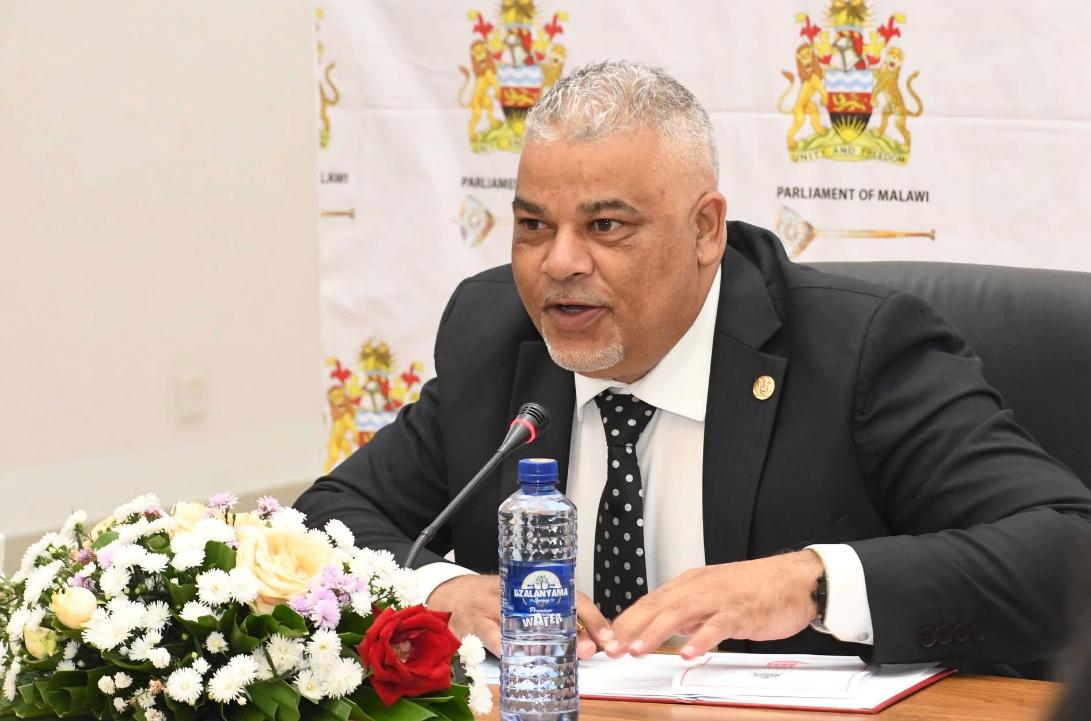
Committee chairperson Sylvester Ayuba James said while a bailout was not necessarily a bad idea, lawmakers needed to fully understand the circumstances surrounding the request.
“For example, there have been recent allegations that the company was being sold. One would want to establish what the bailout is intended to achieve if the sale claims are true,” James said.
He added that if the company was not being sold, the committee would still need assurances that the bailout could help resolve the company’s operational challenges and eventually make it profitable.
However, James stressed that supporting Salima Sugar remained important to maintaining competition in Malawi’s sugar industry and safeguarding a key national investment.
Salima Sugar was established under the Green Belt Initiative as part of the government’s efforts to promote irrigation farming, agro-industrial development and reduce sugar imports.
The meeting marked the beginning of parliamentary committee engagements for the first
quarter of the 2026/27 financial year, part of Parliament’s oversight role aimed at promoting accountability, transparency and effective implementation of government programmes.
—
Also Read: Malawi Mega Farms: Central Region gets 78% of inputs as loan defaults rise
Related: IMF, Malawi to meet November 5 as debt soars to K21.6 trillion