
By Edwin Mauluka
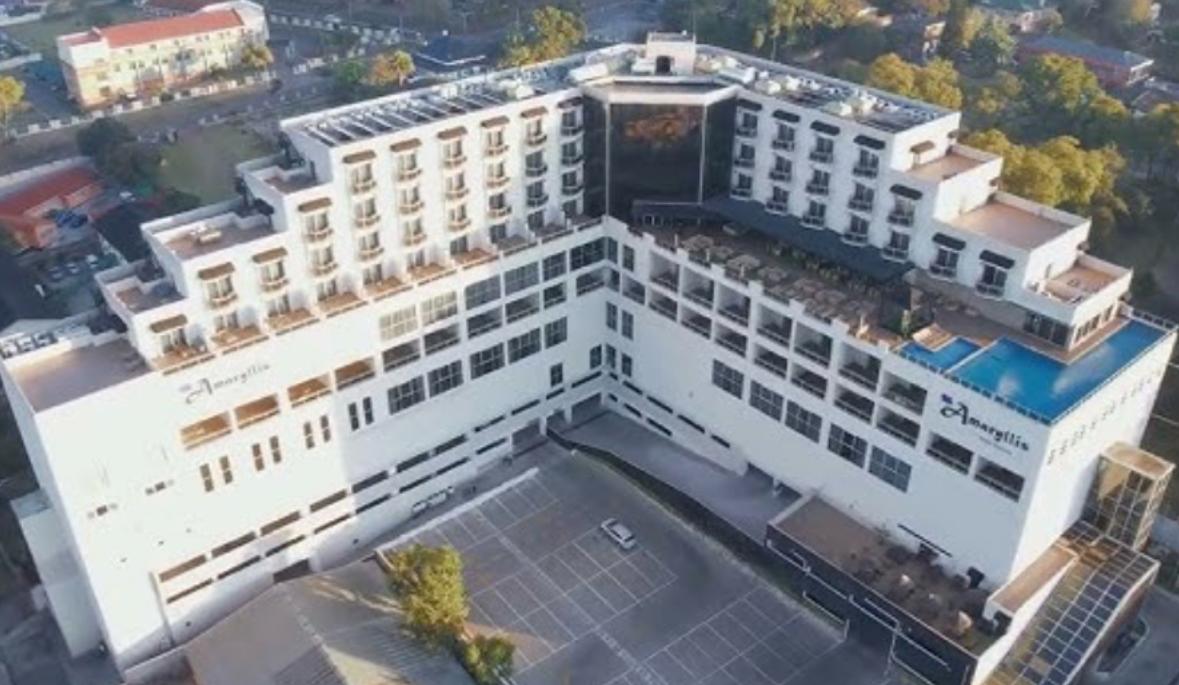
Malawi’s Registrar of Financial Institutions (RFI), under the Reserve Bank of Malawi, has revoked the licences of trustees of the Public Service Pension Trust Fund (PSPTF) over their handling of the controversial purchase of the Amaryllis Hotel.
The decision bars the eleven trustees from undertaking any transactions, decisions or actions in their capacity as PSPTF trustees.
Those affected are Chizaso Eric Nyirongo, Chikondi Veronica Phiri, Idris Mdala Mwale, Maxwell Spencer Tsitsi, Ireen Chikapa, Arthur Manyunya, Precious Chimbamba, Yona Phiri, Richard Zimba, Brazio Mphepo and Bernard Nyondo.
In a statement issued on Thursday, Registrar of Financial Institutions George Partridge said the revocation was made in line with Section 36(1)(d) of the Pension Act, 2023, citing the trustees’ failure to comply with financial services law.
Partridge said the trustees had ignored “an administrative penalty directing them to remedy the effects of a contravention” by rescinding the Amaryllis Hotel acquisition contract and recovering funds paid to Yusuf Investment Limited, the hotel’s owner.
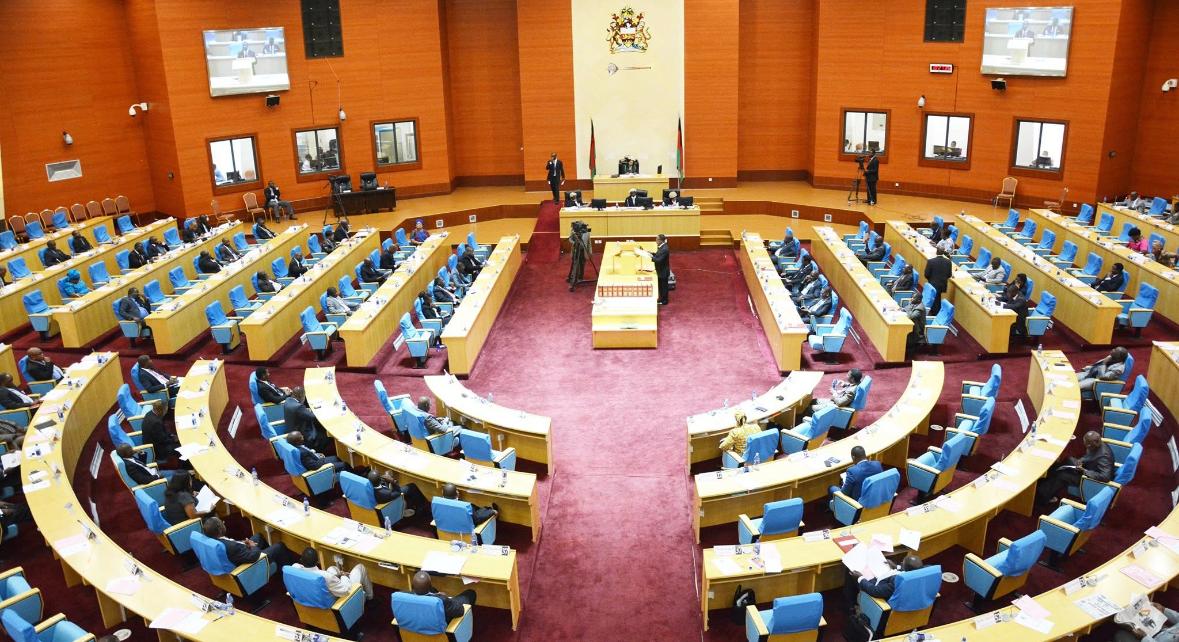
Meanwhile, Parliament’s Public Accounts Committee (PAC) continued its inquiry into the transaction, meeting officials from FDH Bank and the National Bank of Malawi.
FDH’s Head of Treasury and Investment Banking, Esnart Suleman, told the committee that the bank does not deal directly with the pension fund but with its service providers.
“In respect of this transaction, we received instructions from one of the fund managers, Old Mutual Investment Group,” Suleman said, adding that transfers were made in January in four separate tranches.
She said the funds were sent to Yusuf Investment accounts held at the National Bank of Malawi. Continental Asset Management also issued similar instructions.
“We credited the amounts as instructed,” Suleman said, noting that on 26 March 2026, FDH received a directive from the Reserve Bank of Malawi to halt further payments.
“Since that directive, there have been no further settlements relating to this transaction,” she said.
Earlier, PAC suspended its engagement with National Bank officials after the bank declined to disclose key details, citing confidentiality obligations.
Led by chief executive Harold Jiya, the bank’s delegation was asked to provide information including the total amount paid by PSPTF to Yusuf Investments, subsequent movement of funds, and the identities of beneficiaries.
The bank refused, arguing that customer confidentiality and other laws restrict disclosure of such sensitive financial information.
PAC chairperson Steven Malondera suspended proceedings to allow consultations with relevant authorities on how the information could be obtained.
In a related development, Yusuf Investments Limited — the firm at the centre of the sale — obtained a court injunction after PAC rejected its request for a closed-door hearing.
PAC vice-chairperson Tulinje Muluzi said the committee had invited the company to clarify issues surrounding the sale, stressing the matter’s significance to pension contributors and the public.
“The committee considered the seller’s appearance essential to understanding the full circumstances of the transaction,” Muluzi said, including how the purchase price was determined, the roles of various actors and the movement of funds.
He said the company had requested an in-camera hearing, citing security and confidentiality concerns, but the committee found no sufficient justification to depart from open proceedings.
According to Muluzi, Yusuf Investments’ lawyer, Gabriel Gambale, wrote to the committee on 25 April 2026 challenging PAC’s jurisdiction, arguing that as a private entity, the firm falls outside parliamentary oversight.
Muluzi rejected this, saying Parliament has constitutional authority under Section 60 to summon any person or entity in the course of its oversight role.
“While we appreciate concerns about personal safety, the committee was not satisfied that sufficient evidence had been presented to justify a closed session, particularly in a matter involving substantial public funds,” he said.
When the committee insisted on a public hearing, the company declined to proceed.
“It was at that point that Mr Yusuf refused to continue appearing before the committee,” Muluzi said.
He urged witnesses to cooperate with parliamentary proceedings, stressing the importance of accountability and transparency.
“This inquiry is not about personalities. It is about accountability. It is about protecting public institutions and, above all, safeguarding the savings of ordinary Malawians,” Muluzi said.
—
Also Read: Amaryllis sale sparks transparency concerns as pension fund questions deepen