
By Edwin Mauluka
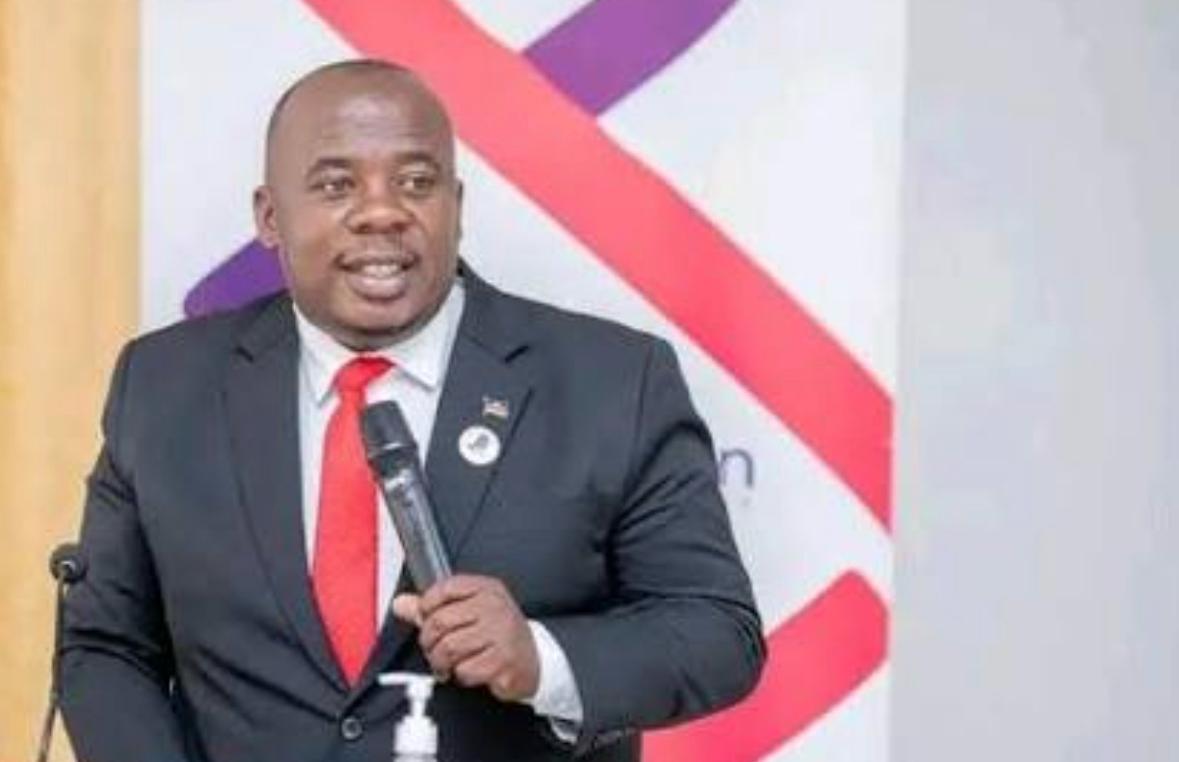
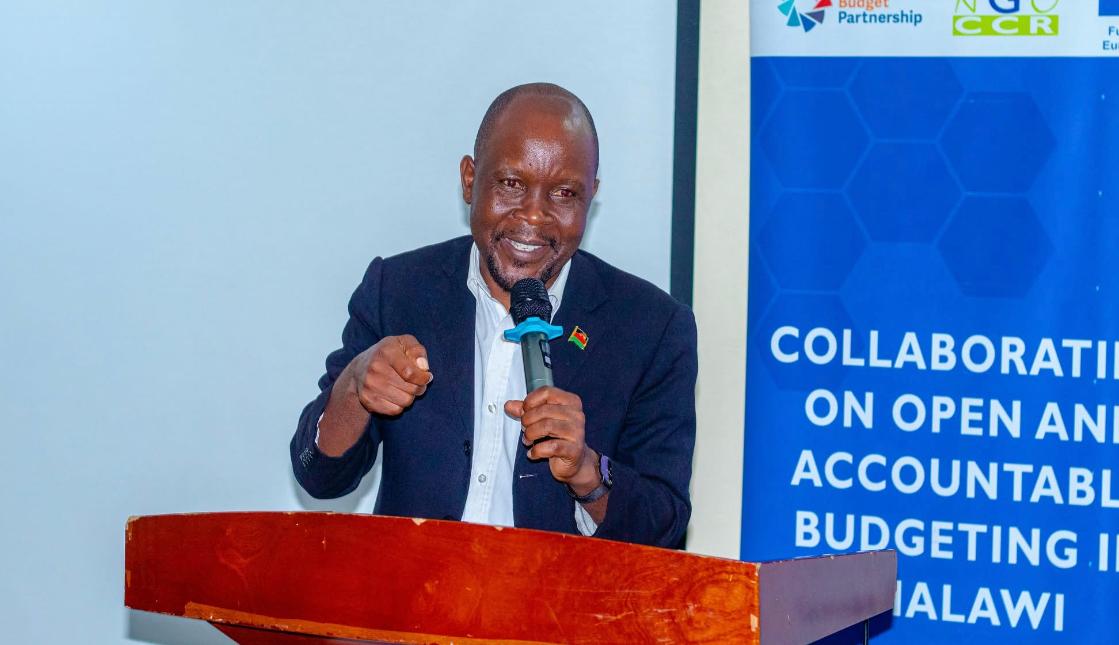
President of the People’s Development Party (PDP) and Mulanje Central MP, Kondwani Nankhumwa, has warned that the newly proposed Constituency Development Fund (CDF), set to roll out on April 1, is likely to face serious implementation challenges.
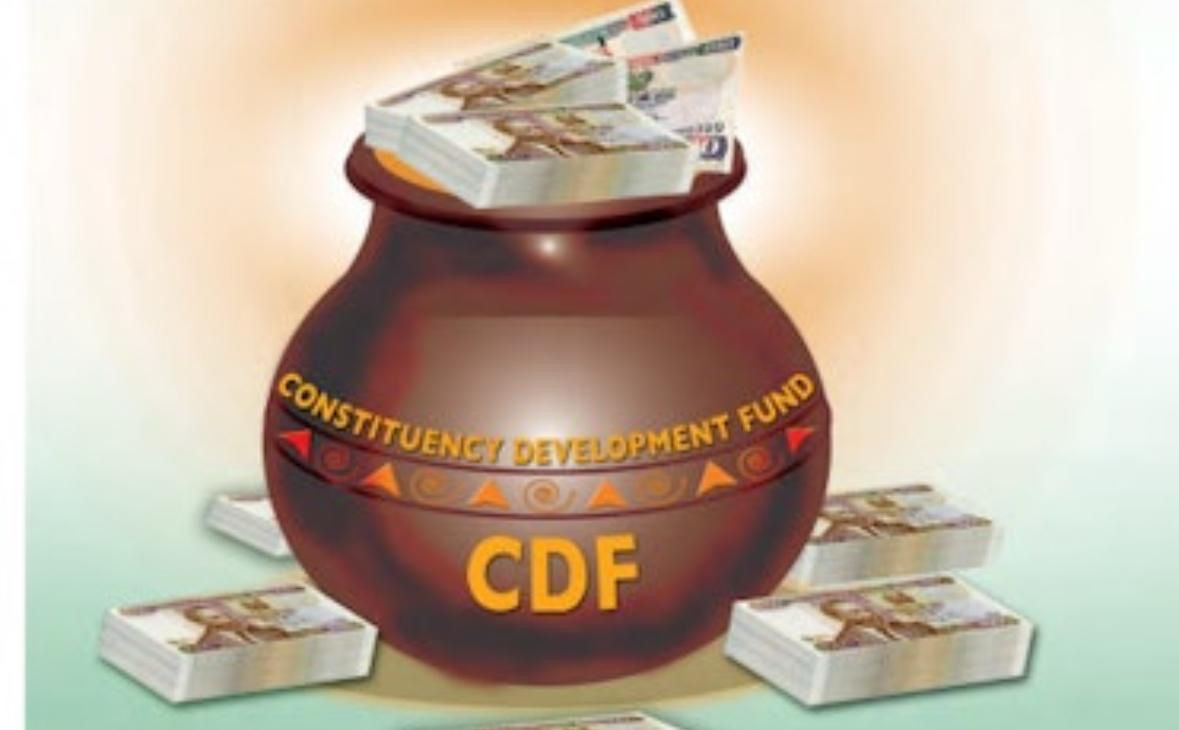
Government plans to introduce a reformed CDF with a total allocation of MWK1.145 trillion, equivalent to about MWK5 billion per constituency.
Contributing to the national budget debate, Nankhumwa questioned the feasibility of the allocation, citing past underfunding. He noted that out of the MWK8.43 trillion expenditure in the 2025–2026 financial year, only MWK507 billion went to locally funded projects, while the CDF received MWK28.5 billion, just 6.4 percent of total spending.
“Revised estimates were MWK670 billion for projects and MWK46.4 billion for CDF, yet government only funded 75 percent of that,” he said. “If government has failed to fully fund MWK46 billion, how will it manage MWK865 billion under the inflated MWK1.15 trillion CDF? This creation of baseless optimism is a recipe for financial chaos.”
He warned that such underfunding risks pushing councils into binding contracts the government cannot honor, ultimately creating arrears.
Nankhumwa also criticised what he described as unrealistic budgeting practices, saying consistently funding only about 60 percent of approved budgets undermines fiscal discipline and fuels debt.
He further questioned spending priorities, arguing that excessive allocations to government operations are crowding out key productive sectors such as agriculture, tourism, mining, and manufacturing.
“Investments in irrigation, mechanisation, research, storage, infrastructure and agro-processing are far too low,” he said. “The mining sector holds enormous potential to transform the economy through foreign exchange generation, job creation and industrial growth.”
He cited the Kasiya rutile and graphite deposit — one of the largest globally — as an example of untapped potential, estimating it could generate up to $645 million annually for more than 50 years. Despite this, mining revenues remain minimal and policy gaps persist.
As an alternative, Nankhumwa proposed a scaled-down and more realistic budget framework. He suggested allocating MWK68.7 billion to CDF (about MWK300 million per constituency), MWK650 billion to goods and services under austerity measures, and an additional MWK200 billion toward productive investments and ongoing projects.
He added that improved tax administration by the Malawi Revenue Authority could generate an extra MWK200 billion, helping to reduce the fiscal deficit to about MWK1.9 trillion, roughly 6 percent of GDP.
Nankhumwa said Malawi needs a new fiscal direction anchored on discipline, productive investment and private sector empowerment.
“Malawi does not suffer from a shortage of potential, but from a shortage of sound economic decisions,” he said. “We have fertile land, hardworking citizens and vast opportunities in agriculture, tourism and mining. The time has come to move from managing poverty to building prosperity.”
He noted that persistent inflation, foreign exchange shortages, rising public debt and weak growth demand a more credible and growth-oriented budget.
According to Nankhumwa, the 2026–2027 budget falls short, as it promises stability while expanding the fiscal deficit and prioritising consumption over production.
“While every Malawian desires strong growth, the projected 3.8 percent remains fragile,” he said, warning that structural constraints, including forex shortages, high interest rates and limited industrial investment, will likely undermine performance.
He also criticised adjustments to PAYE and VAT, as well as new import surcharges on goods such as fruits and kitchenware, saying they will raise the cost of living.
“High import surcharges may also encourage smuggling and risk conflicting with regional trade rules under SADC and COMESA,” he added.
Despite his concerns, Nankhumwa acknowledged government efforts to stabilise the economy under difficult conditions, including expenditure controls, improved revenue collection, and measures to support food security and farmers during periods of economic stress.
—
Also Read: President Mutharika must veto the CDF Amendment Bill
Related: You snooze, you lose: Nankhumwa protests after missing Malawi Speaker race
Related: ‘Why debate?’ MPs question budget process as recommendations go nowhere