By Edwin Mauluka
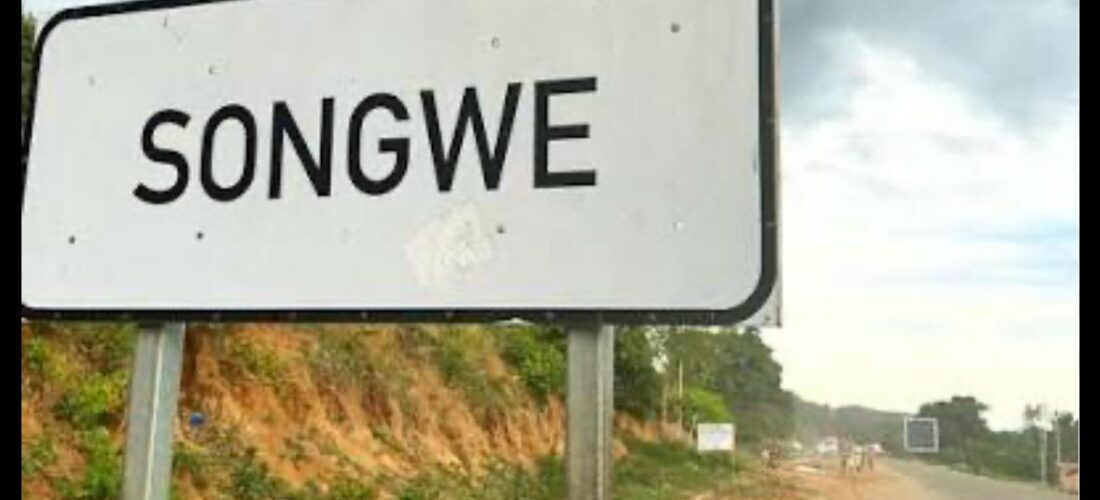
Malawi should prioritise investment in infrastructure at the Songwe border post in Karonga to boost regional trade, the Parliamentary Cluster Committee on Industry, Trade, Tourism and Communication has said.
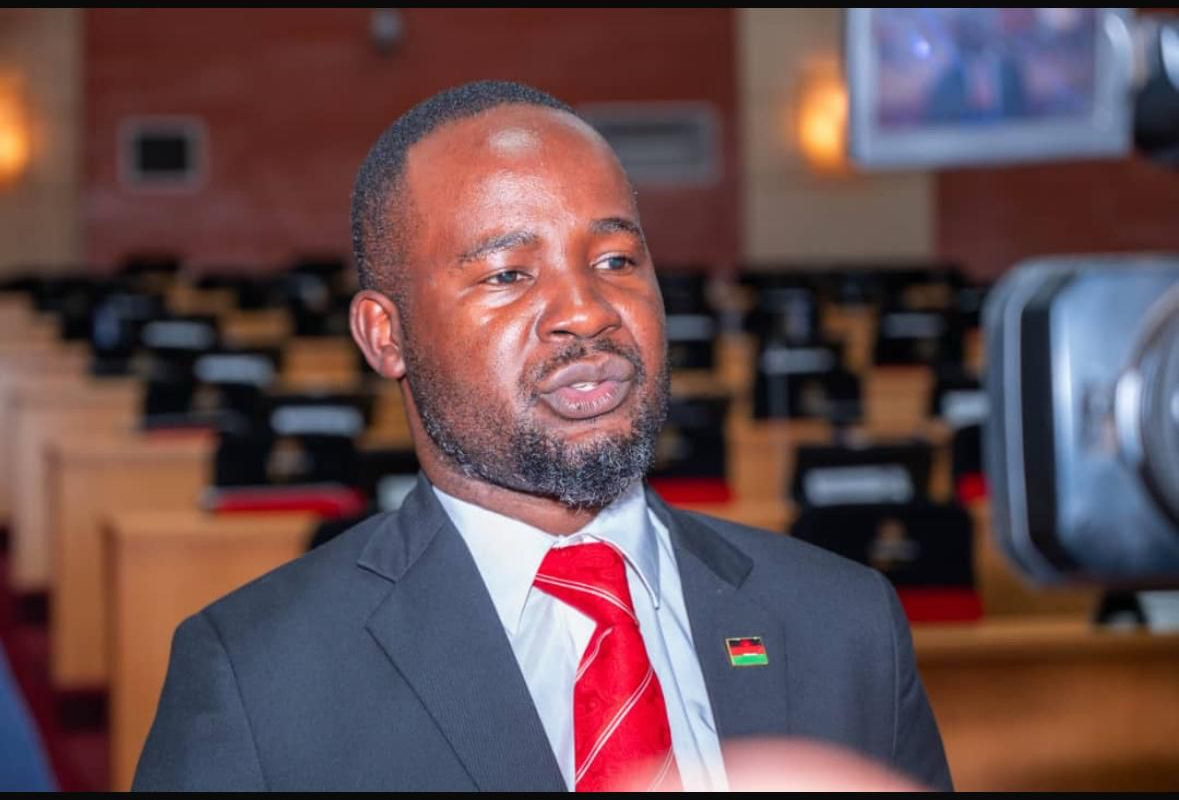
Committee chairperson Aekim Kumwenda, Member of Parliament for Mzimba West, noted that the 2026–2027 national budget does not allocate funds for the project, despite Tanzania having already completed a similar facility on its side of the border.
“The cluster therefore recommends that government should allocate resources for the completion of the Songwe one-stop border post, as this is the busiest crossing and strategically important for regional trade within the SADC region,” said Kumwenda.
The committee, however, commended the government for ongoing trade facilitation efforts, including the establishment of special economic zones, export processing zones and the automation of trade systems.
It also observed that the Ministry of Industrialisation, Business, Trade and Tourism’s budget for the 2026–2027 financial year has declined by about 8 percent, largely due to the transfer of some projects to the Malawi Investment and Trade Centre (MITC).
Meanwhile, the committee praised the Malawi Bureau of Standards for its strong revenue performance and commitment to consumer protection and quality assurance. The bureau is projecting revenue of MWK50.4 billion this financial year, marking significant growth from previous years.
The Malawi Communications Regulatory Authority (MACRA) is also expected to post strong results, projecting revenue of MWK65.9 billion, with MWK15 billion to be paid to government as dividends.
Similarly, the Malawi Gaming and Lotteries Authority is projecting revenue growth to MWK25.04 billion, reflecting continued expansion in the gaming sector.
In a related development, the Public Accounts and Budget Cluster Committee has backed a proposal by the Financial Intelligence Authority (FIA) to procure a real-time anti-money laundering analytical system.
Vice chairperson Tulinje Muluzi, who is also Member of Parliament for Machinga Likwenu, said the system would strengthen the authority’s capacity to analyse large volumes of financial transactions.
“The authority plays a crucial role in combating money laundering and other financial crimes, but it currently lacks adequate human resources to effectively analyse daily transaction reports,” said Muluzi.
He added that the FIA recorded notable successes over the past year, supporting investigations into money laundering cases worth MWK82 million, securing two forfeiture orders valued at MWK2.8 billion, and obtaining six preservation orders worth MWK10.32 billion.
The authority has been allocated MWK3.7 billion in the new budget, representing a 39.7 percent increase.
The committee has also called for increased funding to the Accountant General’s Department, citing its central role in public financial management. It raised concern over reduced allocations for pensions and graduate recruitment, which stand at MWK302 billion—a 28.7 percent decrease from the previous budget.
On revenue collection, the committee stressed the need for the Malawi Revenue Authority (MRA) to enhance public education on tax compliance.
“The authority must also exercise sensitivity in tax enforcement, particularly towards small and medium enterprises and vulnerable citizens already struggling under current economic conditions,” Muluzi said.
The committee further cautioned government to align spending with national priorities while addressing key operational challenges.
Muluzi noted that erratic funding of recurrent transactions had disrupted operations at the Ministry of Finance, with the ministry at one point going three consecutive months without funding.
“This created serious operational challenges. The committee urges the ministry to enforce fiscal discipline across all government institutions while intensifying efforts to mobilise both domestic and external resources amid declining development assistance,” he said.
The committee also emphasised the importance of reducing public debt, warning that debt restructuring efforts must be managed carefully to avoid destabilising the financial sector.
Despite these concerns, it commended the Ministry of Finance for key achievements, including migrating state-owned enterprise bank accounts to the Reserve Bank of Malawi, operationalising the Revenue Appeals Tribunal, and conducting quality assurance reviews in 22 local councils.
Progress was also noted in social protection programmes, with over 292,000 households enrolled in the Social Cash Transfer Programme and more than 528,000 households benefiting from the Climate Smart Public Works Programme, Muluzi added.
—
Also Read: Tanzania ups the ante in “trade war” against Malawi
Related: SADC dissatisfied with Tanzania’s polls after Suluhu ran against herself
Related: Democracy divided: Malawi votes for change, Tanzania shuts the door