By Edwin Mauluka
The parliamentary cluster committee on Health has proposed introducing sin taxes and toll gates in border districts to raise revenue for Malawi’s struggling health sector, as foreign aid continues to decline.
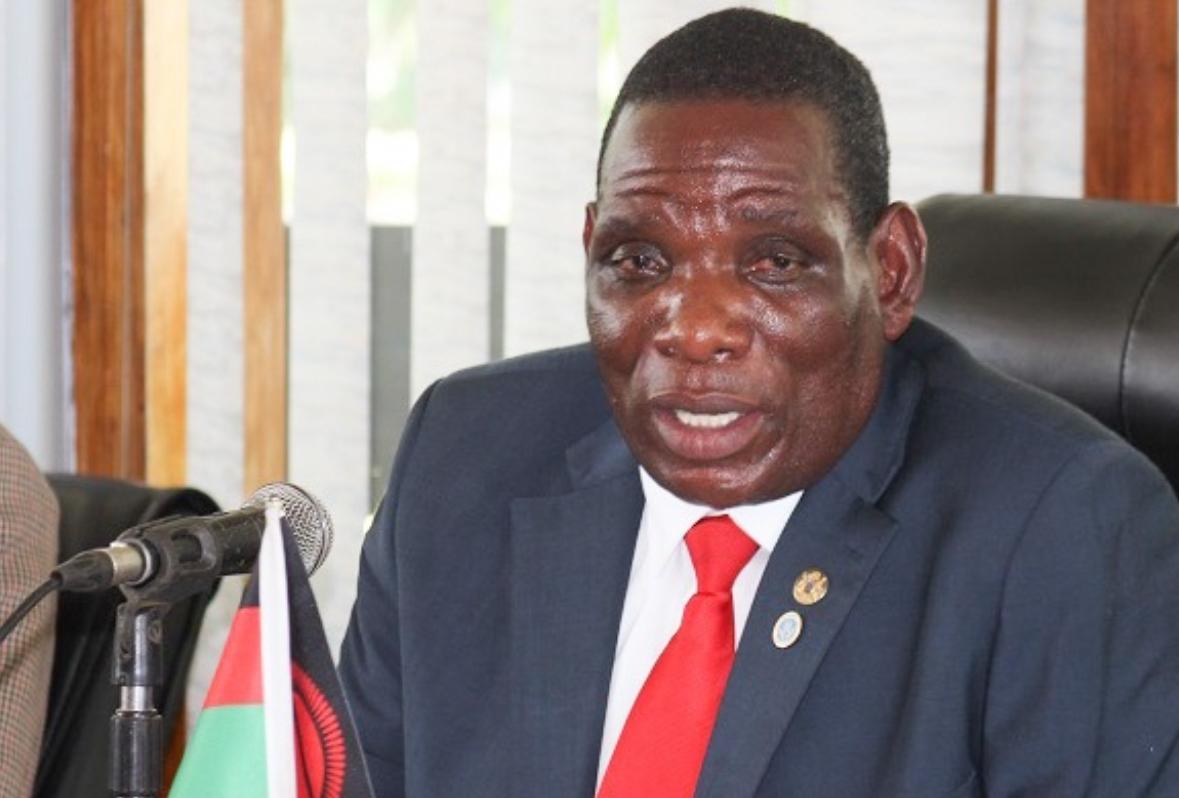
Presenting the committee’s budget analysis, chairperson Anthony Masamba, Member of Parliament for Mchinji North, warned that inadequate financing and weak governance are undermining the country’s development goals.
“The committee’s report lays bare the harsh realities of our healthcare system. We are failing to keep up with increasing demand, and it is time to address the root causes,” he said.
Masamba stressed that health is central to Malawi’s social and economic development, but the sector continues to face critical challenges, including shortages of essential medicines, poor infrastructure, and a growing brain drain of health professionals.
“Our professionals are doing their best with limited resources and low budgetary support, while demand for services continues to rise. We are all witnessing donor fatigue. Budget support has been shrinking, yet we continue with business as usual,” he said.
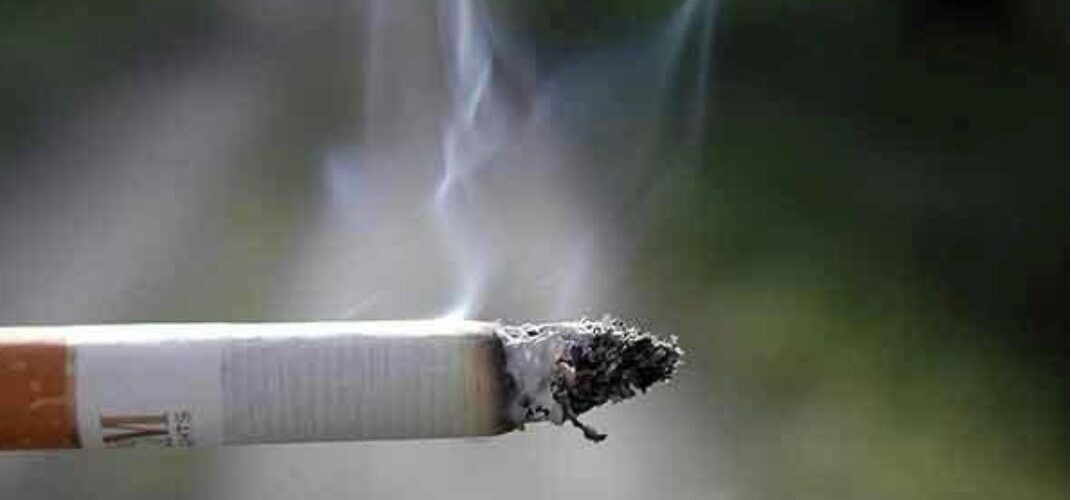
To address the funding gap, the committee has proposed new “sin taxes” on products such as tobacco, sugar, and alcohol.
It has also recommended the introduction of toll gates in border districts as an additional revenue stream. However, Masamba cautioned that such funds are often vulnerable to misuse.
To improve accountability, the committee is proposing the establishment of a National Health Fund (NHF) and the enactment of a national health insurance scheme to ring-fence and reinvest the revenue generated.
“All health-related revenues should be channelled into the proposed NHF,” he said.
The committee also criticised continued funding of stalled projects, citing the Mponera Health Facility. The project received MWK2 billion in the previous fiscal year but has yet to commence, despite being allocated a further MWK1.6 billion in the current budget.
“The cluster proposes that stalled projects should not receive additional funding. Instead, these resources should be redirected to priority areas such as constructing VVIP wings in central hospitals to reduce costly external referrals,” Masamba said.
He noted that in the 2025/26 fiscal year alone, the government spent over MWK2 billion on external medical referrals.
Despite its concerns, the committee welcomed government efforts to mobilise local resources, including the introduction of paying services in public health facilities. Masamba said the Central Medical Stores Trust (CMST) and the Ministry of Health generated MWK3.5 billion from such services in the previous fiscal year.
“These funds help facilities continue operating when government disbursements are delayed. However, safeguards must be in place to protect the most vulnerable,” he said.
Presenting the MWK10.978 trillion 2026/27 National Budget, Finance Minister Joseph Mwanamvekha said paying wards in central and district hospitals will help generate additional resources while improving service delivery.
“People who can afford to pay for healthcare should do so, thereby subsidising those who cannot,” he said.
The health sector has been allocated MWK1.02 trillion, representing 9.2 percent of the total budget. This includes MWK108.3 billion for medicines and medical supplies—MWK58.3 billion for central hospitals and MWK50 billion for district hospitals.
An additional MWK20 billion has been allocated to CMST to settle arrears, while MWK65.7 billion will go towards operations of central hospitals and maintenance of medical equipment. District hospitals have been allocated MWK25.3 billion for operations.
Health rights activist Maziko Matemba expressed concern that the allocation remains below the African Union’s 15 percent target and unchanged from last year.
“It is disappointing that the health budget remains at 9.2 percent. Government has also been silent on key financing reforms such as the National Health Fund,” he said.
Meanwhile, Malawi Health Equity Network (MHEN) board chairperson Yandura Chipeta commended the government for continuing to prioritise the health sector despite fiscal pressures.
—
Also Read: ‘Why debate?’ MPs question budget process as recommendations go nowhere
Related: Malawi MPs question K2bn vehicle purchase as disaster response struggles
Related: Malawi opposition MPs pressure DPP govt for tough economic reforms