
OPINION | GUEST ESSAY | Bertrand Banda
I have been following events in Tanzania closely, and I must say, I feel deeply for those Tanzanians who are unhappy with the way their election was handled. Some citizens seem content with the chaos, but many others clearly recognize the damage it has done to their democracy. I stand with the latter. I can only hope President Samia Suluhu Hassan will eventually admit that the outcome has hurt Tanzania’s image.
What disappointed me most was the silence from the African Union. It was disheartening to see the AU shy away from calling out what was plainly a flawed process. At least the Southern African Development Community had the courage to acknowledge what the rest of us saw unfold before our eyes.
Watching all this, I couldn’t help but think about Malawi before our own elections in September. The tension was rising, and I worried that the Malawi Congress Party might not accept the results if it lost. Indeed, there were some attempts to challenge the outcome, but former president Lazarus Chakwera must have realized quickly that the margin of defeat was too wide to contest seriously.
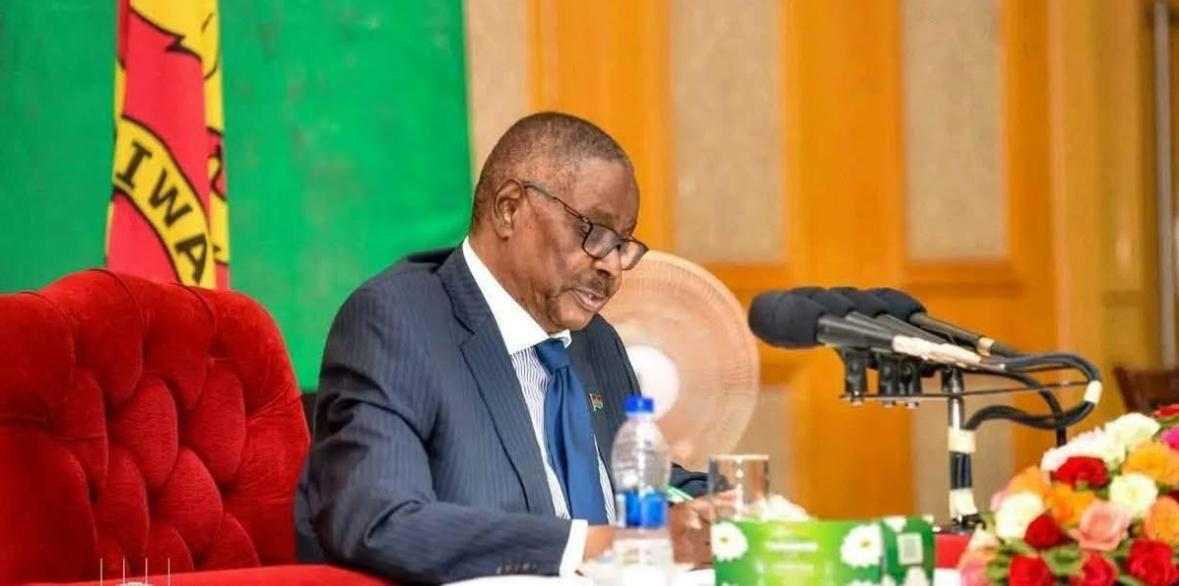
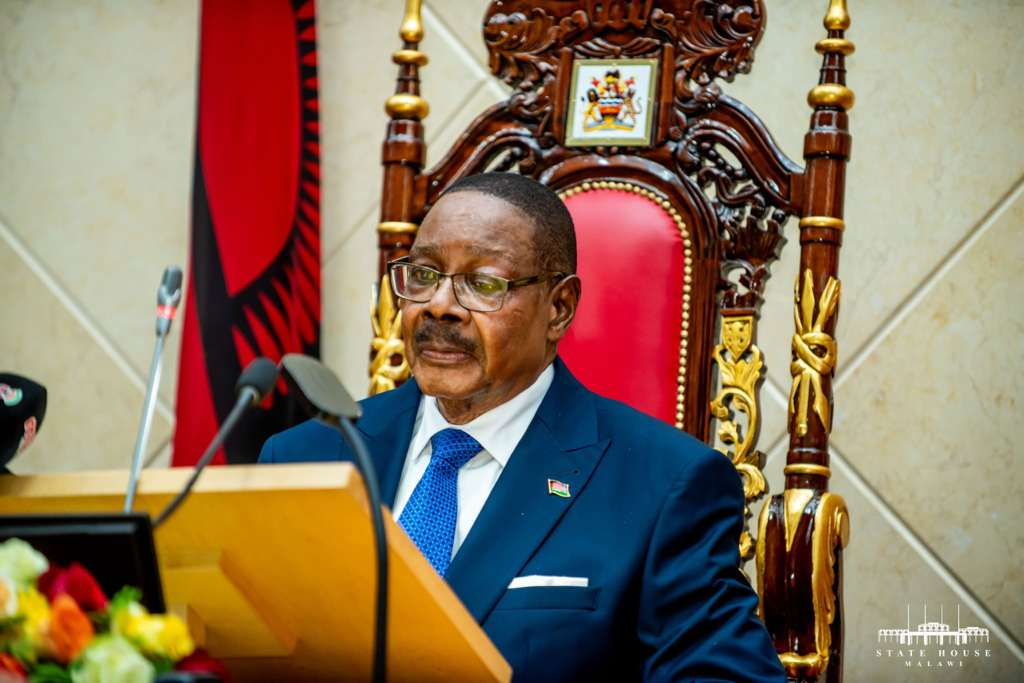
Now, with Peter Mutharika back in office, the mood feels different. He seems driven by an intense desire to deliver. His schedule is relentless, and he has hinted that he barely gets any sleep, sometimes only a couple of hours a night. Whether that figure is exact or not, the message is unmistakable: he feels an urgency to act and expects his government to match that energy.
At his age, nearing 85, Mutharika’s stamina is remarkable. It should embarrass anyone in his cabinet who might be tempted to take things easy. If he can rise early and work tirelessly, surely those decades younger can do the same.
What stands out this time is his focus on results. He has made it clear that those who fail to perform will be replaced. That, to me, is encouraging. For too long, the public sector has been filled with complacency. Many government employees behave as though showing up is an achievement. They arrive late, leave early, and treat citizens seeking help as inconveniences. That culture has to change.
When the new ministers were sworn in, Mutharika told them to get straight to work, with no period of adjustment or delay. He made it clear that public service is a responsibility, not a reward, and that integrity, diligence, and humility should guide their work. He wants officials who put the country ahead of personal gain and who take their roles seriously from day one.
He has also emphasized production and self-reliance as essential for national recovery. In his view, Malawi can’t keep depending on imports and aid. We must start producing, exporting, and creating jobs for our people. It is a simple but powerful message that speaks to where the country needs to go.
As someone who has seen how Malawians are treated abroad, I know how hard it can be to hold your head high when your country is mocked for its struggles. Many of our people endure harsh conditions in foreign lands just to earn a living. That pain runs deep.
But lately, I have felt a renewed sense of pride. For the first time in a long while, I see hope flickering again. It comes from watching an older leader bring back urgency, discipline, and purpose to public life.
If a man in his eighties can work this hard for his country, what excuse do the rest of us have?