PERSPECTIVE | Patrick Mwanza
Are they spendthrifts? That would suggest people who spend money wastefully. Or perhaps prodigal, that is, extravagant with resources that are not entirely theirs. Maybe even squanderers, those who simply throw money away.
Such labels usually apply to individuals. Governments tend to receive gentler language. We call it fiscal irresponsibility. Sometimes profligacy. In plainer English, it may simply be this: thoughtless spending.
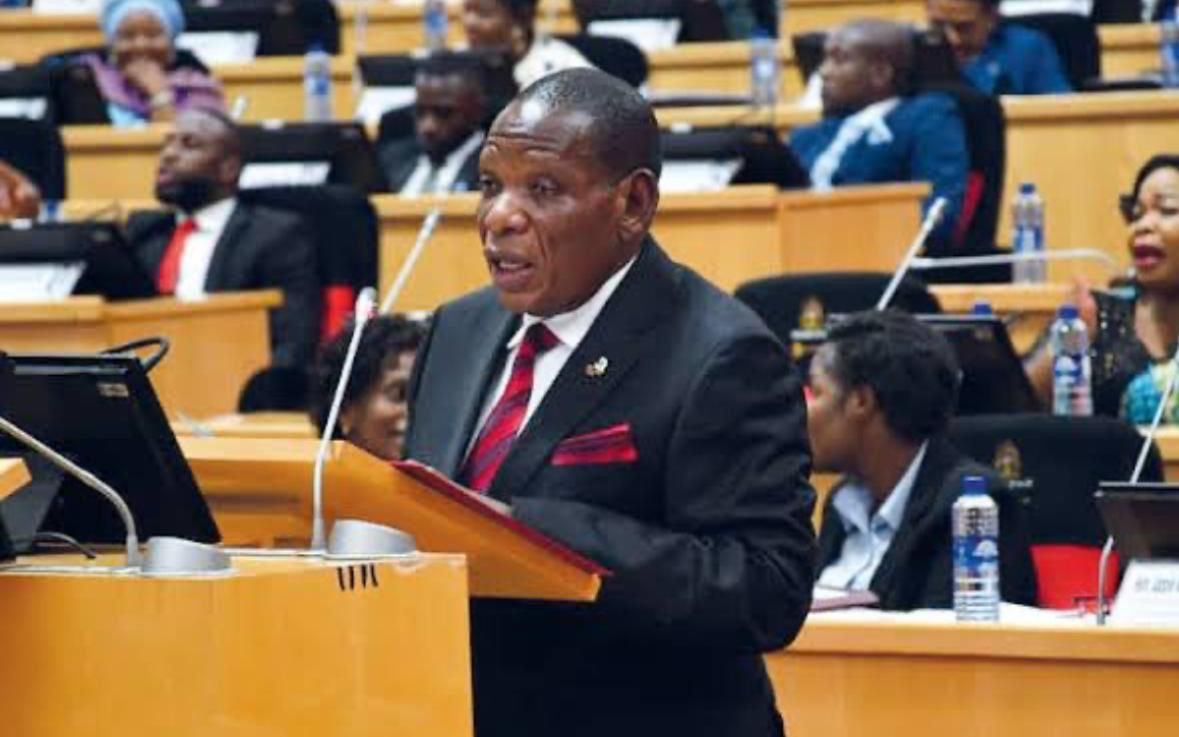
Members of Malawi’s Parliament appeared to have something like that in mind when they recently questioned certain budget priorities.
During consultations on the 2026/27 national budget, the Parliamentary Cluster Committee on Commissions, Statutory Authorities and State Enterprises and Public Appointments raised concerns about plans to purchase vehicles for cabinet ministers and principal secretaries.
Their argument was simple: disaster preparedness should come first.
The concerns surfaced during a meeting with officials from the Office of the President and Cabinet (OPC), following the presentation of the national budget by the Minister of Finance last week.
OPC Principal Secretary for Administration Rashid Mtelera told lawmakers that the MWK41.2 billion allocated to his office would not be enough to cover operations. He said the office requires an additional MWK11.1 billion to implement reforms and respond to disasters.
Part of that request included about MWK2 billion to upgrade the government vehicle fleet.
“Vehicles that are roadworthy for ministers are very few,” Mtelera explained. Some vehicles had even been borrowed from the Ministry of Foreign Affairs and State House so ministers could remain mobile.
Principal secretaries, he added, were also using aging vehicles, many more than five years old. The situation, he said, had been worsened by a policy allowing some contract-based principal secretaries to purchase the vehicles they used when they leave office.
Lawmakers were unimpressed.
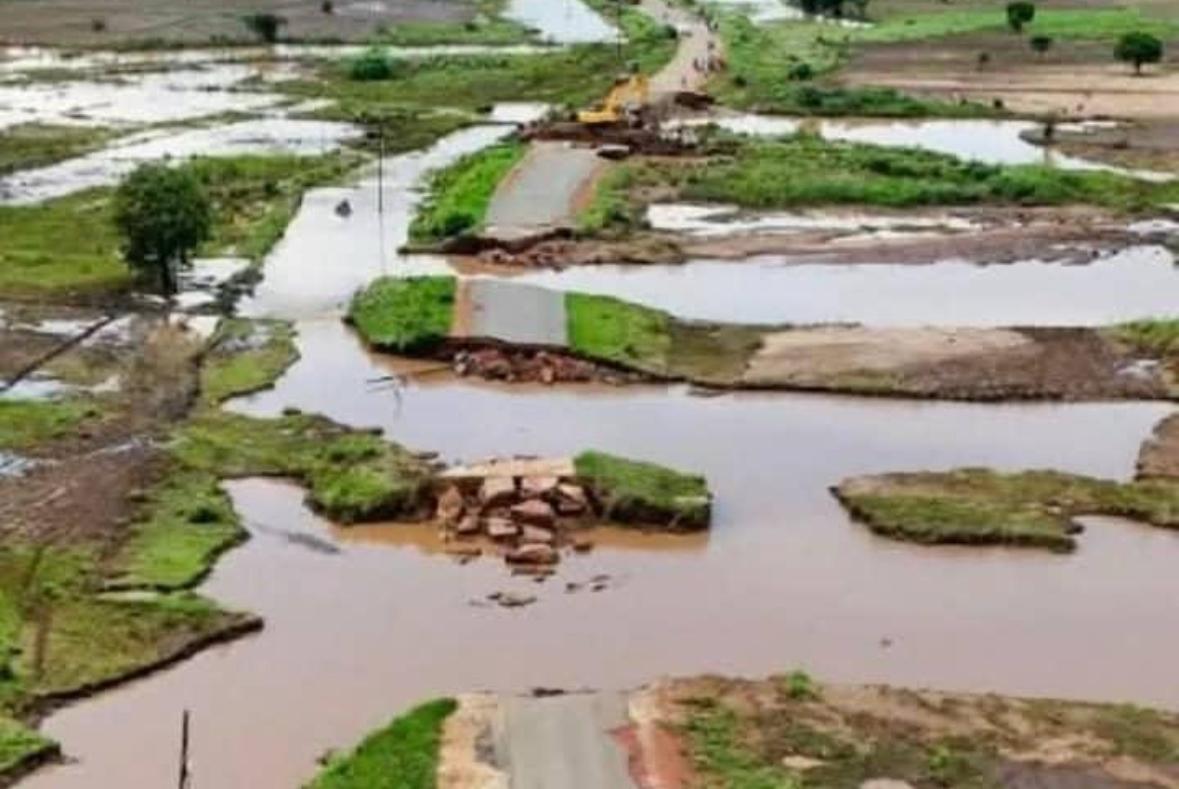
Nsanje Central MP Francis Kasaila argued that the real problem lies elsewhere. Funding, he said, should be directed to the Department of Disaster Management Affairs (DoDMA), which often struggles when floods and storms strike.
“We are not prioritising the equipment needed when disasters occur,” Kasaila said.
For him, the issue is not theoretical. Communities in Nsanje face disasters almost every year. When they do, help often arrives from international agencies rather than the government.
“Every year this country experiences disasters, yet when they occur we depend on the World Food Programme to assist,” he said.
Cluster Committee chairperson and Mwanza Central MP Felix Njawala reached a similar conclusion: new vehicles for ministers may not be a priority when disaster management remains underfunded.
And that is where the discussion begins to reveal something larger than a debate about cars.
President Peter Mutharika has repeatedly urged public servants to practise austerity. He wants them to hold virtual meetings, cut unnecessary travel and reduce costs across the government.
Yet the same budget debates reveal ministries grappling with far more pressing shortages.
The Ministry of Agriculture, Irrigation and Water Development recently told Parliament it needs additional funding to sustain key programmes. Chief Economist Doshanie Kadokera said the ministry’s allocation for the 2026/27 fiscal year stands at MWK971 billion, only a modest increase despite rising costs.
In real terms, she said, the ministry has experienced a reduction of about nine percent.
That matters in a country where food insecurity remains a recurring concern.
Kadokera warned that maize stocks in the Strategic Grain Reserve must be replenished to ensure the country has an adequate buffer against unforeseen shocks.
Placed side by side, the contrast is striking.
On one hand are requests for vehicles to keep officials mobile. On the other are appeals for resources to secure food supplies and prepare for disasters that arrive with unsettling regularity.
What makes the debate uncomfortable is perhaps that it is not really about vehicles at all. Governments need cars. Ministers need to travel. Administrations require tools to function.
But budgets are statements of priority. They reveal what a government believes cannot wait and what can.
Which leads to a familiar question in public finance: how carefully do people spend other people’s money? Economists call it OPM.
And history suggests other people’s money is always easier to spend.
The harder task is deciding what truly matters.
When floods come and food runs short, the answer becomes painfully clear.
—
Also Read: Austerity to save Malawi MWK44 Billion, Finance Minister says
Related: Malawi budget revision pushes expenditure to K8.589 trillion as deficit widens
Related: New CDF guidelines allow disaster response expenditure