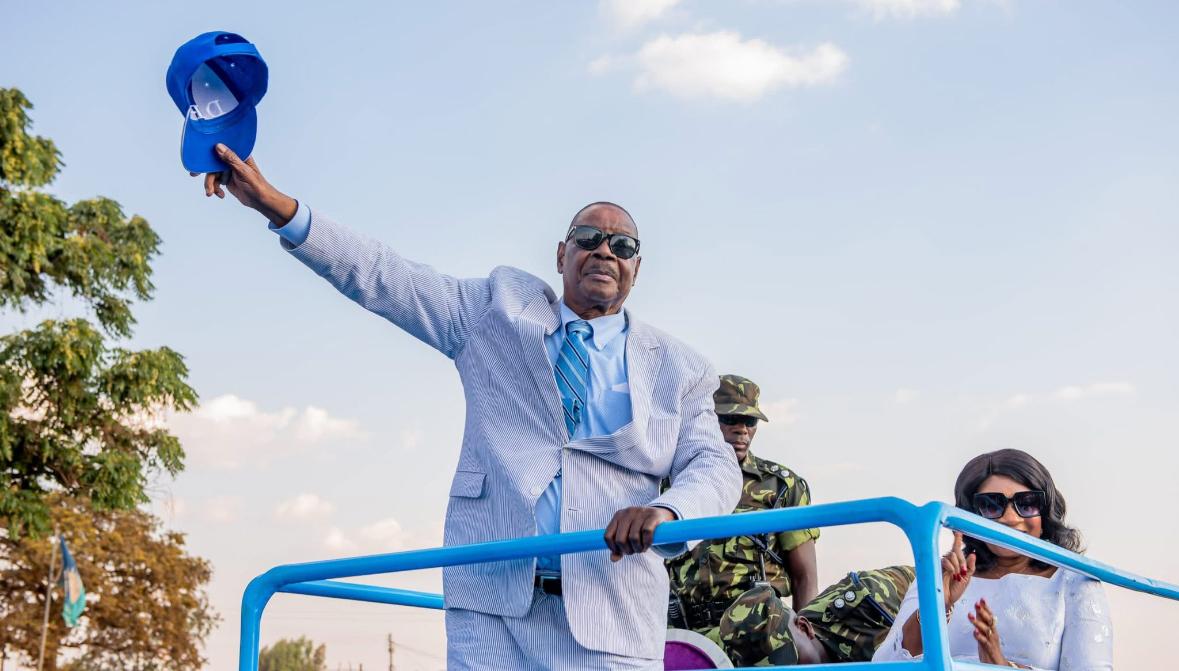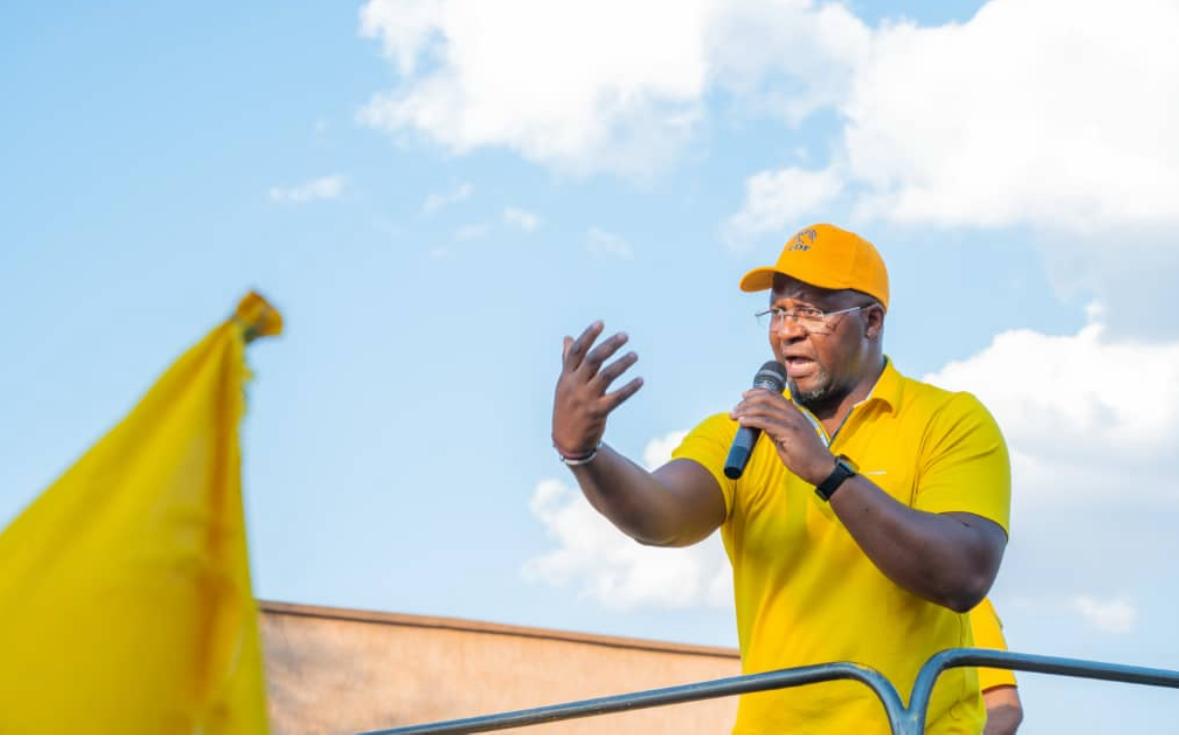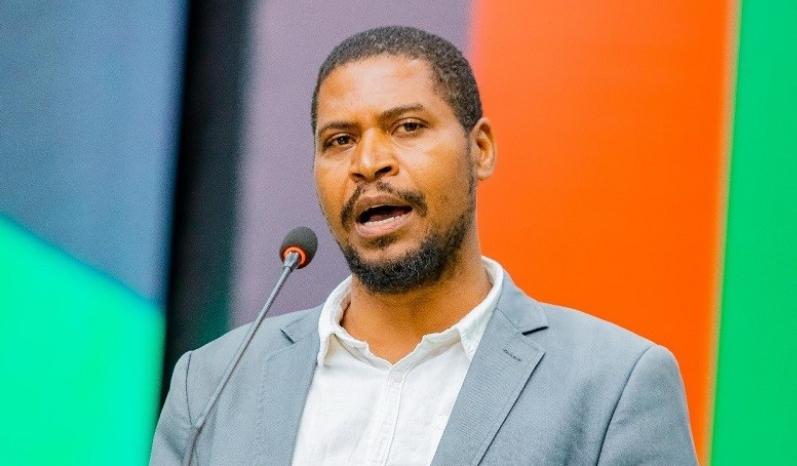

Opposition Alliance for Democracy (Aford) leader Enoch Chihana’s recent comments on political greed lay bare the ugly truths of Malawi’s electoral alliances.
Chihana’s accusation that some parties negotiate in bad faith when forming coalitions before voting takes place is a scandal that deserves our attention. His remarks point to a deeper dysfunction in our politics. It points to where self-interest trumps integrity and promises made before the polls are quickly forgotten after victory.
But first: why are parties scrambling for alliances, including the governing Malawi Congress Party (MCP)?
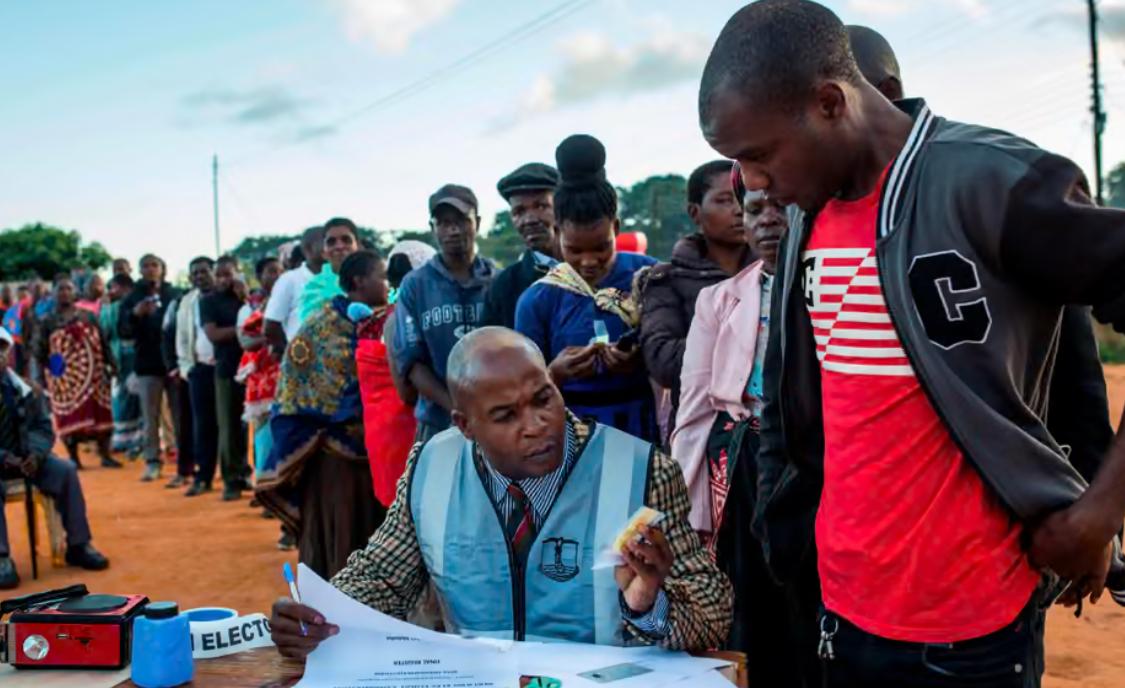
For the first time in Malawi’s history, the September 16 tripartite elections will require a winning presidential candidate to secure more than 50 percent of the vote, not just a simple majority as in the past 30 years. This change stems from a landmark 2019 court decision that overturned flawed election results and led to a fresh poll won by a coalition of former rivals.
That decision reshaped our politics. Alliances are no longer optional but strategic necessities. Since the dawn of multiparty democracy in 1994, parties have formed coalitions to strengthen their hand in both governance and elections. While Aford has never led a government, it once served as a junior partner in President Bakili Muluzi’s United Democratic Front government, led at the time by Enoch Chihana’s father, Chakufwa Chihana.
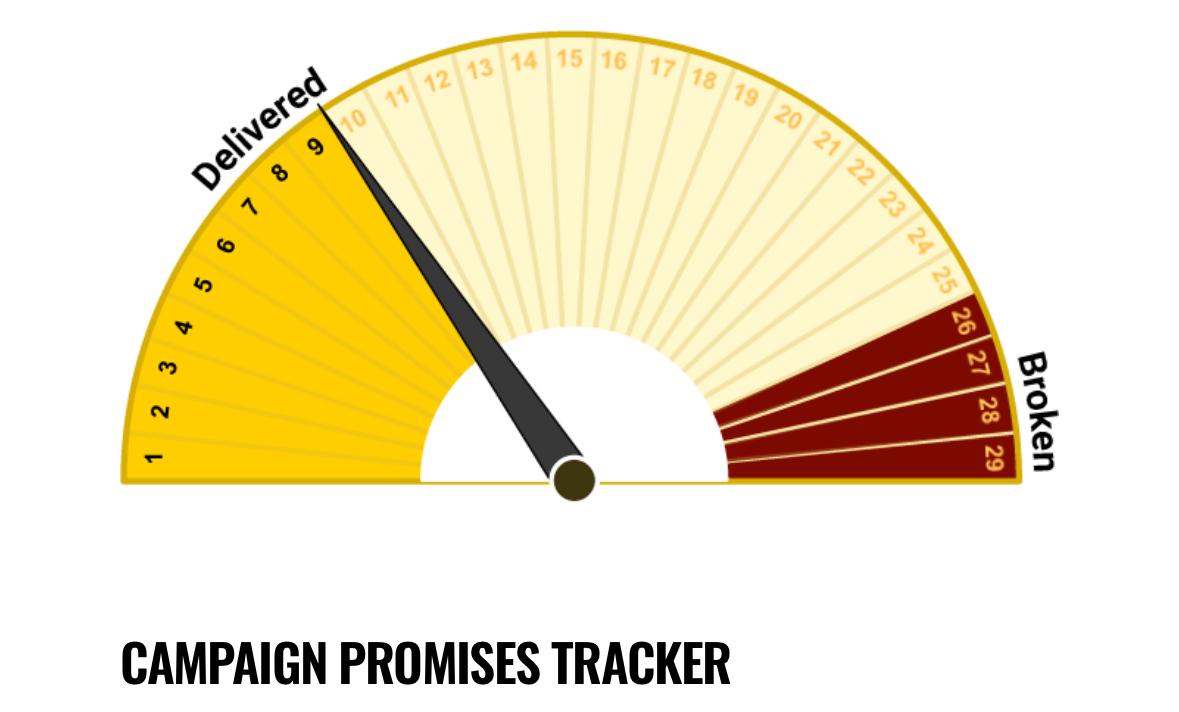
The core of Enoch’s concern is this: parties must honor the agreements they sign before votes are cast. He accuses MCP of breaking its promise to its main partner, UTM’s Saulos Chilima. He claims Chilima was, instead of being appointed Finance Minister, sidelined to Economic Planning.
Trust is at the heart of the matter. Because some parties have a reputation for betrayal, Chihana argues that detailed agreements must be adhered to and agreed well ahead of the elections. Otherwise, he warns, any pre-election deal risks being swept aside the moment power is secured. Once a party wins, Chihana says, just getting someone to answer your call is a miracle.
The Forum agrees: Without good-faith negotiations and transparency, party manifestos will remain empty promises. If we continue on this path, issues we failed to solve in 1994 will still be haunting us after 2025, ultimately harming the very people our leaders were supposed to uplift.
The secrecy surrounding the 2019 Tonse Alliance agreement should teach us something. Even now, conflicting statements from MCP and UTM raise questions about who was meant to lead the alliance into the 2025 elections. Once bitten, twice shy. That is the reason parties seeking working relationships must disclose their terms publicly. Let voters know what’s been agreed viz leadership roles, power-sharing and policies. Accountability begins before the vote, not after.
All this is about trust. About leadership. And about time!