EDITORIAL | The Forum
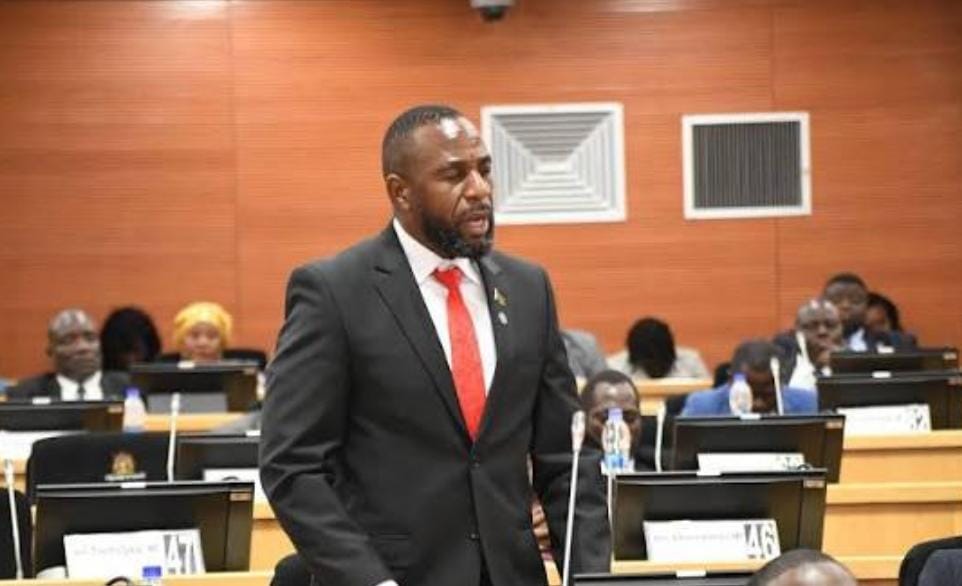
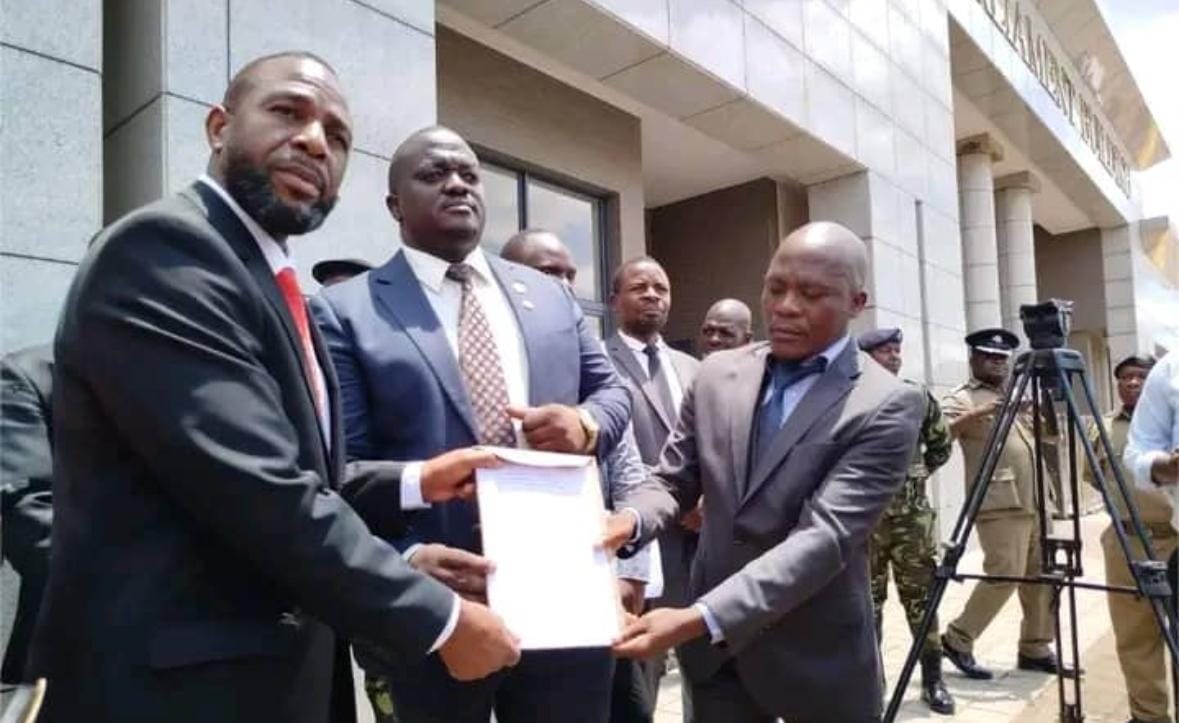
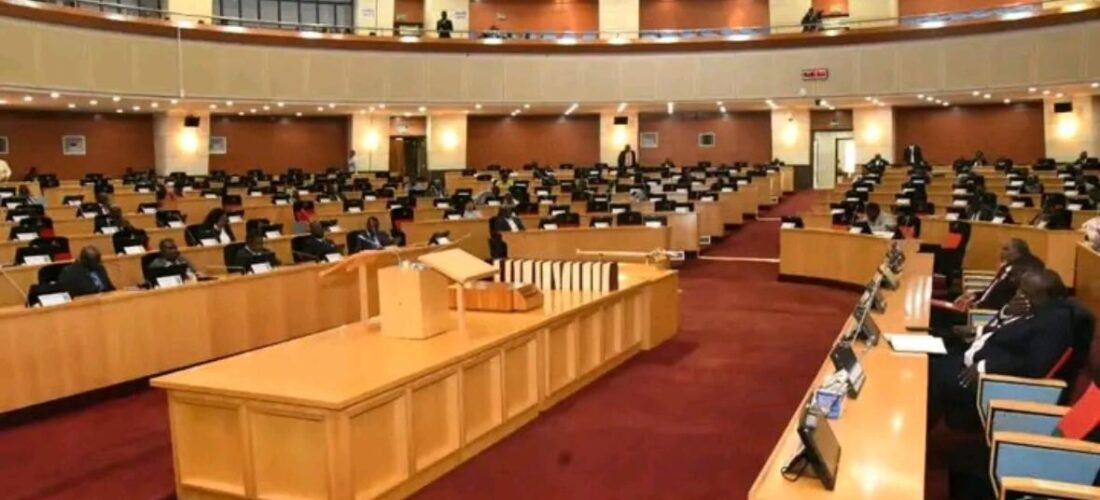
The petition delivered to Parliament calling for indigenous languages to be used in parliamentary debates touches on an issue many Malawians have quietly wrestled with for years. Lawmakers are, after all, a sample of the people they represent. We know the everyday struggles citizens face in fully grasping English. We see those same struggles reflected on the parliamentary floor, where even elected officials often labour through a language that is not their own. It’s no surprise, then, that many ask: Why not allow MPs to debate in their mother tongues?
On the surface, the argument is both fair and compelling. Indigenous languages carry culture, identity, and memory. They foster clarity and deepen connection. The petitioners from CDEDI and the Lost History Foundation make this point eloquently and remind us that the Constitution protects cultural development, equality, and the right to use one’s language.
But recognising the problem and solving it are two very different things.
South Africa is often cited as the regional success story of multilingual democracy. It’s true that their Parliament manages to conduct debates in several official languages with relative ease. But what we rarely acknowledge is the price tag of that success. South Africa invested in interpreters, training, technology, infrastructure, and policy coherence. Multilingualism works there because the state made long-term, deliberate commitments to fund and maintain it.
Malawi, by contrast, has many pressing issues competing for limited resources: collapsing infrastructure, underfunded schools, struggling hospitals, food insecurity, and a governance system still trying to find its feet. Multilingual parliamentary debate is not a trivial matter that requires investment we have not yet made.
If Malawi is to follow this path, it must do so with clear eyes. Without serious investment, the idea risks becoming yet another well-intentioned reform that collapses under its own weight.
This is not to dismiss the petition but to force us to confront an uncomfortable truth: our democracy still excludes many Malawians linguistically, and that exclusion shapes everything from civic participation to policy understanding.
But the timing and capacity questions can’t be ignored. Malawi must decide whether it is ready to elevate language reform from aspiration to priority. If we consider it essential to deepening democracy (and there is a strong case that it is) then we must be willing to invest accordingly.
For now, we can hope that this petition sparks a broader national conversation, one driven not by sentiment alone but by practical commitment. Malawi may learn, in due course, that addressing language barriers is not a luxury but a democratic necessity.