
EDITORIAL | The Forum
There is a dangerous game being played around the Constituency Development Fund, and it is dressed up as constitutional brilliance.
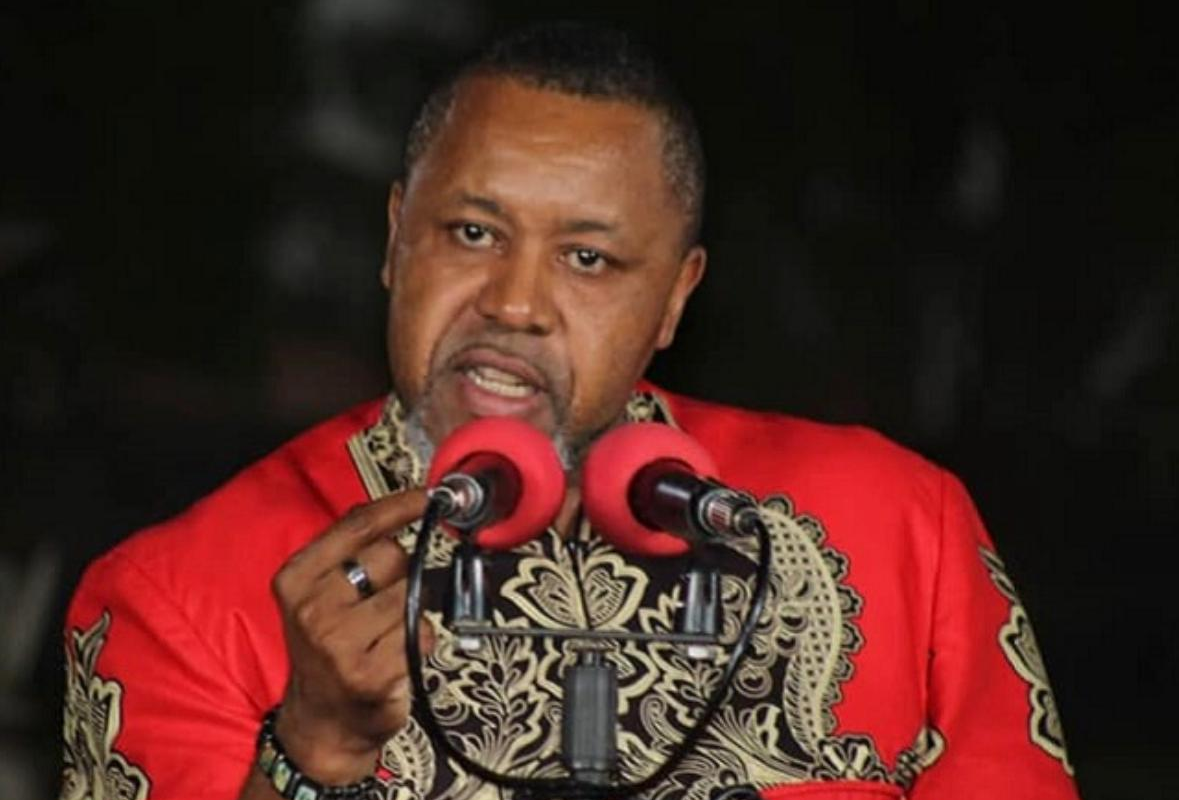
Mzimba South East MP Emmanuel Chilambulanyina Jere appears to be betting on a technicality: that once Parliament passes his CDF amendment a second time, the President will have no choice but to assent, lest the country slide into a constitutional crisis. It is maneuvering hidden as reform, and it deserves to be called out.
Yes, the Constitution provides a 21-day window for presidential assent. Yes, it allows Parliament to reconsider a Bill sent back by the President. But nowhere does it say the Head of State must surrender judgment, principle, or constitutional responsibility simply because MPs decide to flex their numerical muscle a second time. Constitutional order is not sustained by traps and theatrics. It is preserved by restraint.
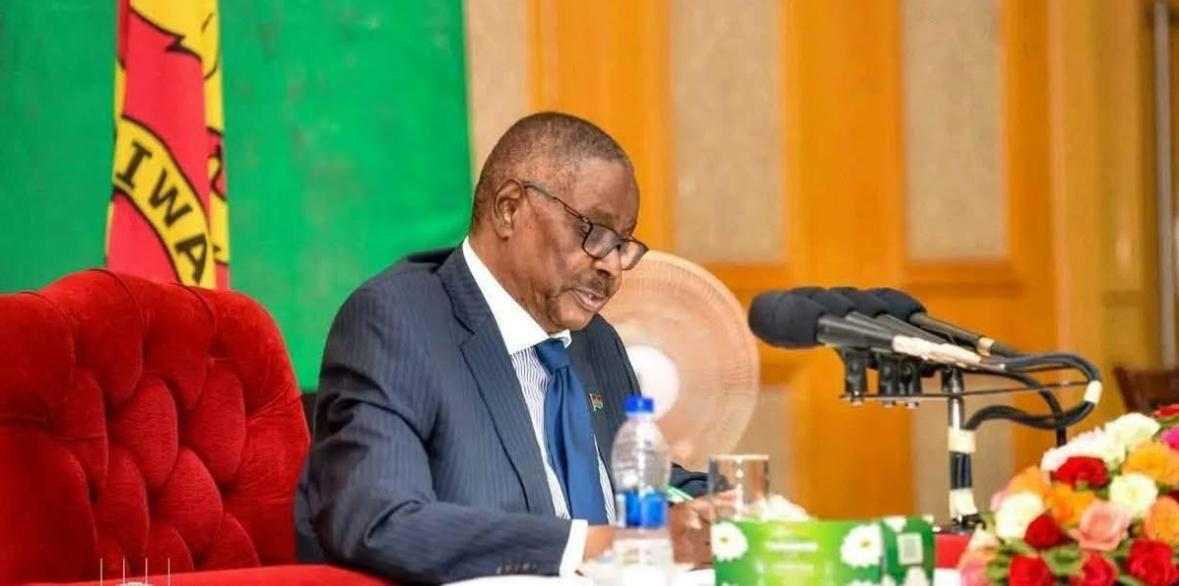
President Peter Mutharika, himself a constitutional law scholar, understood exactly what was before him when he withheld assent to the CDF Constitution (Amendment) Bill No. 2 of 2025. His decision was not impulsive, political, or obstructionist. It was deliberate. It was reasoned. And more importantly, it was followed by action.
Rather than plunge the country into uncertainty, the President directed the Ministers of Justice and Finance to do what responsible leadership looks like: fix the problem without breaking the Constitution. Draft guidelines. Tighten management. Protect accountability. Keep development moving.
Justice Minister Charles Mhango’s response shows where the Executive stands. The directive is being implemented. A work plan is in place. Deliverables have been mapped out. This is governance, not doing things for personal benefit.
Contrast that with Jere’s posture. His insistence that the President will “just assent” the second time around reduces constitutional safeguards to a procedural inconvenience. It treats presidential assent as a rubber stamp yet it is designed to be a check against proposed bad law.
Civil society saw through this early. The proposed amendment was widely criticised for attempting to claw back executive authority for MPs that the High Court had already ruled unconstitutional. Legislators cannot be lawmakers in Parliament in the morning and de facto project managers in councils in the afternoon. That is not decentralisation. It is a conflict of interest.
The argument that increasing CDF to MWK5 billion per constituency justifies bending constitutional principles is especially hollow. Bigger money demands stronger guardrails, not weaker ones. If anything, it raises the stakes for abuse, politicisation, and capture.
This is why the President’s refusal to assent matters. It signals that constitutional limits still mean something. That court rulings still bind. That reform cannot be built on defiance.
Jere and his allies should pause and reflect. Pushing the same Bill back to the State House in the hope of cornering the President is not statesmanship. It is legislative bullying. And it risks turning a legitimate development fund into a constitutional crisis.
The President has offered a way forward: guidelines that protect the CDF, respect the courts, and avoid institutional collision. That is the grown-up option.
Listen up, Jere. Stand down. Malawi needs less theatre and more constitutional sobriety to get the country moving in the desired direction.
—
Also Read: CDF showdown: Mhango falls in line as Jere dares Mutharika over bill
Related: Jere tables CDF Amendment Bill to strengthen MPs’ role in local development
Related: Malawi NGOs close ranks to stop MPs’ ‘overreach’ on CDF