EDITORIAL | The Forum
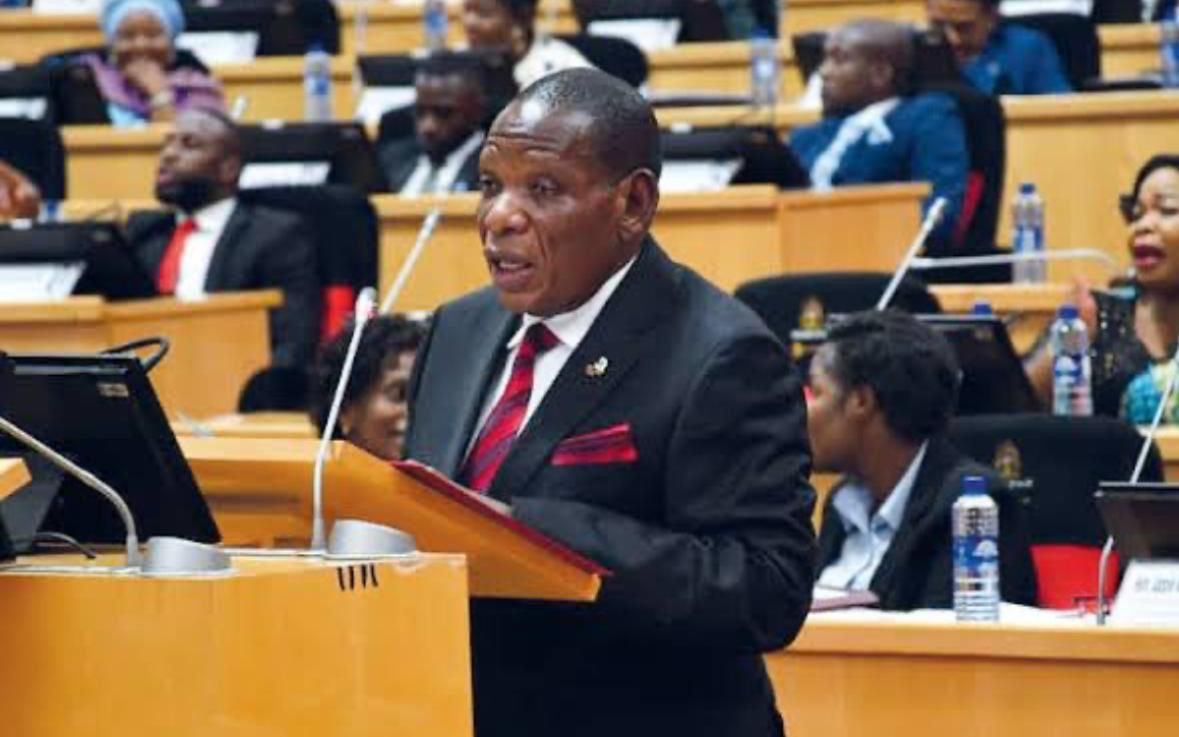
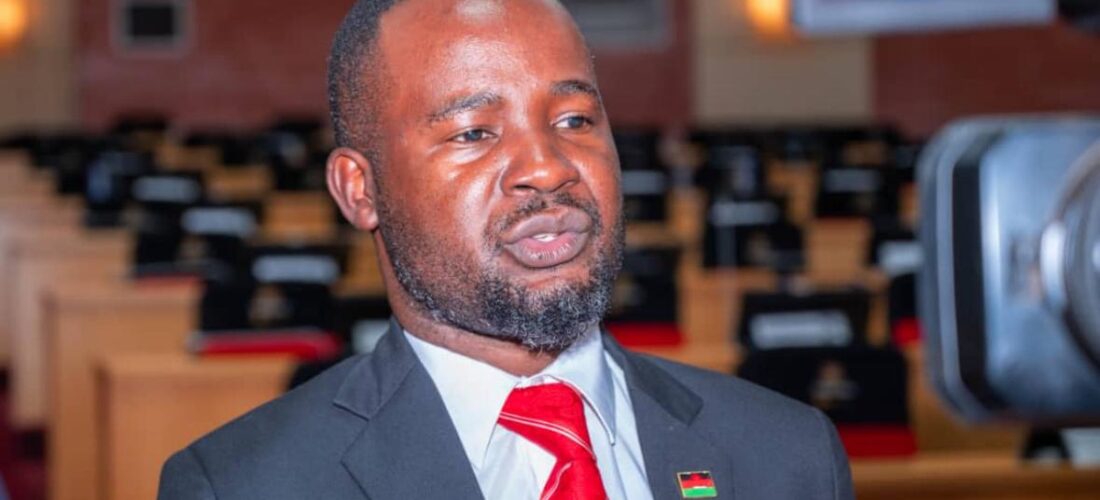
Sosten Gwengwe did not just walk into a new job this past week; he walked straight into a fiscal fire. As the newly elected Chairperson of Parliament’s Budget and Finance Committee, he inherits a country whose books are bleeding. And despite his calm assurances about discipline and oversight, the political realities awaiting him are far less forgiving.
Gwengwe has pledged to strengthen fiscal oversight, enforce discipline, and ensure that ministries, departments and agencies live within approved budget lines. It is a promise Malawi desperately needs kept. He says the committee will examine the budget with a sharper eye, track implementation more rigorously, and hold controlling officers to account. He frames it as a return to basics: a budget that makes sense, that drives the economy forward, and that works for Malawians.
His confidence is rooted in experience. As former Minister of Trade and later Finance under the Malawi Congress Party (MCP) administration, Gwengwe insists that fiscal discipline is not a theory but a practice. He still invokes his record – just a K10 million budget overrun during his tenure – as proof that the government can live within its means. It is a fair point. But the test before him now is far more complex.
Because even before he settles into his chair, Finance Minister Joseph Mwanamvekha has delivered a blistering rebuke straight at Gwengwe’s former administration. Presenting the mid-year budget review, Mwanamvekha accused the MCP government of mismanaging the first half of the 2025/26 fiscal year. The numbers he laid out were not gentle, they were brutal.
Also Read: Malawi budget revision pushes expenditure to K8.589 trillion as deficit widens
Recurrent expenditure exceeded allocations by K281.8 billion, driven by higher wages, pensions, interest payments and runaway operational costs. Generic goods and services consumed K489.7 billion (71 percent of the year’s allocation by mid-year alone). Key offenders included State Residences, the Office of the President and Cabinet, the Office of the Vice President, the Ministry of Lands and the National Registration Bureau. Wages and salaries overshot targets by 19 percent, fuelled by mass recruitments and sharp increases in chiefs’ honoraria.
The revenue picture offered no comfort. Domestic revenue weakened as imports fell in the wake of foreign exchange shortages. Grants underperformed by 43 percent. Non-tax revenue was the only bright spot. By the end of the first half, expenditure overruns hit K175.7 billion. And the fiscal deficit widened to K2.037 trillion, 32.8 percent higher than projected.
That is the context Gwengwe must now operate in. The committee he leads has the authority to interrogate government proposals, stress-test fiscal assumptions, and push for alternatives when necessary. It can expose recklessness. It can defend the public purse. But whether it will do these things depends heavily on the will of its chair.
And that is the political challenge Gwengwe cannot ignore. His committee is not composed solely of MCP lawmakers. It includes independents and opposition members who don’t to carry water for any administration, past or present. That diversity strengthens the committee’s credibility. It also means Gwengwe cannot rely on partisan shields. When he speaks, he speaks for everyone in the room. That requires honesty, not comfort.
If he wants Malawians to take him seriously, he must be willing to tell inconvenient truths, including about the party he once served. Oversight can’t be selective. Accountability can’t be partisan. And credibility, once lost, can’t be restored easily.
Ultimately, the country doesn’t need rhetoric from Gwengwe. It needs actions that reflect integrity and realism. It needs a Budget and Finance Committee that stands up to waste, rejects political pressure, and insists on spending that aligns with the nation’s priorities.
Good governance is not an abstract ideal. It’s the daily work of putting the public first, defending their money, and creating conditions for people to thrive. If Gwengwe can deliver that – not just words, but results – then perhaps this appointment will mark the beginning of a new chapter of fiscal responsibility.
If he can’t, Malawi’s deficit will not be the only thing widening. So will the distance between the people and the leaders who claim to serve them.