OPINION | GUEST ESSAY | Bertrand Banda
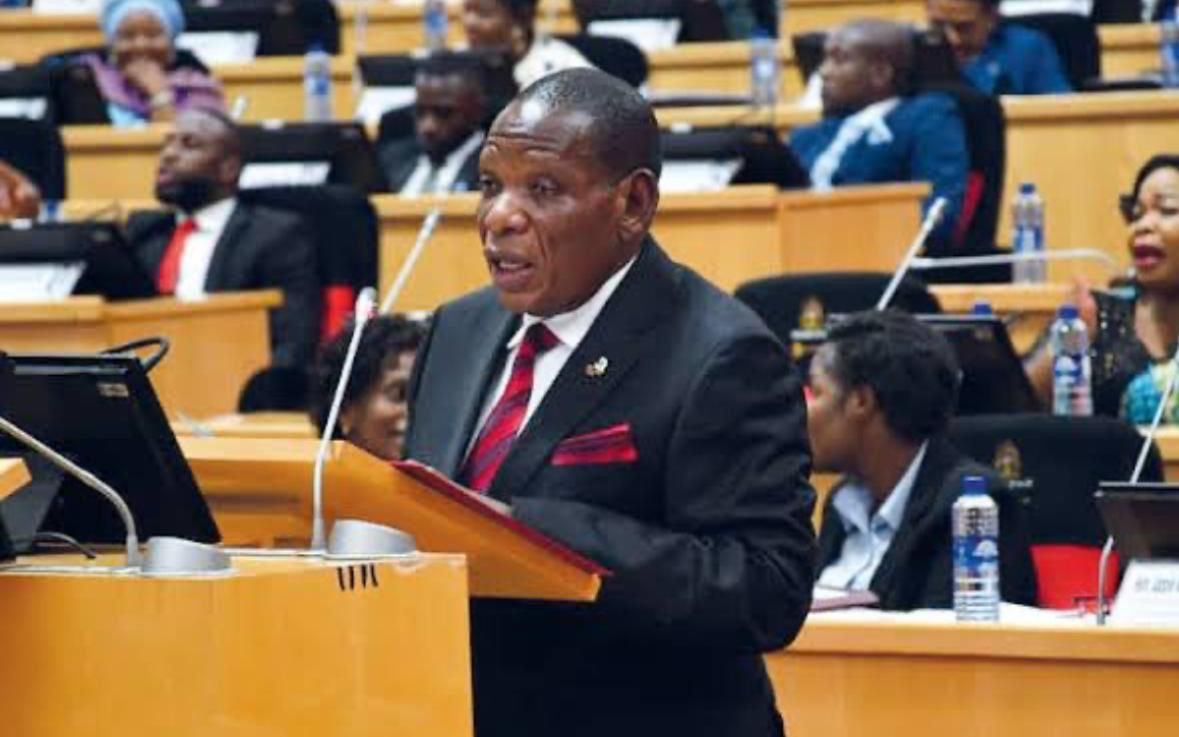
I have followed this parliamentary session closely, and for the first time in a long while, I find myself genuinely impressed by a number of lawmakers. Take UTM spokesperson Felix Njawala. He has started his term on a tone many Malawians have been yearning for: constructive criticism. Not the endless, knee-jerk political point-scoring that has defined our politics for decades, but thoughtful engagement rooted in solutions.
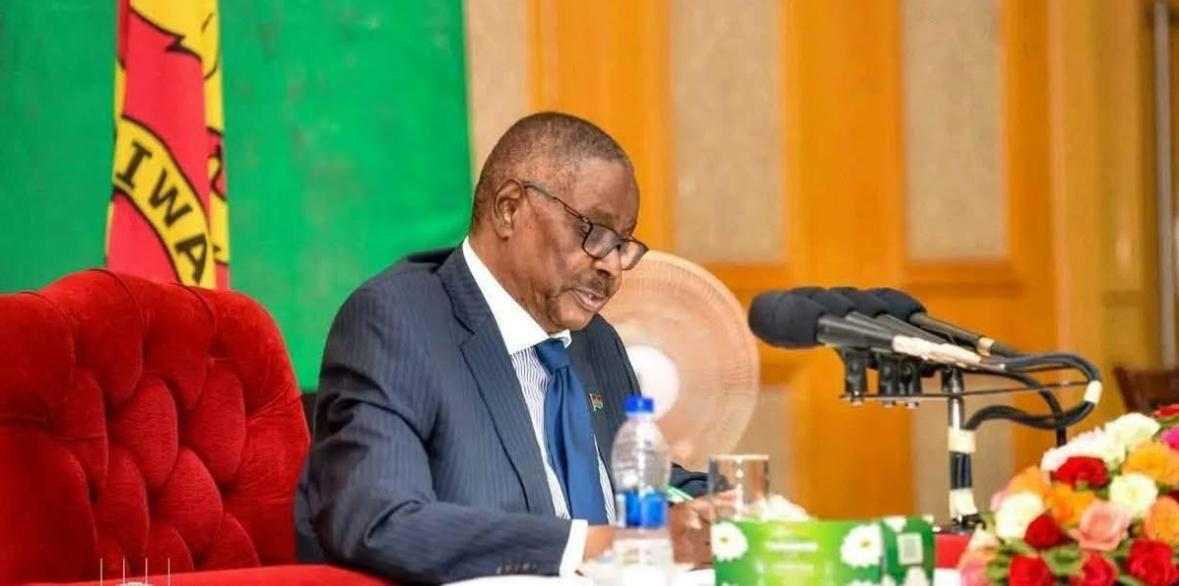
Some in his own party might roll their eyes at his posture, but I think he is exactly where he needs to be. The new Peter Mutharika administration has barely been in office for two months. There will be plenty of time to take the government to task. For now, giving an honest chance to a new administration is not a weakness. It is maturity.
Former Speaker Catherine Gotani Hara is another leader who has stood out to me. She has done something many politicians are afraid to do: she urged President Mutharika to preserve and build on successful MCP-era development programs instead of discarding them for political convenience. She is right. One of Malawi’s biggest problems is our chronic failure to maintain continuity. Every administration wants to start from scratch, and just when implementation begins, it is already election season. Nothing gets finished. Nothing scales. Nothing lasts.
Look at Tanzania. After their late former president took office, he delivered more in a short period than many of his predecessors combined. Why? Because he picked up where others left off. He didn’t toss out programs simply because they weren’t “his.” He dusted them off, implemented them with laser focus, and transformed his country’s trajectory. Malawi could learn volumes from this.
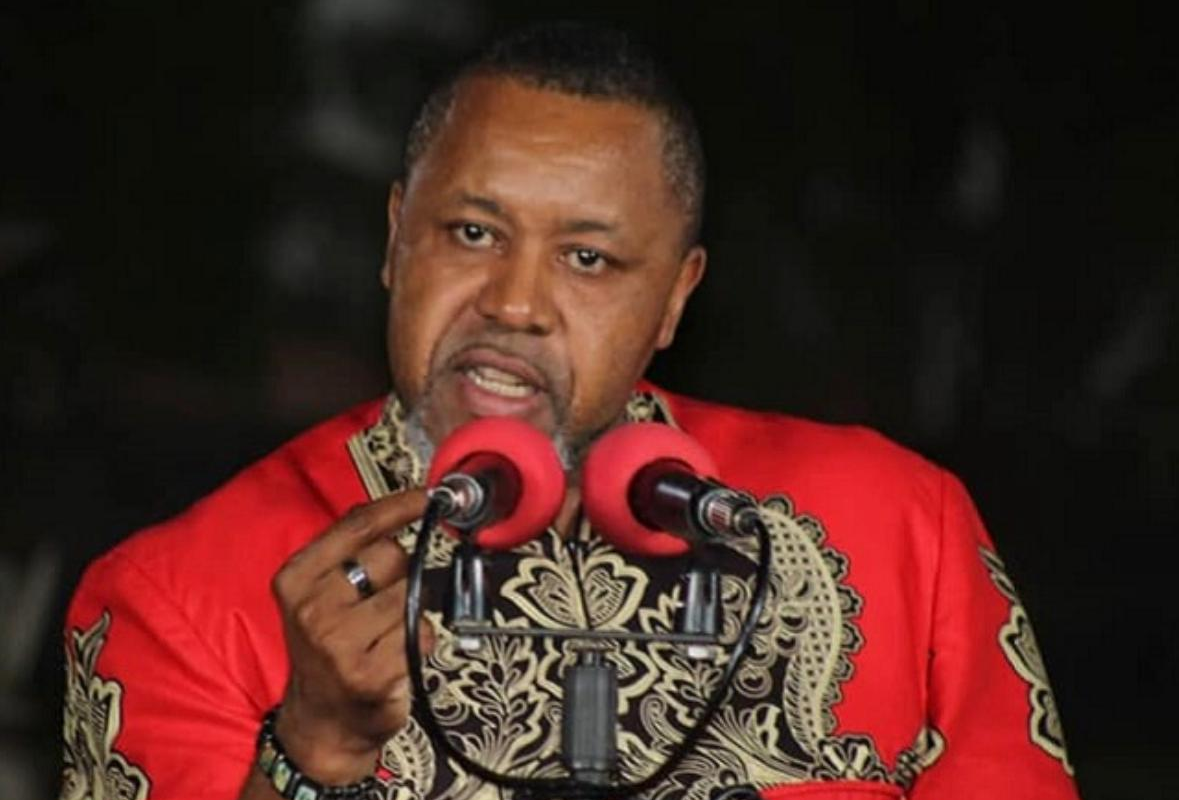
Hara’s call for meaningful, solution-driven debate in Parliament also struck home. Malawians are running out of patience. They want answers. They want direction. And she knows her own party, the Malawi Congress Party, failed to reform the civil service when it held power. Vice-President Saulos Chilima authored an ambitious civil service reform blueprint, yet it gathered dust under President Lazarus Chakwera. Only Chakwera can explain why he never took the reforms seriously.
Hara also praised the reintroduced Farm Input Subsidy Programme and I agree with her on this point as well. FISP can work if we fix it at the foundation. Our soils are degraded after years of dependence on chemical fertilizer. Training farmers to produce safe, effective organic manure could significantly boost yields for both maize and tobacco growers. This is how you turn a subsidy from a political tool into a productive engine.
What also deserves recognition is the new DPP administration’s commitment to allocate MWK5 billion annually to the Constituency Development Fund and MWK200 million toward youth and women’s loans. Hara called the revamped CDF a “game-changer,” and she’s right. With proper oversight, the fund can finance school blocks, rural roads, fishponds, boreholes and production initiatives. As she rightly pointed out, 90% of our national resources go toward consumption. Until we adopt policies that deliberately channel spending toward production, Malawi will remain stuck.
My hope is that as Parliament heads toward adjournment in the next two weeks, more MPs, especially on the opposition benches, will emulate the courage shown by colleagues like Njawala and Hara.
Malawians want positive change not tomorrow or next year, but yesterday. They want a politics that delivers, not a politics that destroys. And unless we learn to preserve what works, fix what doesn’t, and build beyond party lines, we will keep circling the same drain.
It is time our leaders rise to the moment. The country is waiting.