
Groups that promote women empowerment in Malawi say female candidates in the forthcoming elections continue to face numerous barriers, including threats of violence and undemocratic tendencies with political parties.
Several high profile women have lost in party primary elections leaving them to either abandon their dreams of making it to parliament or attempt to do so as independent candidates.
Jane Ansah, a former Chairperson of the Malawi Electoral Commission, was defeated in Democratic Progressive Party (DPP) primary elections in her constituency in Ntcheu while former first lady Callister Mutharika and a sitting Cabinet Minister, Vera Kamtukule, were also defeated in primary elections in their respective constituencies in Lilongwe where they both stood on the Malawi Congress Party (MCP) ticket.
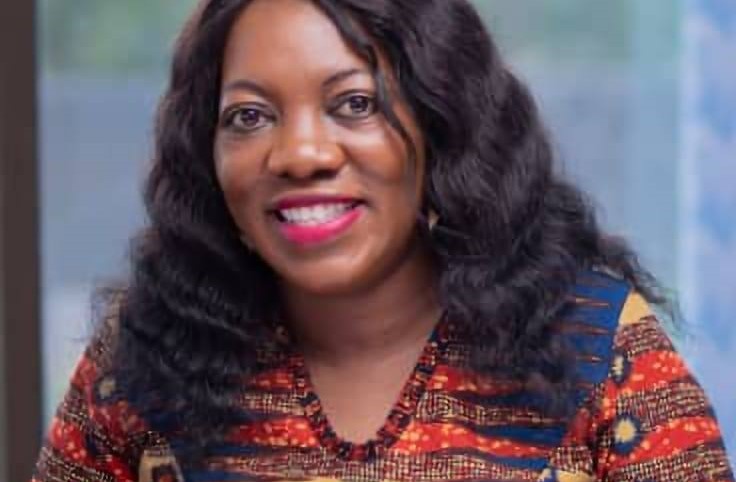
NGO Gender Coordination Network (NGO-GCN) chairperson Maggie Kathewera Banda said it was worrying to see so many high profile and capable women failing to make it in primary elections.
She said political parties have systems and procedures that favour male candidates while putting women at a disadvantage.
“Most political parties do not have transparent systems for conducting primary elections with proper information on constituency structures, delegates and related fees because these are some of the issues that give men advantage,” she said.
Governing Malawi Congress Party (MCP) and opposition Democratic Progressive Party (DPP) are conducting primary elections to identify candidates for parliamentary and local government elections scheduled for September this year.
While numbers are still being computed, preliminary results show older male aspirants are dominating those clinching parliamentary and local government seats nominations across major parties.
The Malawi Gender Equality Act says there must be 60-40 ratio in gender representation in all public positions, but this has never been achieved in Malawi parliament where the highest percentage representation of women was 23, achieved in 2019 when 45 women made it to the 193-member parliament.
Parliamentary seats have since been increased to 229, starting with the September polls.


