
By Patrick Mwanza
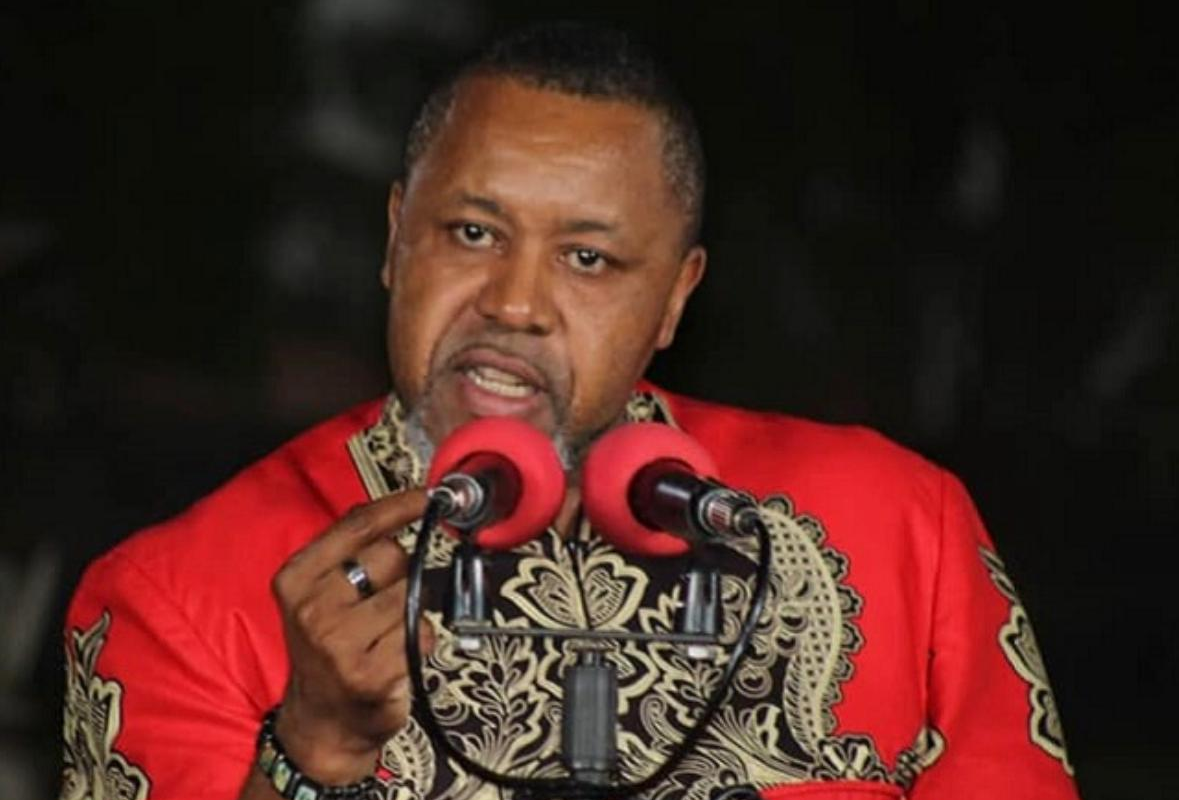
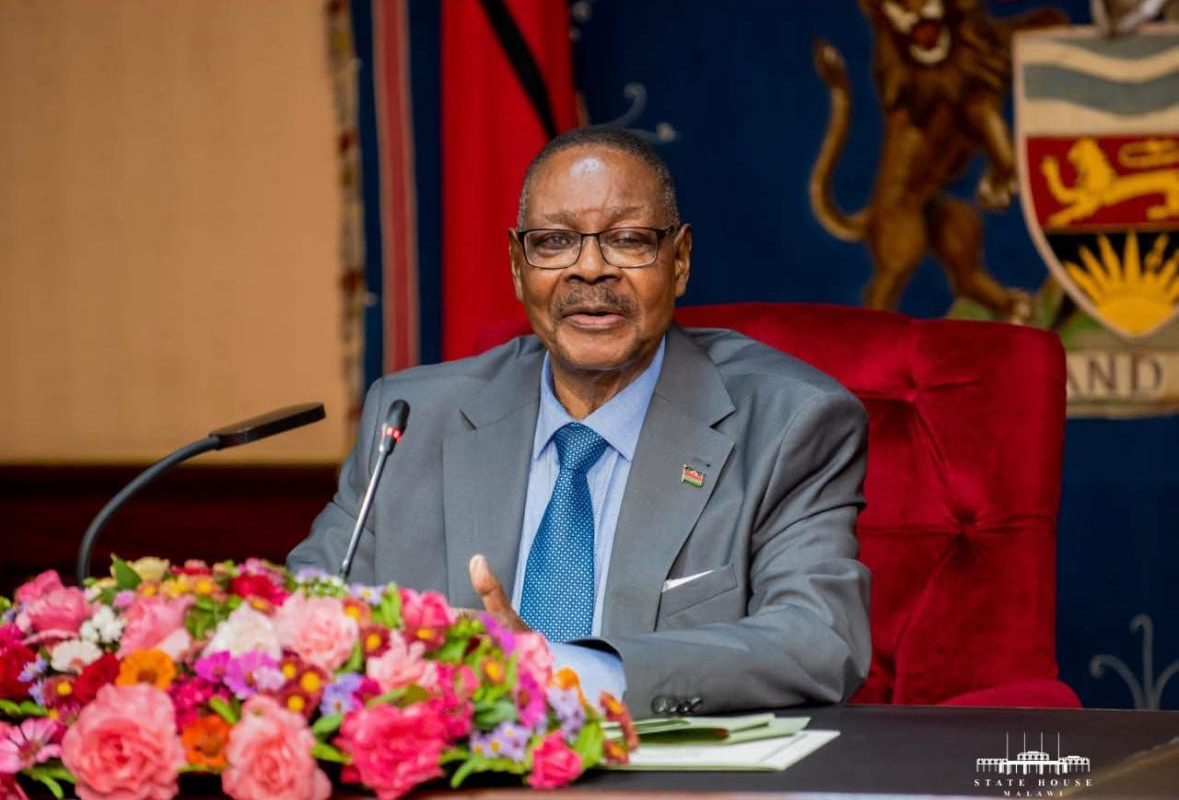
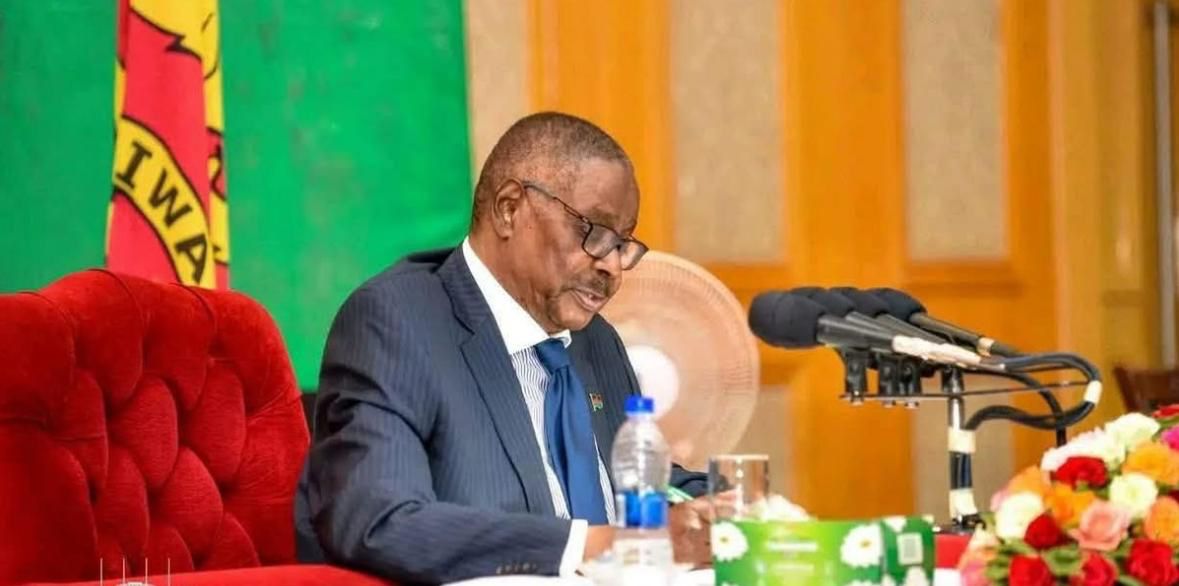
Malawi’s Vice President Michael Usi has shifted from being a political footnote to dominating the headlines in spectacular fashion as the September 16 general elections draw near.
If this campaign were a mixed martial arts fight, which is a brutal contest where fighters strike, grapple and seek a knockout, Usi has proved a formidable combatant. With precision strikes, he has dismantled the Malawi Congress Party (MCP) government’s claims of credibility in fighting corruption.
His fiercest blows are allegations of bribes and kickbacks he says have strangled development in a nation of 22 million, where, according to the World Bank, most people survive on just $2.15 a day, below the poverty line.
To silence doubters about his claims of corruption in government, Usi doesn’t hesitate to drive the point home: “Trust me when I say these things. I am the vice president of this country.”
Usi rose to the vice presidency after the death of UTM leader Saulos Chilima in a plane crash last June. The UTM was part of the Tonse Alliance that swept President Lazarus Chakwera into office in the 2020 court-ordered rerun election. But Usi has since broken away, founding his own party, Odya Zake Alibe Mulandu, and is now one of 17 presidential hopefuls, including his own boss, President Chakwera.
Predictably, Usi’s bare-knuckled approach has drawn fire. MCP spokesperson Jessie Kabwila branded Usi “ungrateful” after he was chosen as vice president and warned that he himself could face corruption probes, citing a surge in his party vehicles which didn’t match his remuneration. Usi shot back with defiance, shouting at a political rally: “Bring it on.” He points to his party’s name which is about self-reliance and clean hands: success through personal resources, not dirty money.
Usi even alleges that in retaliation, one of his official vehicles has been withdrawn, a claim yet to be independently verified.
Still, the MCP government enters this fight with a weakened guard. President Chakwera squandered early goodwill on corruption reforms, most glaringly when Anti-Corruption Bureau director Martha Chizuma was arrested after a leaked audio revealed systemic rot. Instead of shielding her, the president accused Chizuma of misconduct. When her term expired, she did not seek renewal and was later hired by the World Bank.
Enter Information Minister Moses Kunkuyu with what can be seen as a tactical move in the government’s face off with Usi. Instead of outright denial, the minister has been cautious and sidestepped Usi’s fierce punches and reframed the narrative. He admitted corruption exists in government and claimed the presidency, both Chakwera and Usi, was united against it.
“The presidency is now speaking with one voice,” said Kunkuyu, speaking to reporters. He urged Malawians to “put our hands together” to tackle corruption.
Whether Kunkuyu’s counterpunch can blunt Usi’s momentum is another matter. With a month left on the clock — and Usi declaring himself open to alliances with any people-centered party — the fight for Malawi’s State House is only intensifying. In this political cage match, it’s certain that one blow can change everything.