By The Forum
“When I travel out of this country, be it going to America or to the UK for my music endeavors, there are so many youths that want visas to run away from Malawi.”
That was Malawian musician Patience Namadingo, speaking directly to President Lazarus Chakwera during a youth-focused State of the Nation Address earlier this year.
At first, some may have dismissed the comments as exaggerated but recent data proves they were not.
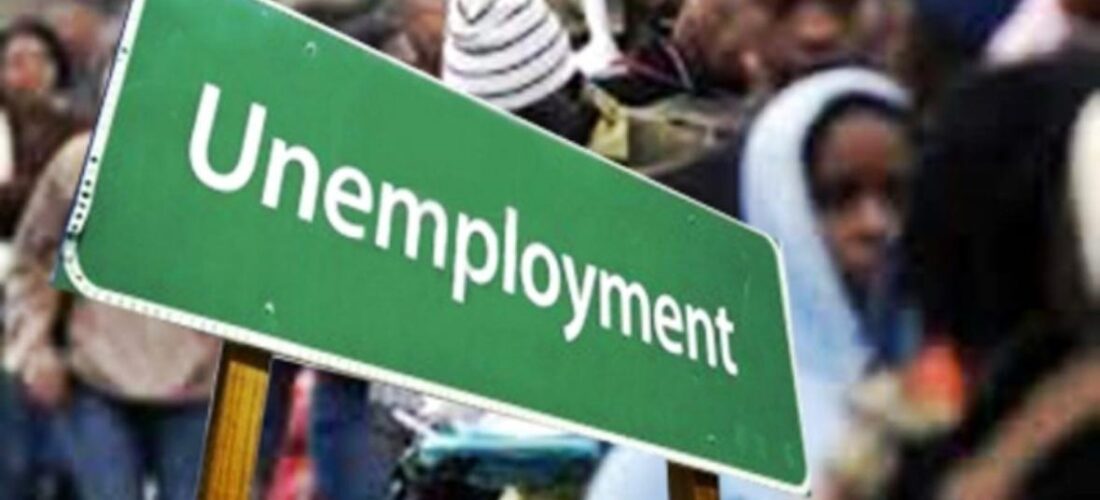
A new Afrobarometer* survey reveals that half of Malawians aged 18 to 35 would leave the country if given the chance. The top reason? Joblessness.
Malawi’s population stands at nearly 22 million, with around 80% under the age of 35, according to the World Bank. Among the youth, 53% are unemployed but actively looking for work, while only 3% work full-time and 5% part-time, Afrobarometer reports.
Even more telling, 61% of young Malawians expressed interest in entrepreneurship, yet few have access to startup capital. The challenge? Financial institutions demand collateral they simply don’t have.
“I can’t be proud to live in Malawi where every youth wants to run away,” Namadingo said, urging young people during the February event to be bold in their questions to the president.
The 34-year-old singer didn’t stop there. He also criticized governance and corruption, questioning how some elected officials appear to accumulate wealth rapidly once in office. Their visible lifestyles, Namadingo said, don’t match their official salaries, leading many struggling youth to view politics not as public service, but as a fast track to riches.
With campaigns heating up for the September 16 tripartite elections, Malawians will soon cast their votes for president, members of parliament, and local government councillors.
Namadingo left President Chakwera with a pointed reminder: when asked about his accomplishments during his five-year term, the singer said, “Your Excellency, you should be able to show and not explain.”
—-
*Afrobarometer is a pan-African, non-partisan survey research network that measures public attitudes on democracy, governance and economic conditions in African countries.