There’s a method to what may seem like madness when political parties obsess over forming alliances ahead of Malawi’s elections even though such alliances aren’t a requirement.
Appearing on Times Radio’s Kulinji? program Tuesday, political scientist Dr. Boniface Dulani urged parties to shift their focus from power-sharing negotiations to how they plan to address the country’s challenges.
“Parties should focus on what they will do to help Malawians, “ Dulani said, adding that it should be less about where they’ll land on the ticket.
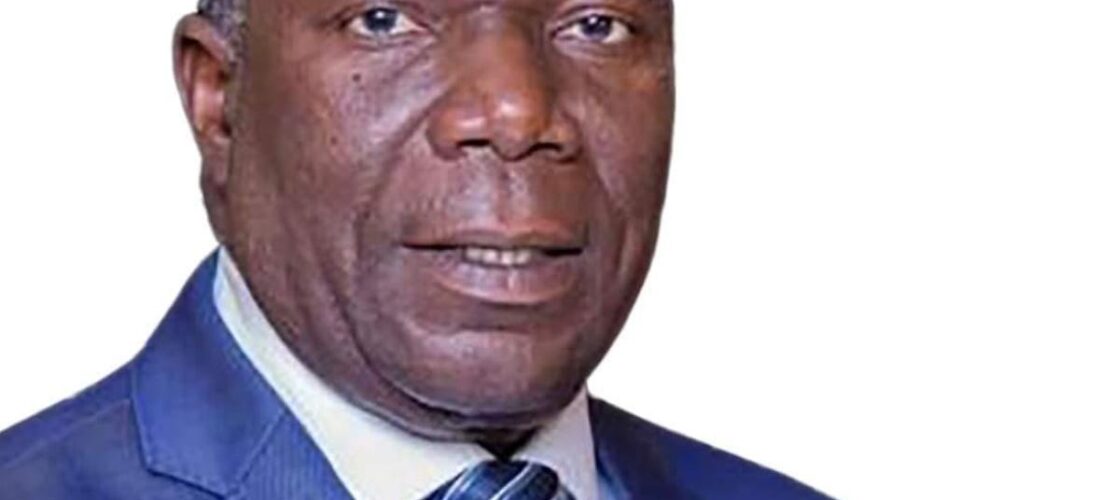
Responding on the same program, Alliance for Democracy (Aford) president Enoch Chihana defended pre-election power-sharing talks but took aim at how some parties behave once in power.
“They don’t answer phone calls after winning,” Chihana said. “It’s important to agree on key issues and positions beforehand.”
He described some current coalition talks as being held in bad faith and cautioned against political greed. “People shouldn’t be greedy when they sit down to eat,” he said, urging parties to honor agreements. Chihana cited the Tonse Alliance as an example of betrayal, claiming UTM’s Saulosi Chilima was promised the Finance Ministry but was instead given Economic Planning.
Malawians go to the polls on September 16 for tripartite elections to choose a president, members of Parliament, and local government officials. At least 23 political parties — including MCP, UTM, DPP, UDF, PP, and Aford — are expected to participate, with many exploring alliances under the newly introduced 50-percent-plus-one vote requirement for presidential victory.
Despite Aford’s low numbers in the latest Afrobarometer survey, Chihana dismissed the results. “We’ve been around for over 30 years. There’s no way we only have one percent support,” he said, adding that internal party polling tells a different story.
He also made it clear that Aford would not enter any alliance that diminishes its influence.