By Patrick Mwanza
There are 23 registered political parties vying for the presidency, legislative or local council seats in the upcoming elections in September, according to the latest count by the Malawi Electoral Commission (MEC).
MEC spokesperson Sangwani Mwafulirwa disclosed the figure during a recent interview on Times television program Hot Current. It’s a far cry from 1994, when Malawians first voted in a multiparty system, and there were only eight political parties. Out of those eight, three dominated the political landscape, each in one of the country’s three regions.
The United Democratic Front (UDF), strong in the Southern Region, won the elections, toppling the Malawi Congress Party (MCP) from a throne it had occupied for three decades under the single-party regime since independence from Britain in 1964. AFORD came third but swept all the seats in the North, even managing to win three in the Central region (two in Kasungu and one in Nkhotakota).
Since then, every five years, Malawians go to the polls, and we’ve seen the rise and fall of various parties. Beyond UDF and MCP, we’ve had others in power, notably the Democratic Progressive Party (DPP) and the People’s Party (PP). The most recent government is a coalition led by MCP and UTM, along with smaller allies.
So, on September 16, 2025, there will be at least 23 political parties contesting — one for every million people, as some might joke – each making its pitch to voters on why it deserves the chance to govern this country.
In fact, the number of political parties in Malawi once exceeded 60, but the number came down to 23 following the enactment of a new law called the Political Parties Act, which introduced stricter registration requirements. Under the new law (2018), all political parties were required to re-register, leading to the current total of 23 officially registered political parties.
Which then raises a serious question: does a country of 23 million people truly need 23 political parties? Or is this proliferation a symptom of disillusionment with how little development we’ve seen over the past 30 years?
While Malawians often express frustration over the pace and quality of national development, in other parts of the continent it’s actually top leaders sounding the alarm. Botswana’s President Duma Boko recently made a scathing critique of his own country’s leadership, despite Botswana’s relative stability and diamond-backed wealth.
“The economy of Botswana is totally on the brink of collapse,” he told a gathering of top government leaders, noting that while the country enjoys “stability and predictability,” it still underperforms. Why?
“Botswana has some of the most educated people — trained at great cost by citizens who are catching hell,” Boko lamented. “Those on the margins of society…they trained you. They sacrificed for your education. You went to the best schools. You owe them. What are you doing for them?”
He challenged his fellow leaders: “When you sit in your office, do you think about these people — creatures of flesh and blood catching hell at the margins of this economy? What do you say about them? Every day, every minute, what are you doing to improve their lot? That’s the question that should engage all of us.”
His conclusion was sobering and honest: “If the economy is not performing, it means the intelligentsia of the country has failed — and failed miserably. We must all admit to this collective failure.”
Where do comparisons between Malawi and Botswana begin and end? One key difference is population size — Malawi’s is about 10 times larger — which some might argue makes it easier to manage Botswana’s affairs.
Boko noted that previously, Botswana’s development, once soaring on the back of diamonds, has likely been derailed by complacency. He also raised an important point about education, making the observation that his country boasts some of the best-educated leaders, yet this isn’t reflected in the current level of development. A similar argument has been made about Malawi — ironically some of Malawi’s top talent has worked in Botswana. Can anyone in Malawi truly argue against that sentiment?
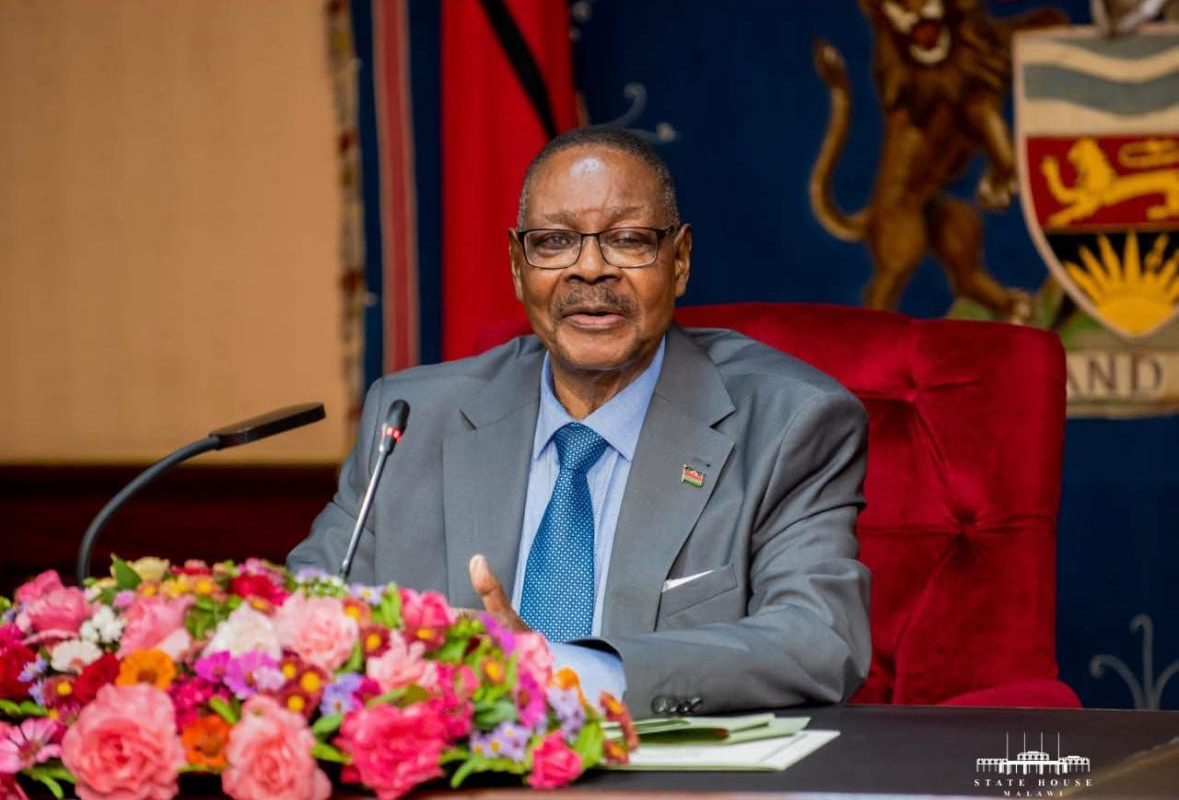
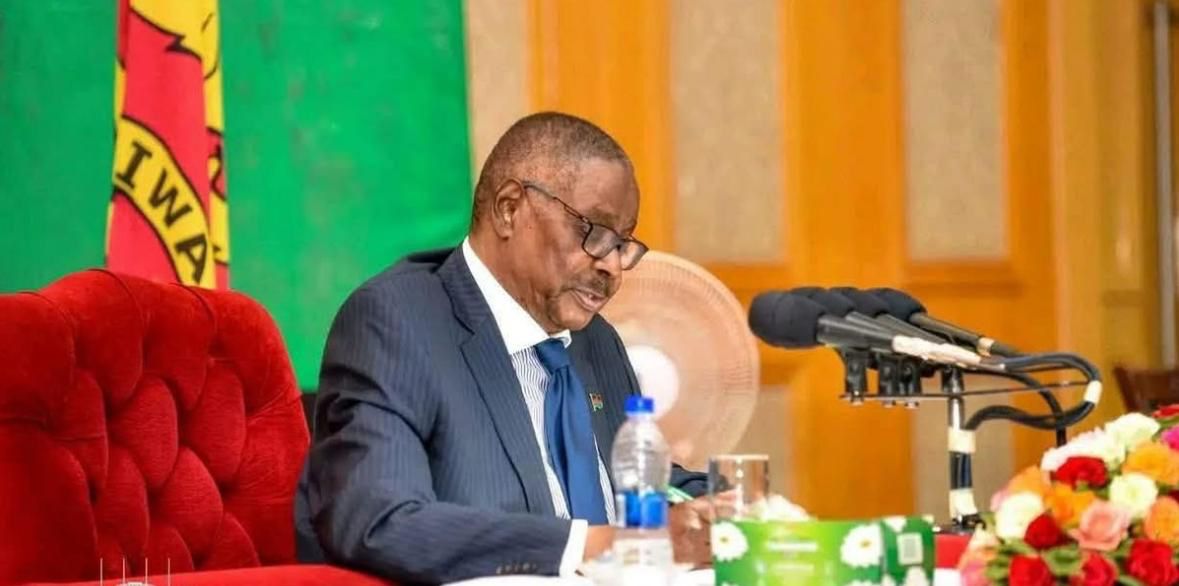
When it comes to Boko’s counterpart — a former religious leader — where is the fire and brimstone from President Lazarus Chakwera’s bully pulpit, especially when it comes to holding himself and fellow leaders accountable?
Upon assuming power, Chakwera and his coalition enjoyed significant goodwill and political capital. Yet, that opportunity was arguably squandered, chiefly in advancing a development agenda that promised zero tolerance for corruption.
One incident that cast serious doubt on his anti-corruption stance was the police arrest of Anti-Corruption Bureau director Martha Chizuma. Her crime? A leaked audio in which she spoke to a confidant about powerful figures undermining her efforts and how “systemic corruption” was obstructing justice. Instead of defending her, the president suggested her remarks could constitute “misconduct.”
Chakwera did find his voice to chastise Chizuma, but where was that same indignation when it came to demanding justice? Instead of bold action throughout his presidency, the public was met largely with silence. When it came to fixing the sputtering economy, were Malawians who expected real change not given more excuses than tangible results?
Now, as Malawians prepare for another round of campaign promises, one question looms large: What will it take to finally unlock Malawi’s potential — and who among the candidates is truly capable of making that happen?
The clock is ticking.