By Edwin Mauluka
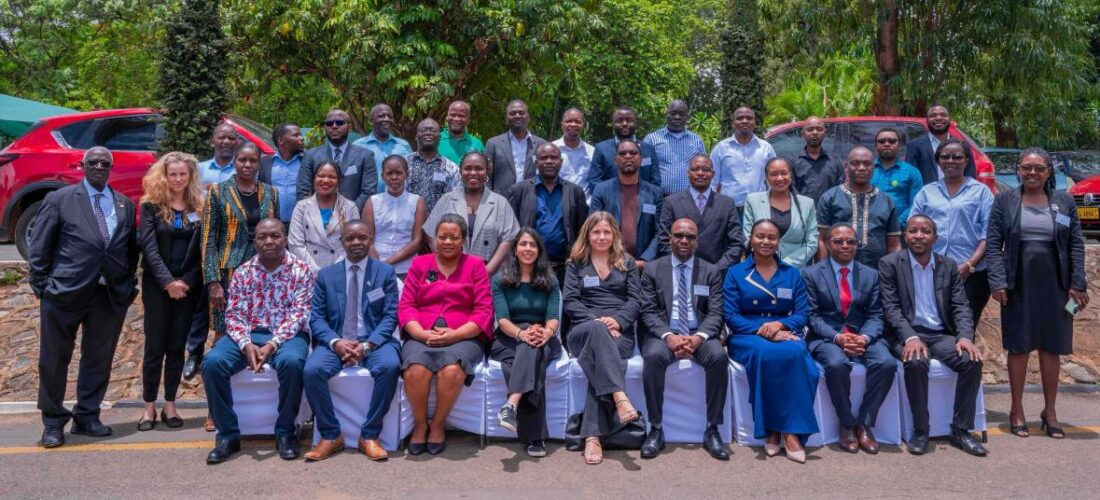
The Natural Resource Justice Network (NRJN) has launched a review of Malawi’s Extractive Industry Transparency Initiative (EITI) reports to support reforms that can strengthen the mining sector’s contribution to the economy.
Project coordinator Joy Chabwera said on Friday the review identifies major challenges in the extractive sector, among them illicit financial flows (IFFs), corruption risks, weak oversight, and limited inclusion of artisanal miners. It also points to opportunities that can help the industry better serve national development goals.
The assessment complements NRJN’s project titled Exposing Illicit Financial Flows in Mining and Reinforcing Compliance with the Extractive Industry Transparency Initiative (EITI), implemented in Balaka and Kasungu. The initiative aims to improve revenue management and reduce IFFs through stronger enforcement of EITI standards.
“NRJN reviewed eight MWEITI reports produced since 2015 to assess compliance and revenue management issues,” Chabwera said. “The findings provide evidence that can guide reforms so that mining becomes a blessing, not a curse, for future generations.”
The review highlights gaps in company compliance, hidden beneficial ownership, and weak disclosure practices across the sector.
Mabvuto Bamusi, the consultant who authored the report, said the analysis evaluates how EITI processes advanced transparency in oil, gas and mineral resources. “It exposes gaps, opportunities and potential avenues for corruption and illicit financial flows, and provides recommendations to strengthen accountability,” he said.
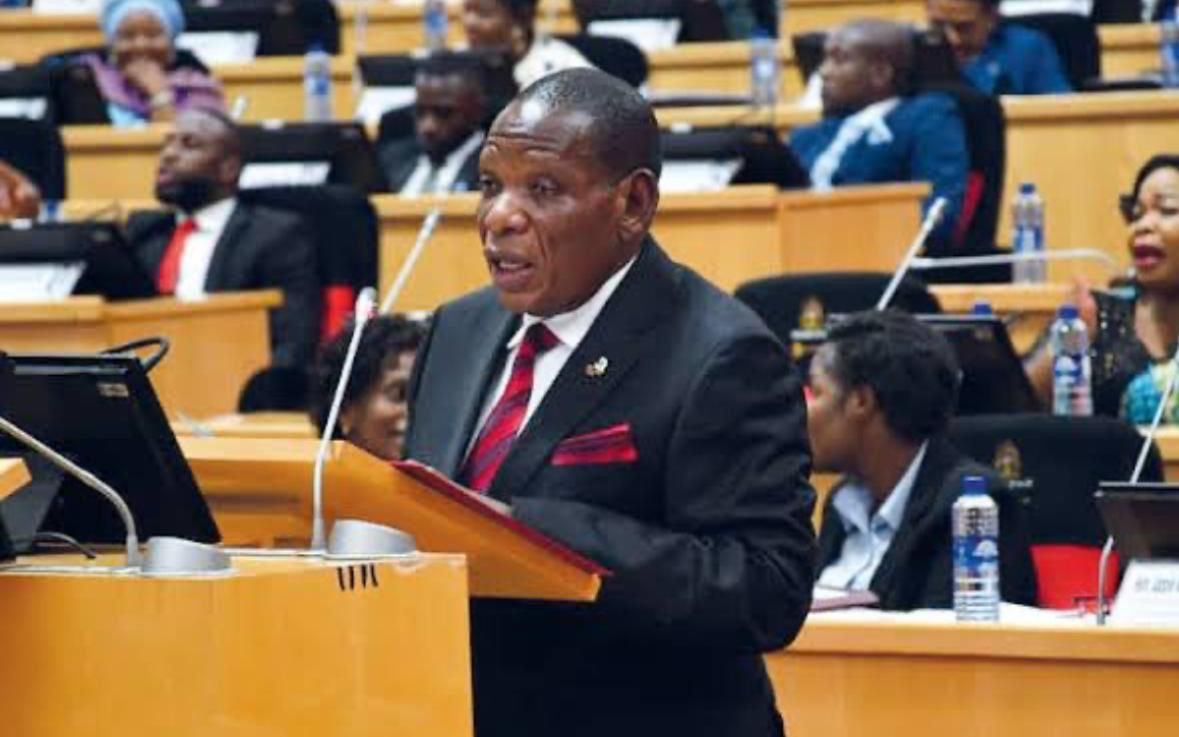
Acting Director of Mines in the Ministry of Natural Resources, Energy and Mining, Mphatso Chikoti, welcomed the findings. “We welcome the recommendations and urge continued review of MWEITI reports,” he said.
Chikoti noted that the mining sector holds significant potential to boost the economy, reduce debt, create jobs and generate foreign reserves. Because of this, he said, Malawians expect transparency in licensing, production, exports, and the use of revenues.
He called for wider dissemination of the report to ensure accountability “from the point where minerals are extracted to where the impacts are felt.”
“We can’t keep reporting the same companies for non-compliance,” he said, stressing that transparency is a responsibility, not a choice. He added that the ministry will work with agencies such as the Malawi Revenue Authority to enforce uniform and timely disclosures.
Chikoti also said the government is considering establishing a sovereign fund to ensure mining proceeds directly benefit Malawians. He urged stakeholders and development partners to support the implementation of the report’s recommendations.