By Patrick Mwanza
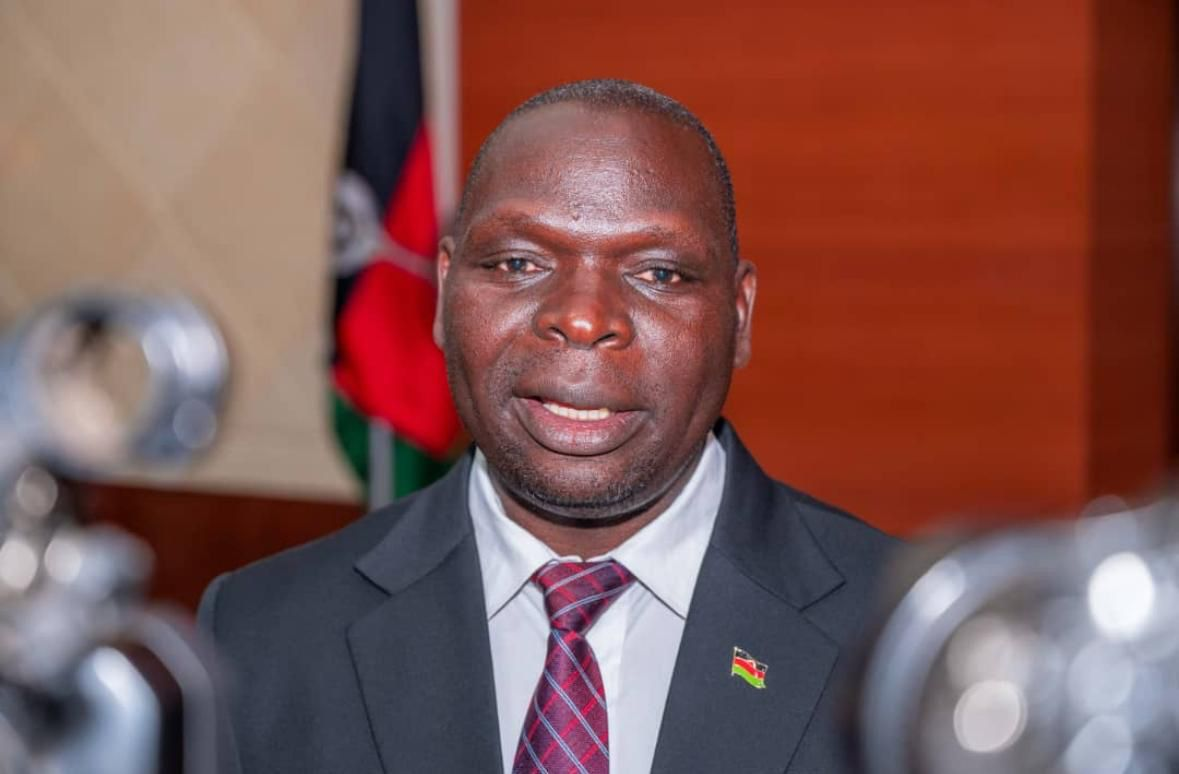
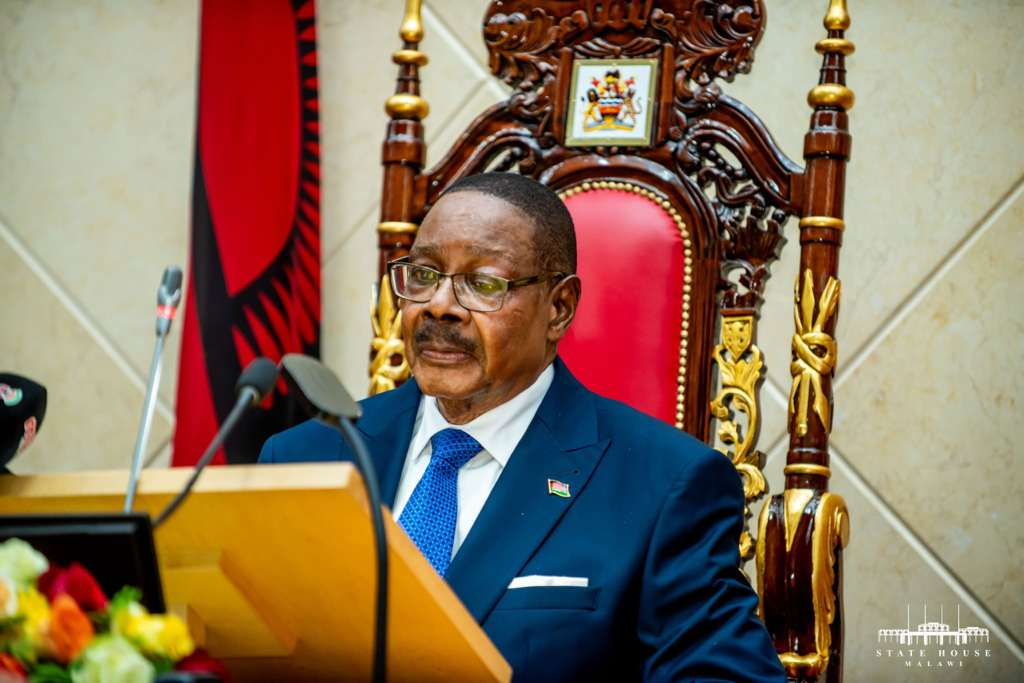
Arthur Peter Mutharika is back and this time he’s asking Malawians to give him time.
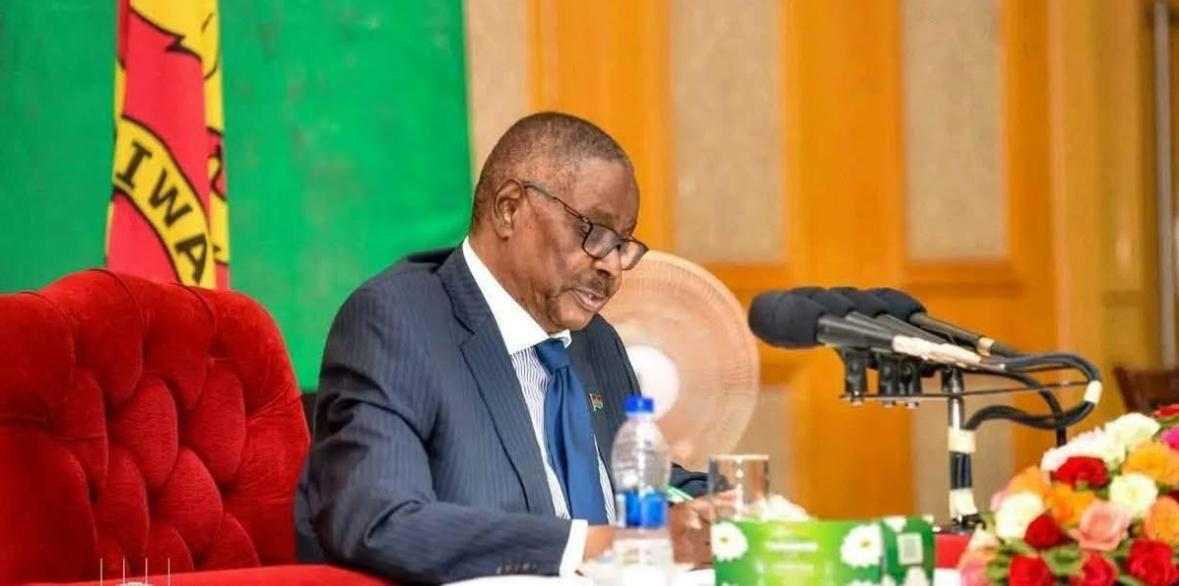
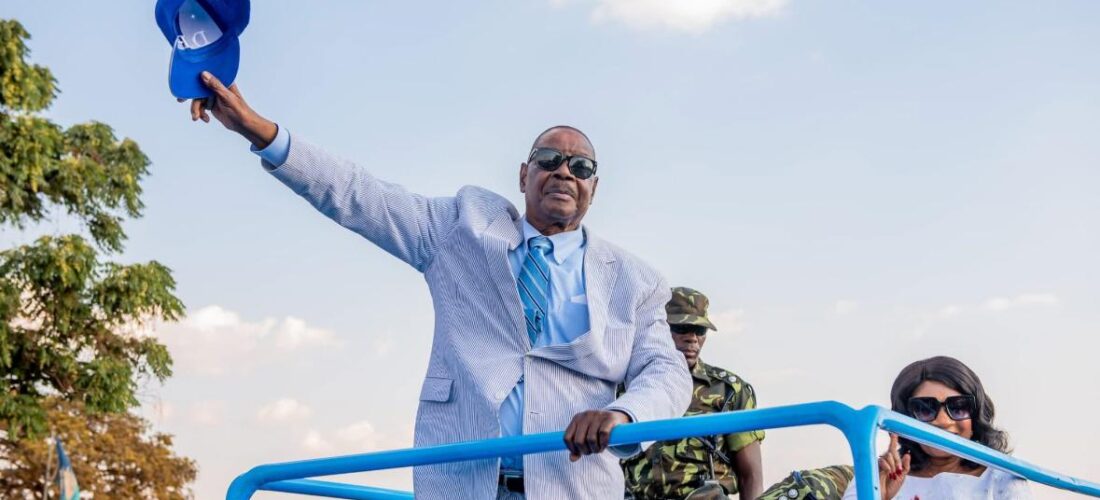
On Sunday, the newly re-elected president, who reclaimed the State House after defeating incumbent Lazarus Chakwera by 56.7 percent to 33 in the September 16 elections, spoke at the Mulhako wa Alhomwe Cultural Festival. The crowd was friendly, the tone measured, and the message unmistakable: the road ahead is steep.
“Give me a bit of time to try and fix this country,” Mutharika said, his voice steady but sober. “We inherited a very difficult situation. Having been inside for two weeks, I know how bad things are. Things are extremely bad. Please don’t demand too much from me at this point. I don’t have the capacity to give things to everybody nor to give a job to everybody. Bear with me — I will try to be fair to everyone.”
It was Mutharika’s first major address since his October 4 swearing-in, and a calculated one. The gathering of his own ethnic group gave him both comfort and cover to speak plainly. He framed the country’s challenges not as inherited excuses but as shared burdens.
“For the last six years, young people have been complaining about hunger,” he said. “Not long from now, that problem will come to an end. We are buying 200,000 metric tonnes of maize from Zambia.”
Then came the line that drew loud applause: “My word is bond. I do what I promise, and I promise what I will do.”
Still, Mutharika didn’t shy from a mild rebuke. He chastised local farmers who, he said, hoarded maize expecting prices to rise while others went hungry. “Sometimes, let’s try to be patriotic and considerate of others,” he urged.
He thanked his ethnic kin for their loyalty but quickly widened his embrace. “Malawians from across the country gave me overwhelming support,” he said. “People didn’t discriminate against me because of where I come from. I will work for everyone to the extent I am able.”
Invoking Malawi’s founding president Dr. Kamuzu Banda, Mutharika called for unity. “There’s no M’Lomwe, no M’Chewa, no M’Tumbuka, no M’Ngoni. We are all Malawians,” he said, lifting his arm. “The blood that comes from this is all red. There’s no difference. Let’s be tolerant of one another.”
His words landed in a country weary of rising prices and shrinking patience. Inflation hovers around 30 percent. What that means is that what cost one kwacha a year ago now costs one kwacha and thirty tambala.
The DPP’s comeback campaign had faced strong headwinds. Many voters still remembered the first Mutharika era: the court-overturned 2019 win over Chakwera and accusations of corruption and nepotism. But the tone of “Mutharika 2.0” suggested a man intent on learning from the past.
After the loud applause about Mutharika keeping his word, came the flourish. Addressing parents directly, he dropped what could become his administration’s signature policy:
“Starting January 1st, secondary and primary schools will be free.”
The crowd at the festival erupted with applause. It was a moment of release: a promise big enough to stir hope, yet one whose price tag and logistics remain unclear.
The devil, as they say, will be in the details.