President urges civil servants to embrace technology and cut time-wasting meetings as he sets a reformist tone for his new administration
By The Forum
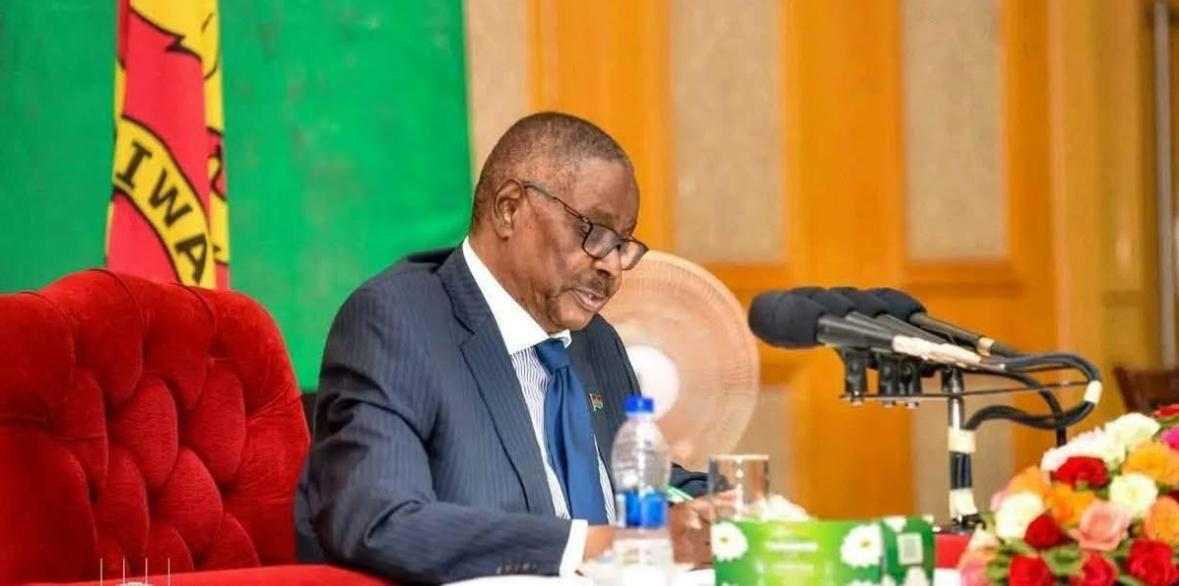
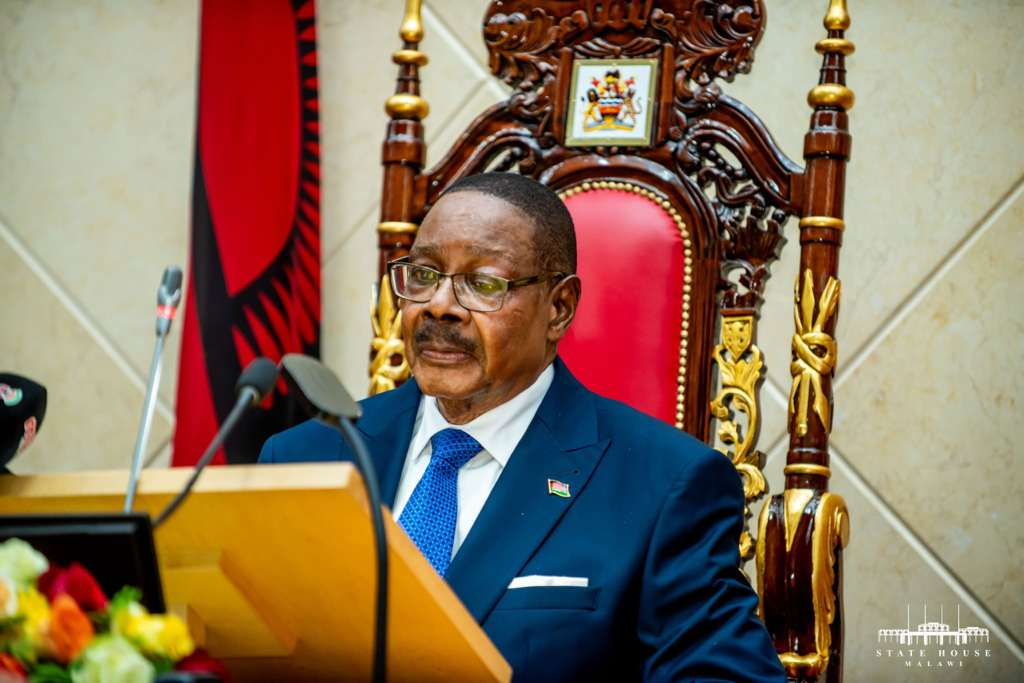
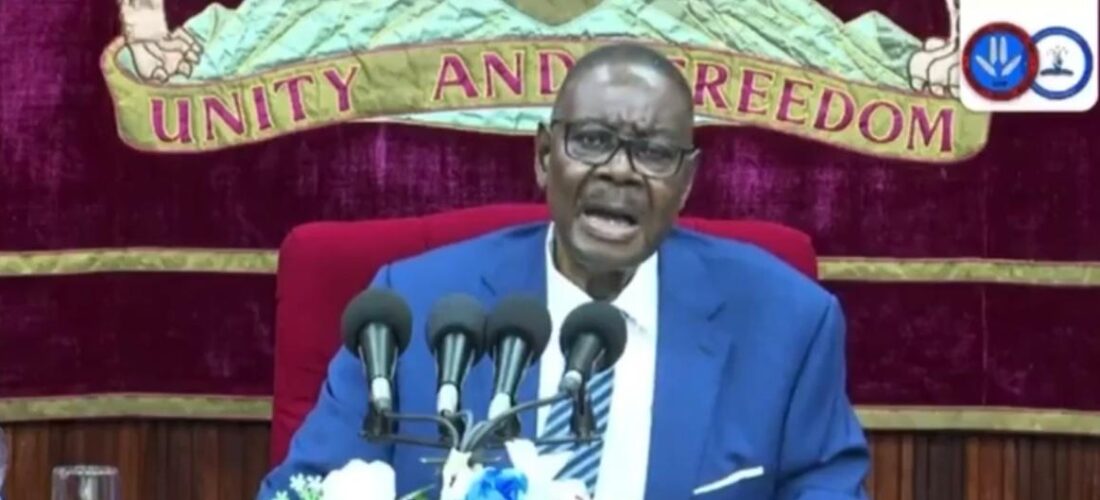
Fed up with endless and unproductive government meetings, Malawi’s newly elected President Peter Mutharika has urged civil servants to embrace technology and hold virtual conferences instead.
“Malawians, we are a nation of meetings, endless meetings,” Mutharika said Wednesday during the swearing-in ceremony of newly appointed senior government officials, including Second Vice President Enoch Chihana of the Alliance for Democracy (Aford), which recently joined Mutharika’s Democratic Progressive Party (DPP) in a coalition formed ahead of the September 16 general elections.
“I want civil servants to cut back on physical meetings,” he said, adding that virtual discussions would save time and public resources.
Mutharika, who previously served in government when his late brother Bingu wa Mutharika was president, recalled the inefficiency of repetitive meetings.
“We’d have a meeting today, and two days later we’d come again to discuss what we discussed at the last meeting, and come back a third day to discuss what was discussed at the meeting we just had,” he said. “It went on and on.”
The president — he spent four decades abroad as a law professor — said he was surprised that in Malawi “nobody wants to talk on the phone to save time,” citing fears of surveillance. He assured officials that his administration would not spy on them, declaring:
“I have decided to free this country. This is now a free Malawi.”
Mutharika said he wants ministries and departments to use digital tools and virtual platforms to reduce unnecessary travel and fuel consumption. He cited an unnamed president who “spends 99 percent of his time running the government on the phone” as an example of efficiency.
There’s also an aspect of holding meetings that the president didn’t mention for reasons best known to him. Government officials are known for preferring physical meetings because they can claim allowances to supplement their incomes when these meetings are held away from their duty stations.
Critics have long cited this practice as a subtle form of corruption.
Turning to his new cabinet at Sanjika Palace in Blantyre, he warned:
“If anyone is corrupt or incompetent, I won’t hesitate to remove them. And I mean it.”
Mutharika outlined his vision to rebuild the economy through “discipline, good governance, hard work, and a change in mindset,” and called on the private sector to promote more women into leadership roles. He highlighted his appointment of Jane Ansah as vice president as proof of his commitment to gender empowerment, saying it marked “the beginning, not the end.”
He also directed newly appointed Chief Secretary to Government, Justin Saidi, to lead a professional and integrity-driven civil service.
Mutharika announced his new cabinet on Sunday, October 5, but the officials formally assumed office after taking the oath on Wednesday. Among them were Minister of Finance, Economic Planning and Development Joseph Mwanamvekha — who pledged to prioritize foreign exchange stability to ensure food, fuel, and fertilizer availability — Deputy Chief Secretary Stuart Nelson Ligomeka, Minister of State Alfred Gangata, and Foreign Affairs Minister George Chaponda.
Mutharika’s push for modernization contrasts sharply with former president Lazarus Chakwera’s controversial 2021 trip to London for a virtual education summit, where his large entourage drew public criticism.