
By Patrick Mwanza
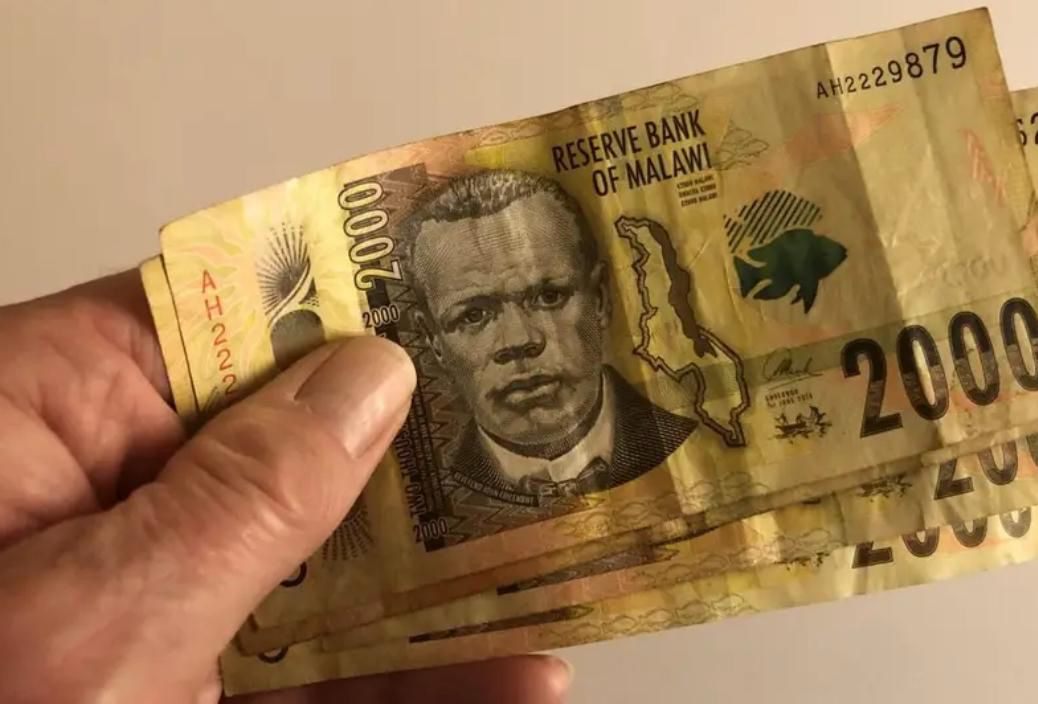
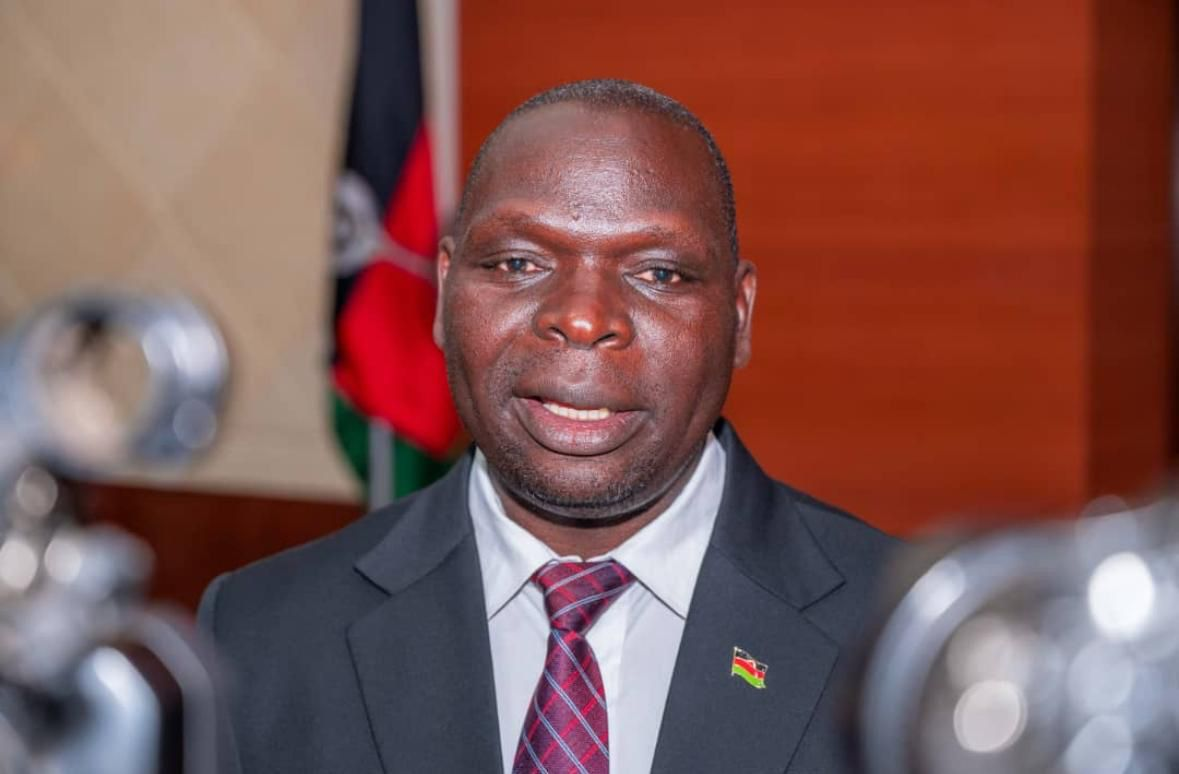
A hungry man is an angry man and in Malawi, a nation of 22 million, hunger was the loudest voice at the ballot box. President Peter Mutharika knows it. Months of running on empty sharpened resolve, hardened patience and ultimately guided voters on September 16. With 56.8 percent against 33 percent, Malawians made their choice, a preference fueled by empty stomachs and full awareness of the stakes.
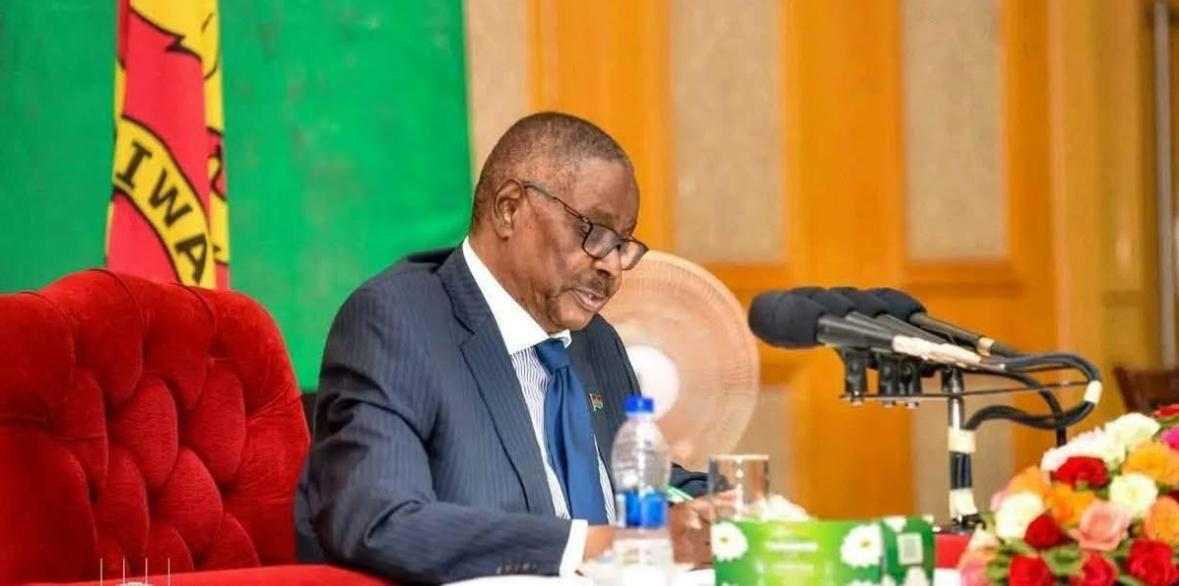
To curb that anger and fill the void, the new president is putting food at the top of the menu. “First of all, I will look at the food situation immediately. We need to get food here first,” he told Times TV, noting that his administration had already identified maize sources “in the neighborhood.”
Next on the check list is fuel, the lifeblood of commerce and daily life. Third, fertilizer, because the planting season waits for no one. “The rains may be late or they may come very soon. So that’s an immediate problem. Those three things, we are going to start immediately. Then we will go to long-term things later,” he said.
These priorities reflect the very issues that shaped voter decisions. Chronic food shortages, fuel and foreign exchange crises, and inadequate support for farming and education abroad were the pressures that ultimately tipped the scales against the Malawi Congress Party (MCP).
The MCP had incumbency on its side, influence over the electoral body and legal victories bolstering confidence. Yet voters spoke louder. Mutharika’s margin left no doubt and outgoing President Lazarus Chakwera conceded gracefully.
“It was clear that my main rival Peter Mutharika had already secured an insurmountable lead over me,” Chakwera told the Toronto Sun. “I want you to know that I am committed to a peaceful transfer of power.”
Chakwera, however, skipped the inauguration. Reports suggest he sought assurances against potential heckling, assurances organizers couldn’t provide. Surprised at being removed from the program, he opted to stay home, while his party expressed confusion over the last-minute changes.
For Mutharika, the drama was background noise. “Any problem created by humans can be solved by humans also,” he said, setting the tone for his administration’s rescue agenda.
Malawi’s seventh president rolled out his priorities with pragmatism and urgency. Food, fuel, fertilizer, which are three essentials to calm the stomachs, steady the economy, and restore hope. Change, he reminds the nation, starts with addressing basic needs.