By Edwin Mauluka
President Peter Mutharika has issued a decree banning the export of Malawi’s unprocessed minerals, saying the country must add value locally before exporting.
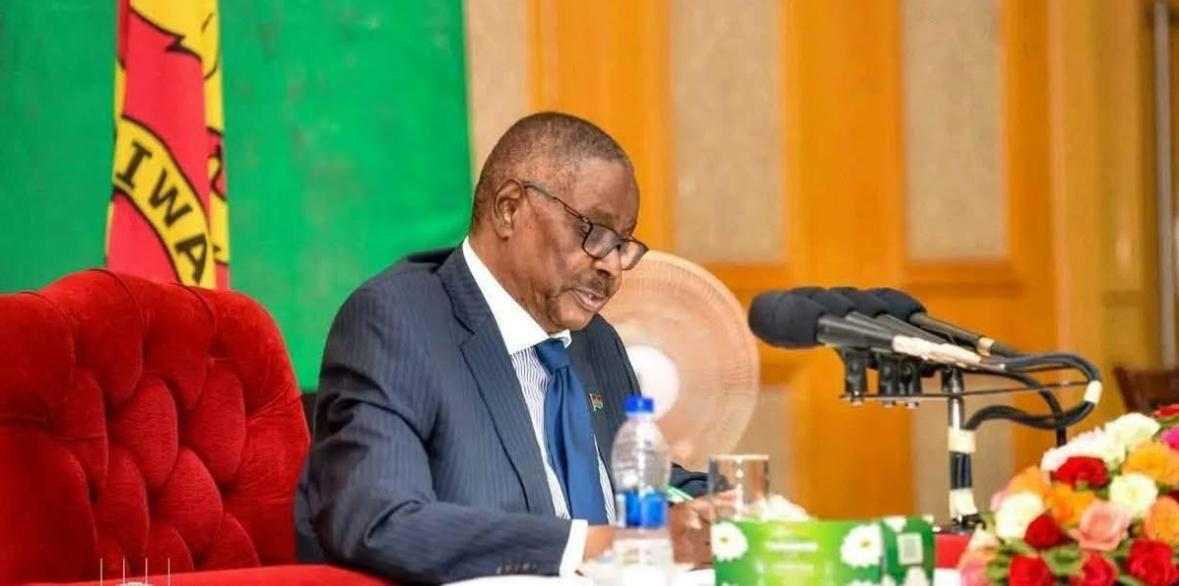
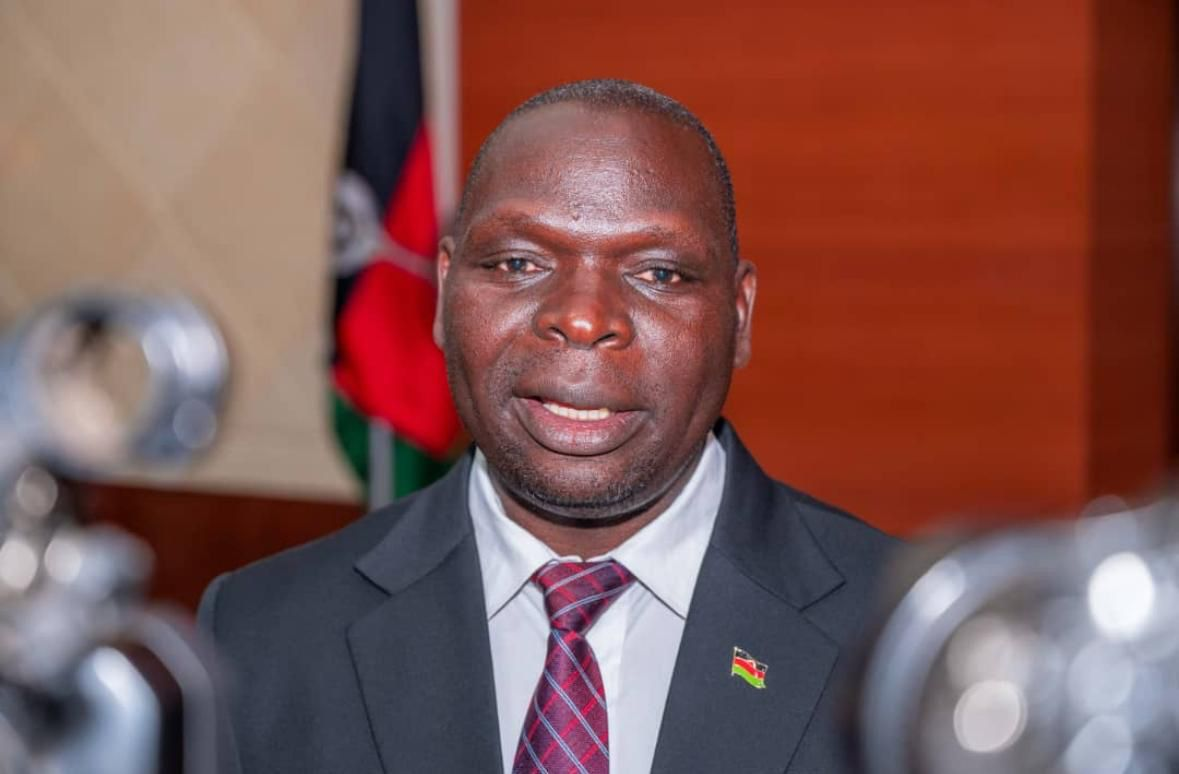
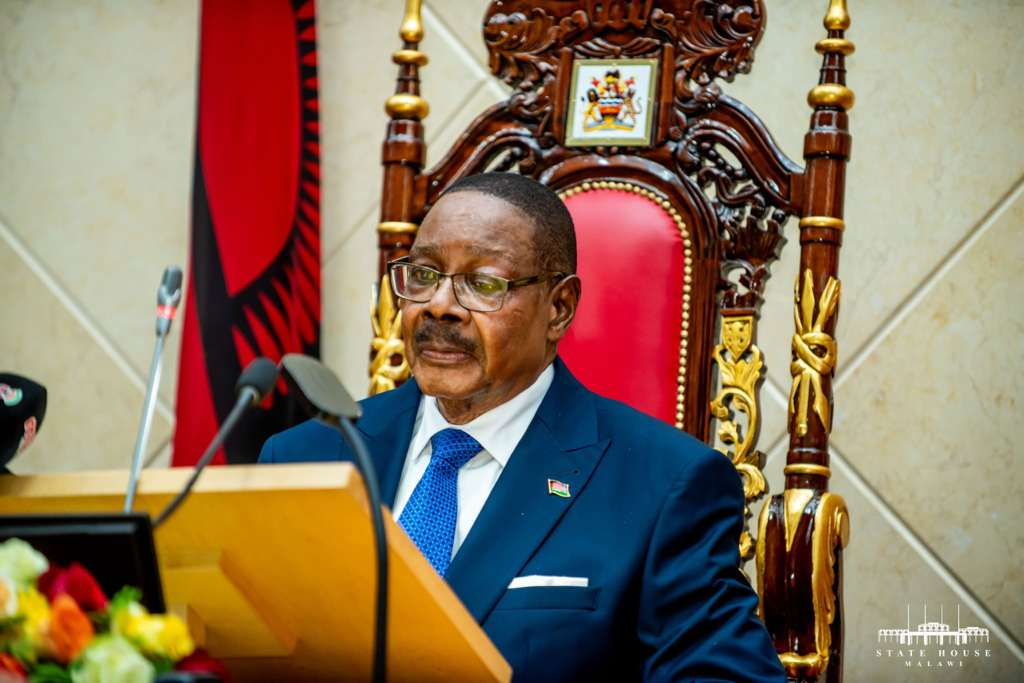
Mutharika made the announcement on Tuesday afternoon at Sanjika Palace in Blantyre during the swearing-in ceremony of Enoch Chihana, president of the Alliance for Democracy (AFORD), as the country’s Second Vice President, along with Roza Mbilizi and George Partridge as cabinet ministers.
“I want us to do manufacturing,” Mutharika said. “Therefore, I don’t want any minerals exported from this country in raw form. I am issuing a decree today — nobody, no artisan, nobody at the airport, is going to allow exportation of materials in raw form. If they do, I am going to arrest them.”
The president said his vision is for Malawi to venture seriously into production, noting that the country is rich in mineral resources that could generate millions of dollars for the economy.
Recalling discussions with Australian officials, Mutharika said minerals at Kangankunde in Balaka District have a lifespan of up to 100 years, while graphite and rutile deposits at Kasiya could last between 40 and 60 years. He said if final products were manufactured locally, Malawi could earn more than US$500 million annually — enough to establish a sovereign wealth fund.
He pointed to Norway’s experience as a model, noting how the Scandinavian country transformed itself from poverty to prosperity after discovering oil and creating a sovereign fund.
“We must add value here before exporting,” Mutharika said. “There was one item they bought here for US$200, and after processing, they sold it for US$700. That’s how much we are losing.”
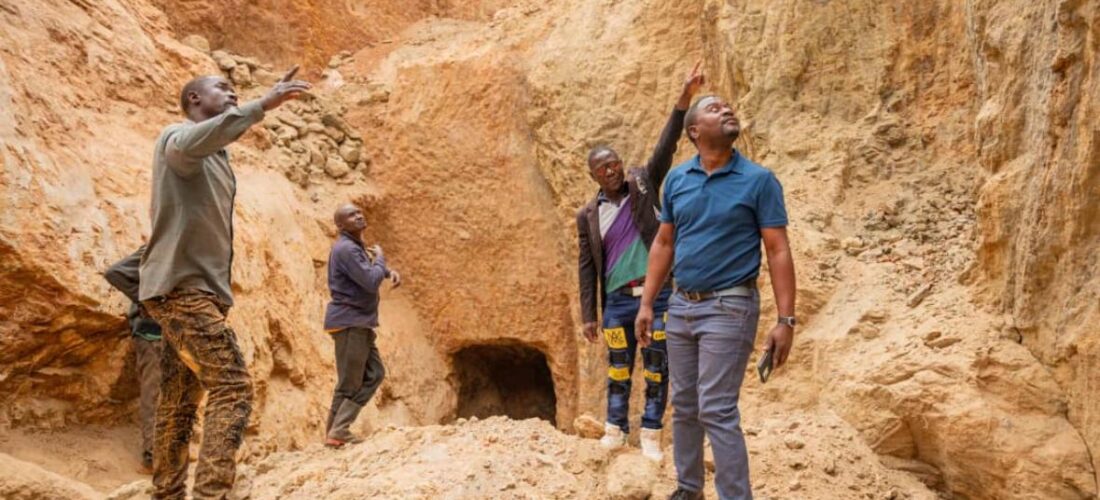
The president also issued a stern warning to illegal miners in Namizimu, Mangochi, and other areas: “I have news for you: your days are numbered.”
Turning to food security, Mutharika assured Malawians that the government is working hard to ensure maize availability, revealing that agriculture officials are in Zambia finalizing successful grain import negotiations.
He urged the Ministry of Agriculture to ensure fertilizer distribution begins before the rainy season, warning that any delays could cause hunger in 2026.
“In agriculture, I also want transformational change,” Mutharika said. “Agriculture must be industrialized in a very serious way. I know there are mega farms, but I’m told the story is not very good. The money allocated and the maize produced do not correlate, which means something went wrong. We need to fix that. It’s a good concept, but it’s not being run properly.”
Mutharika further called for serious investment in technology across all sectors, particularly in agriculture. He said the country must move away from traditional tools such as the hand hoe and adopt mechanized farming methods that make work easier, especially for elderly farmers.