By Edwin Mauluka
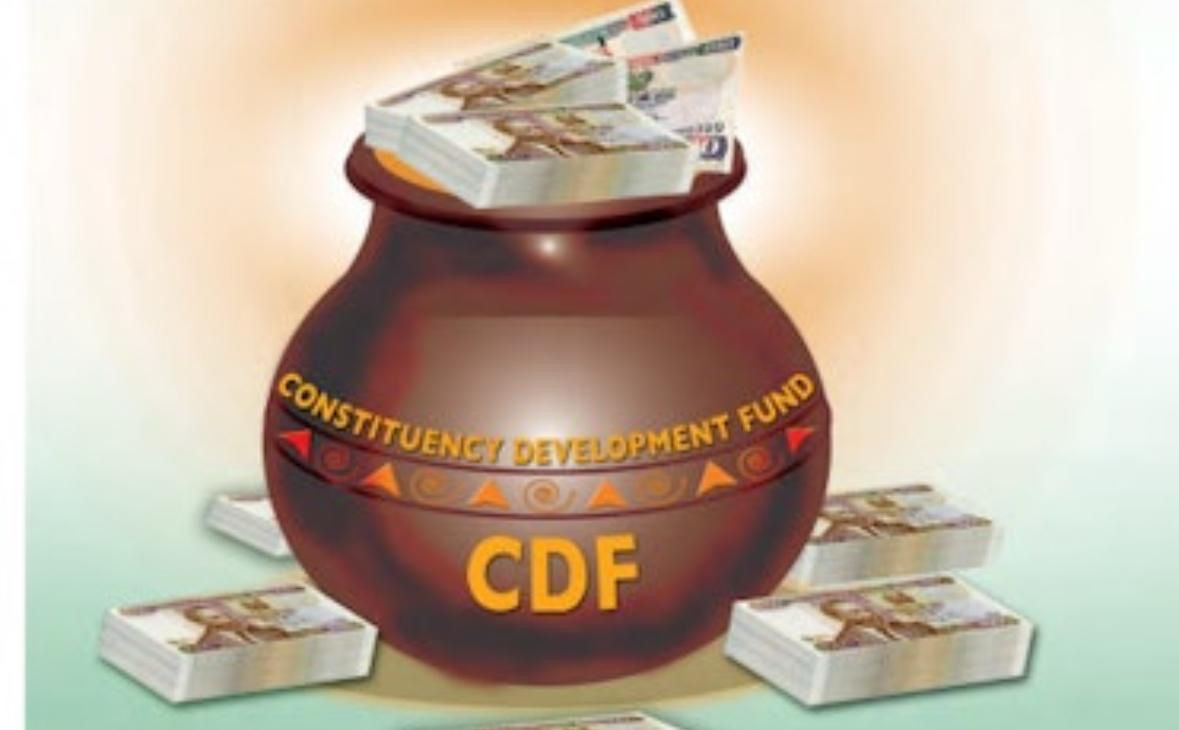
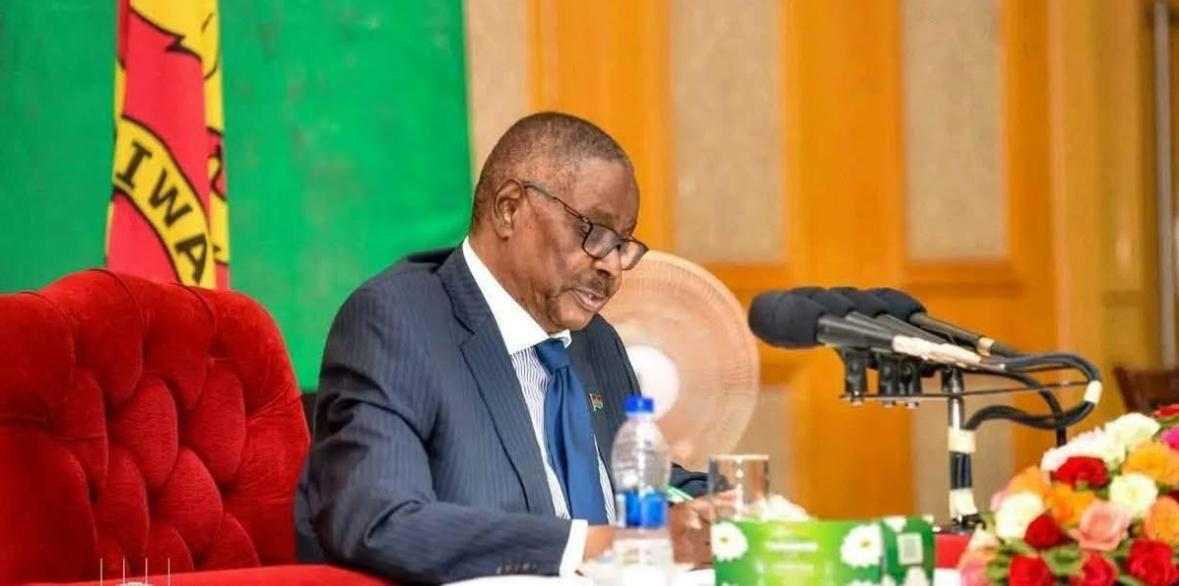
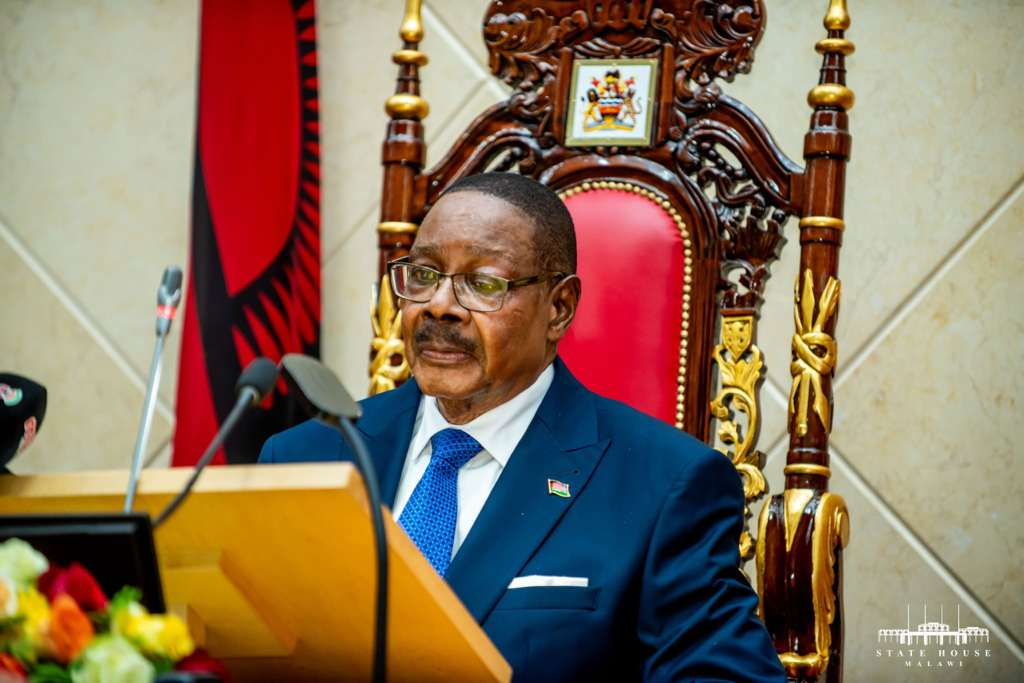
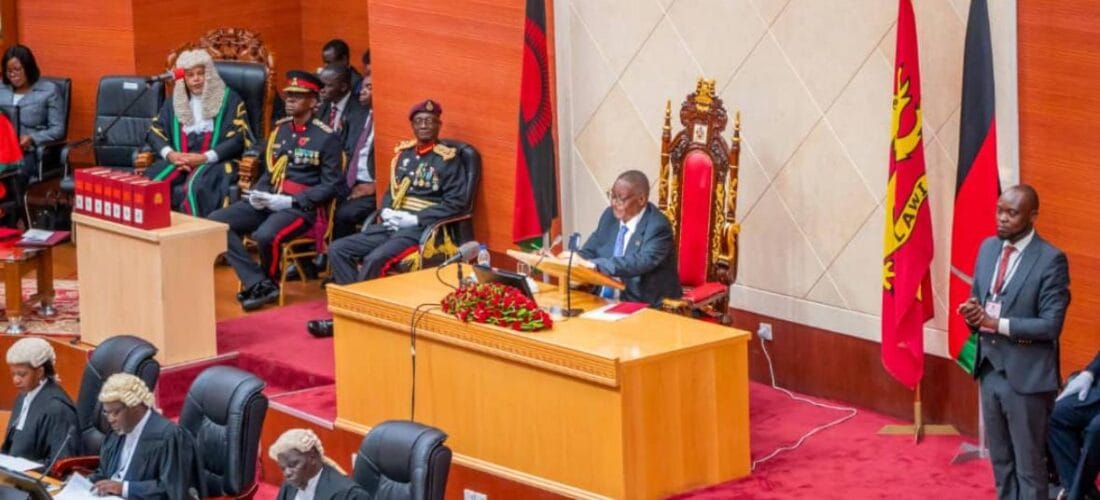
President Peter Mutharika has withheld assent to the Constituency Development Fund (CDF) Constitution (Amendment) Bill No. 2 of 2025, dealing a major setback to Members of Parliament who have been pushing for greater control over the management of CDF resources.
The Bill, which was passed in December 2025 with overwhelming support — 199 votes in favour and none against — was introduced as a private members’ bill by Mzimba South East legislator Emmanuel Chilambulanyina Jere. It was tabled against the backdrop of government plans to increase CDF allocations from MWK200 million to MWK5 billion per constituency starting April 2026.
However, Presidential Press Secretary Cathy Maulidi said the President rejected the Bill in its entirety, arguing that government remains committed to ensuring the management of public funds, particularly the CDF, meets the highest standards of accountability, transparency, and fiscal responsibility.
“To ensure that development projects at the constituency level continue to progress without compromising financial integrity, the President has directed the Ministers of Justice and Constitutional Affairs and Finance and Economic Planning to draft guidelines for the management of the Constituency Development Fund,” Maulidi said in a statement.
The proposed constitutional amendment sparked public resistance immediately after its introduction in Parliament. Several civil society organisations called for its withdrawal, arguing that it undermined constitutionalism, weakened local governance structures, and reduced accountability in the use of public resources.
Critics warned that the amendment sought to reverse an earlier High Court ruling that removed MPs’ voting rights in district councils and stripped them of primary responsibility over local development planning. The court had ruled that assigning MPs both legislative and executive functions violated the principle of separation of powers.
Benedicto Kondowe, chairperson of the civil society coalition that opposed the Bill from the outset, described the President’s decision as “constitutionally sound, principled, and in the public interest.”
“Presidential assent is not a rubber stamp but a constitutional safeguard meant to prevent unconstitutional, conflicted, and court-defiant legislation from taking effect,” Kondowe said.
He added that, in light of the binding court judgment, the decentralisation framework under Section 146 of the Constitution, and widespread public opposition, withholding assent was the only responsible course of action.
Kondowe cautioned against political brinkmanship following the decision, urging Parliament to revisit the Bill and align it with constitutional provisions and the court’s determination.
“Parliament must meaningfully engage the public, respect the separation of powers, and ensure full constitutional compliance. Upholding constitutional order today is what preserves democracy, accountability, and public trust tomorrow,” he said.
The decision is expected to disappoint many MPs who have argued for a more direct role in overseeing CDF expenditure at council level.
During debate on the Bill, Dowa East legislator Richard Chimwendo Banda echoed sentiments shared by several MPs, warning that parliamentary representation would be rendered meaningless if lawmakers were excluded from decision-making at council level.
“What is representation if it only means coming here to allocate MWK5 billion to councils without holding them to account?” he asked, dismissing allegations that MPs abuse CDF resources. He argued that MPs neither issue cheques nor collect quotations, responsibilities which fall under District Commissioners.
In presenting the Bill, Jere said the proposed amendment sought to clearly define the purpose, governance framework, and guiding principles for managing and utilising CDF, with an emphasis on transparency, efficiency, accountability, and community ownership.
He further noted that the Bill proposed audit systems and citizen monitoring tools aimed at improving transparency and long-term sustainability.
“This amendment proposes inserting a new Chapter XIV(A) to anchor these four areas,” Jere told the House. “But this is not the end. These provisions are not sufficient, and we will return with a full CDF Bill to provide detailed management arrangements. This amendment merely lays the foundation.”
—
Also Read: Mutharika was right to kill the CDF power grab — the bill deserved to die
Related: Jere tables CDF Amendment Bill to strengthen MPs’ role in local development
Related: Malawi NGOs close ranks to stop MPs’ ‘overreach’ on CDF