
By Edwin Mauluka
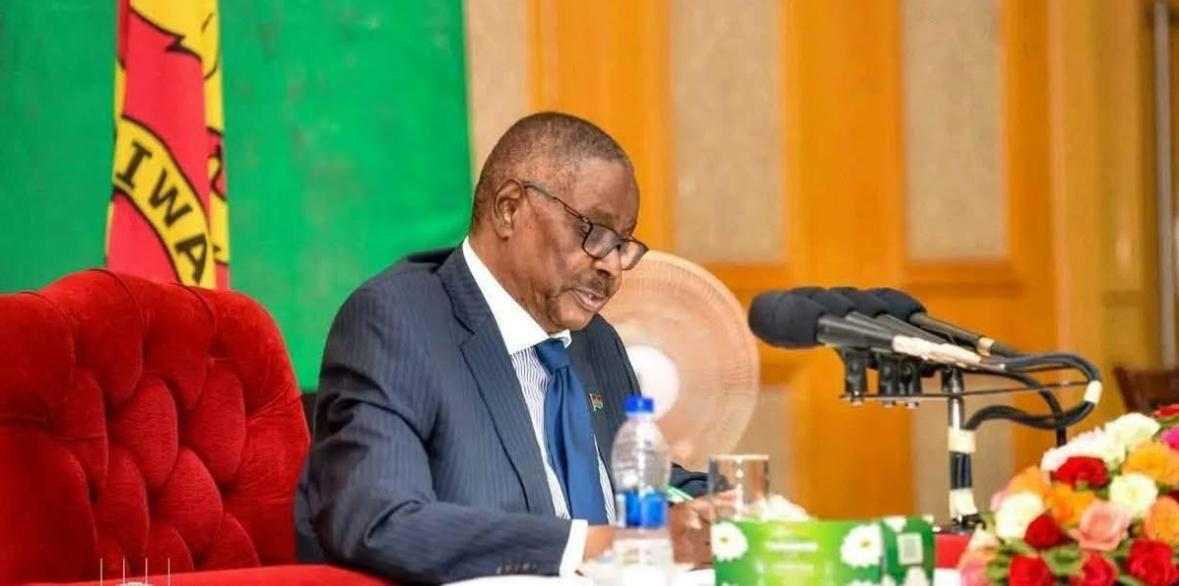
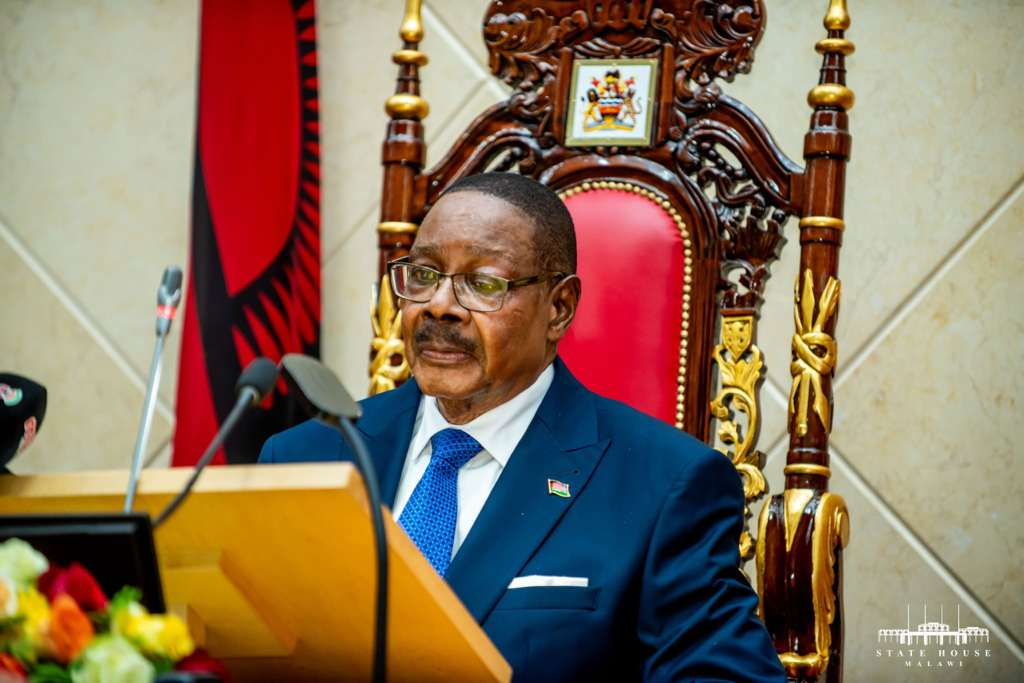
President Peter Mutharika has appointed George Partridge as the new Governor of the Reserve Bank of Malawi (RBM) with immediate effect.
Chief Secretary to Government Justin Saidi said the appointment was made in exercise of the powers conferred on the President under Section 89(1)(d) of the Constitution of the Republic of Malawi.
Partridge was until his appointment Minister of Industrialisation, Business, Trade and Tourism. He replaces Macdonald Mafuta Mwale, who was appointed in 2025 under the former Malawi Congress Party (MCP) administration.
When appointing Partridge as minister, Mutharika expressed confidence in his experience to help strengthen Malawi’s foreign exchange position. Partridge previously served as Group Chief Executive Officer of Press Corporation Plc from 2016 and was Chief Executive Officer of National Bank of Malawi for a decade. Before that, he held senior positions at the Reserve Bank of Malawi, rising to Director. He has also served on several public and private sector boards, as well as national economic advisory committees.
Malawi continues to grapple with chronic shortages of foreign currency reserves and runaway inflation, a combination that has sharply driven up the cost of living and the price of essential imports such as fuel, medicines, machinery, and spare parts. In this context, observers view Partridge’s reassignment to the helm of the central bank as a logical and timely move.

In a related administrative rejig, President Mutharika has directed that the Department of Public Sector Reforms Management (PSRMD) be placed under the Office of the President and Cabinet (OPC) with immediate effect.
Saidi said the move is intended to streamline decision-making by aligning and consolidating PSRMD functions under the OPC to centrally facilitate reforms across ministries, departments and agencies.
“The relocation will further promote political accountability of the Presidency to the public on public sector reforms. Government remains committed to enhancing public service delivery through appropriate reforms in line with Malawi Vision 2063,” Saidi said.
This marks the second time within a month that Mutharika has transferred departments from the Office of the Vice President, Jane Ansah. On January 10, 2026, he directed that the Department of Disaster Management Affairs (DoDMA) be placed under the OPC.
According to Saidi, the move was strategic, aimed at strengthening government response to disasters and emergencies through improved coordination, faster decision-making and more efficient resource allocation.
“Placing DoDMA under the OPC will enable quicker responses to emerging disasters, given the Office of the President and Cabinet’s capacity to coordinate at the highest level,” he said.
The DoDMA decision came while Vice President Ansah was in the United Kingdom attending her husband’s birthday celebrations, a trip that sparked controversy over funding and appeared to clash with the President’s austerity message.
On December 31, 2025, Mutharika told Malawians that Ansah had used personal resources to finance the trip, despite earlier indications that public funds would be used. Prior to her departure, Minister of Information and Government Spokesperson Shadric Namalomba said the Vice President’s trip, involving a five-member delegation, would cost taxpayers MWK168 million.
Namalomba added that the total cost, including travel and allowances, had initially been estimated at MWK294.7 million before being reduced in line with austerity measures.
The controversy intensified after leaked documents suggested plans for a 15-member delegation at an estimated cost of nearly MWK2 billion, triggering renewed calls for transparency and accountability following contradictory official explanations.
Meanwhile, President Mutharika has also appointed Sheikh Ishmael Afiki Mtiko as Deputy Presidential Adviser for Religious Affairs.
—
Also read: Conflicting Accounts Of Ansah UK Trip
Related: Austerity To Save Malawi MWK44 Billion, Finance Minister
Related: Mutharika Pushes For Virtual Meetings, Slams Wasteful Bureaucracy