By Edwin Mauluka
Member of Parliament for Dedza Mayani, Savel Kafwafwa, has urged the Minister of Finance, Economic Planning and Decentralisation to meaningfully incorporate recommendations from parliamentary cluster committees into the 2026/27 national budget.
Kafwafwa, who chairs the Parliamentary Committee on Social and Community Affairs and represents cluster committee chairpersons, raised the concern in the National Assembly ahead of presentations from the committees following two weeks of budget scrutiny and consultations.
He said legislators are increasingly disengaged from the process because their input rarely influences the final budget.
“If you see that members of the cluster committees are not working with a lot of energy, that must be understood,” said Kafwafwa.
“The energy is drained for a simple reason. For many years in this House, whatever suggestions we make in the cluster committees do not really change anything in the final budget.”
He questioned the value of continuing a process that consumes time and public resources without tangible impact.
“If this trend continues, it would be better to table the budget and pass it the following day,” he said. “If the Minister of Finance knows nothing will change, why give us the opportunity to deliberate and gather input from ministries, departments and agencies?”
On behalf of cluster committee chairpersons, Kafwafwa appealed to Finance Minister Joseph Mwanamvekha to engage them on how to improve the process.
“Otherwise, what we present here will remain as it has been over the years. There is need for a new approach to how cluster committees operate and how our feedback is handled,” he said.
Dowa North East MP Samuel Kawale backed Kafwafwa, noting that when cluster committees were introduced in 2014, lawmakers had hoped their contributions would shape the budget.
“I agree with the chair that the process has not achieved its intended purpose to a great extent,” said Kawale.
He proposed involving legislators earlier in the budget formulation process, rather than after the draft has already been prepared.
“That way we can provide input on how the budget should be structured and how ministries, departments and agencies should be funded. As it stands, it is largely a futile exercise, with minimal changes, if any,” he added.
However, Nkhatabay Central MP Vuwa Kaunda opposed the suggestion, arguing that direct involvement in budget formulation would blur Parliament’s constitutional role.
“Is it in order for the honourable member to ask the Minister of Finance to consult Parliament in budget formulation? Is that representation, oversight or lawmaking?” he queried.
First Deputy Speaker Victor Musowa described the concerns as pertinent and directed cluster committee chairpersons to engage the Minister of Finance to resolve the matter.
He expressed hope that such discussions would clarify positions and lead to an improved process.
Responding on behalf of the government, Minister of Information and Digitalisation and Deputy Leader of the House, Shadreck Namalomba, assured MPs that their concerns would be considered.
“We have come to do things differently,” said Namalomba. “The Minister of Finance will meet the cluster chairpersons. The purpose of this process is for members to scrutinise the budget, provide recommendations, and for those recommendations to be taken into account.”
—
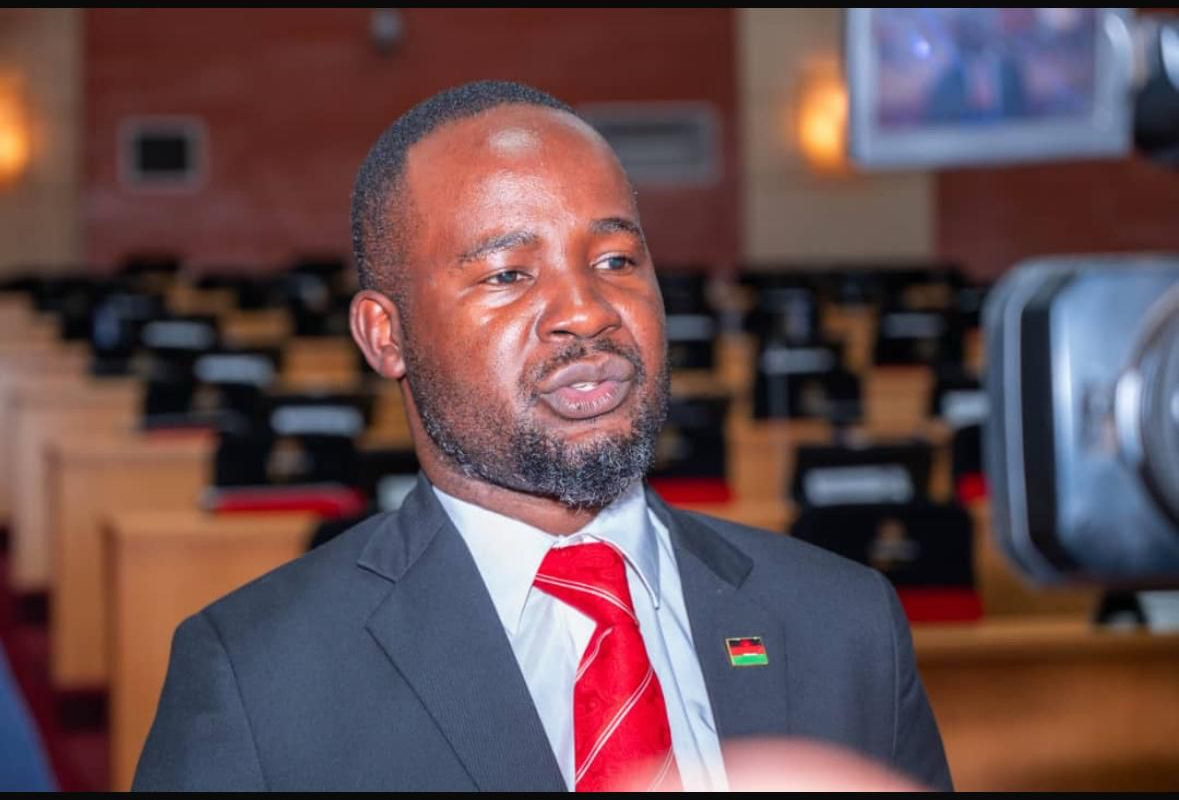
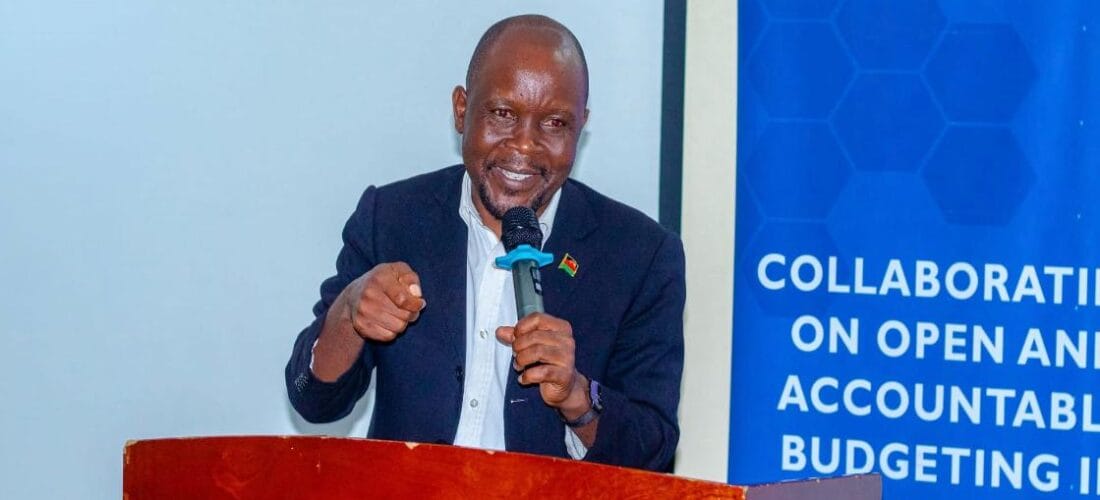
Kafwafwa in photo above
Also Read: Malawi 2026/27 Budget Meeting Guide: Key dates, process and priorities
Related: Austerity to save Malawi MWK44 Billion, Finance Minister fells Parliament
Related: Malawi Secures $45M Loan for Maize Amid Debt Crisis: The New Austerity Push