By The Forum
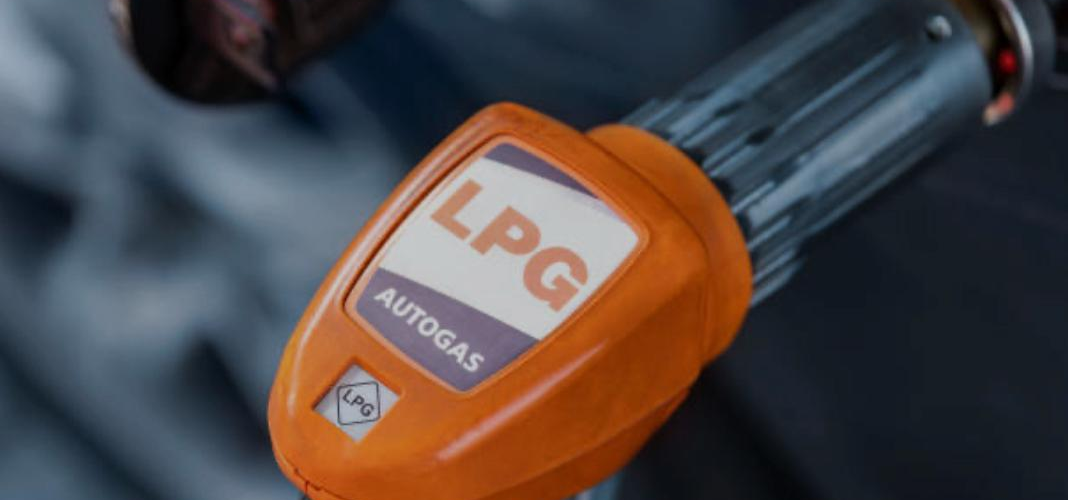
Consumers who rely on Liquefied Petroleum Gas (LPG) for cooking and other uses will pay more following a 19.65 percent price increase.
The approved maximum retail price has risen to MWK4,475 per kilogram, up from MWK3,740. The adjustment takes effect Wednesday, March 4, 2026, after the Malawi Energy Regulatory Authority (MERA) revised LPG prices.
In a statement issued the same day, MERA Board Chairperson Lucas Kondowe said the decision was approved by the Energy Pricing Committee.
He explained that since the last LPG price adjustment in October 2024, the Free-On-Board (FOB) price as of January 2026, along with increases in road freight, insurance and handling, financing costs, and in-transit losses, has resulted in a 22.65 percent rise in the landed cost of LPG.
Kondowe noted that the previous retail price was not cost-reflective, making it difficult for importers to sustain operations. Some importers, he said, had significantly scaled down supplies as the business had become unviable.
Under the Automatic Pricing Mechanism (APM), LPG qualifies for a price revision when the landed cost moves beyond the ±5 percent trigger band. MERA said the latest increase is necessary to sustain importation and ensure continued availability of the product.
Kondowe warned that all LPG retailers are legally required to comply with the regulated maximum retail price and must not sell above the approved rate.
Earlier this year, on January 20, MERA also raised petroleum pump prices—less than four months after the previous adjustment on October 1, 2025. Petrol prices increased from MWK3,499 to MWK4,965, representing a 41.90 percent rise, while diesel went up from MWK3,500 to MWK4,945, a 41.29 percent increase.
The latest adjustments follow the adoption of the Automatic Pricing Mechanism, which replaced the fixed pricing regime used by the previous administration.
According to MERA, the fixed pricing system disrupted road levy collections, delayed key electricity projects, and created opportunities for fuel smuggling. The regulator said this led to foreign exchange losses through subsidised cross-border fuel demand and the depletion of Strategic Fuel Reserves.
—
Also Read: Fuel prices jump over 40% as MERA reintroduces automatic pricing mechanism
Related: Malawi economy stabilising as reforms cut K158bn in spending, says Mwanamvekha
Related: Malawi unveils K10.9 trillion 2026/27 budget, deficit narrows as govt targets economic recovery