By The Forum
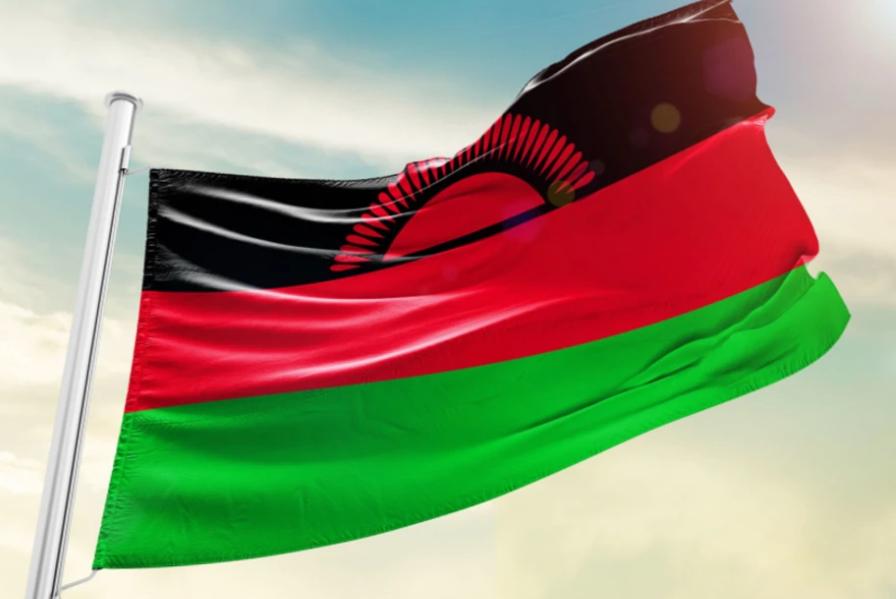
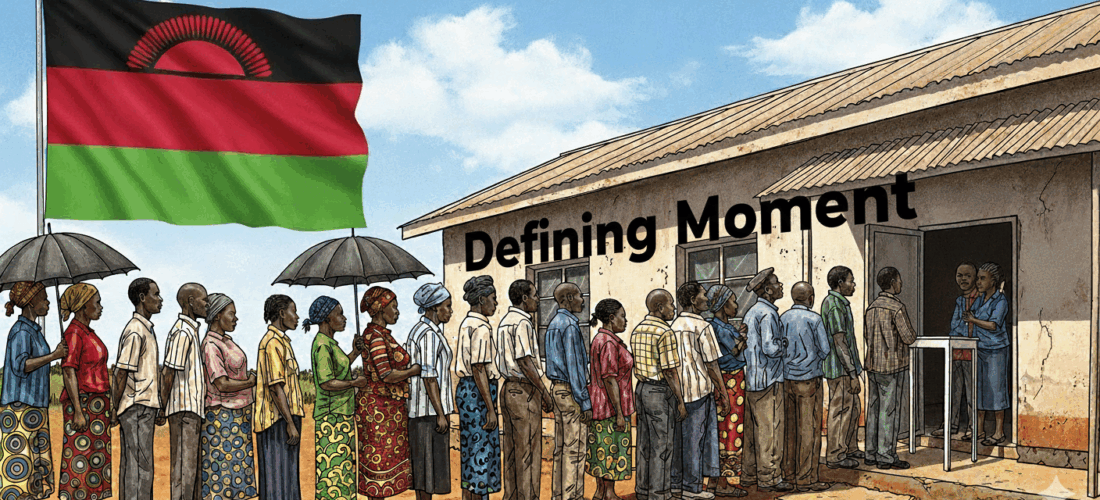
It’s election eve in Malawi, where political campaigning is prohibited to give voters a final 24 hours to reflect on their choices without pressure or fresh appeals. From fiery rallies to legal battles, our correspondent Edwin Mauluka was there.
Promises of reform, economic revival, and corruption crackdowns dominated the campaign trail. With the Malawi Electoral Commission (MEC) declaring readiness and a key court ruling clearing the use of electronic devices, voters now weigh the competing visions of presidential hopefuls ranging from seasoned politicians to fresh challengers. Here’s a recap of the defining moments shaping this historic election.
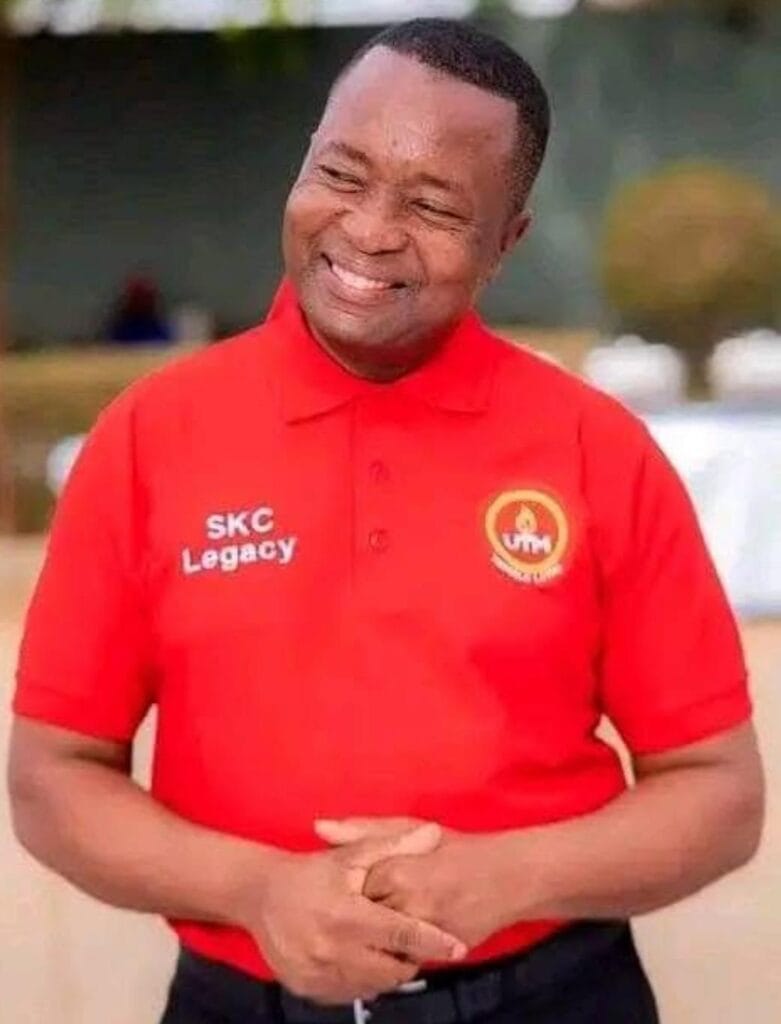
We start with UTM’s Dalitso Kabambe, who invoked the legacy of the party’s late founder, Saulos Chilima, in his final rally at Njamba Freedom Park. Kabambe accused Malawi’s leaders — past and present — of arrogance and corruption, saying they enrich themselves while citizens suffer. Positioning himself as an economist ready to stabilise the kwacha, he pledged K500 billion toward mechanised agriculture and another K500 billion to create jobs in mining. He promised social services investment and urged voters not to return former presidents Joyce Banda, Peter Mutharika, or incumbent Lazarus Chakwera to power.
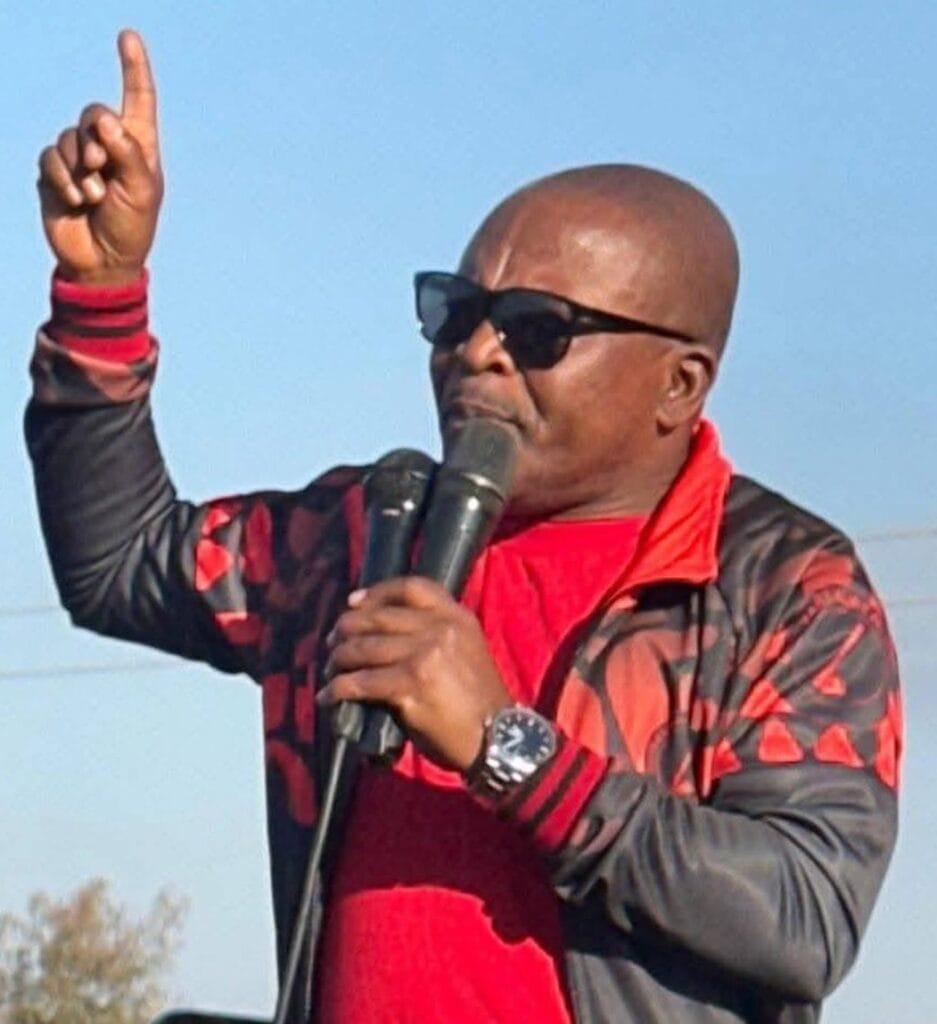
Vice President Michael Usi, running on the Odya Zake Alibe Mulandu (OZAM) ticket but excluded from the presidential debates, struck a contrasting tone by launching his Malawi Rescue Plan in a rural village, away from urban fanfare. Usi emphasised self-reliance, promising a leaner civil service, revived ADMARC, affordable fertiliser, and expanded rural health facilities. He tied crime to youth unemployment and vowed to create jobs through start-up programs and community policing. True to his style, he defended his public dancing, saying cultural expression shouldn’t be stripped from leadership.
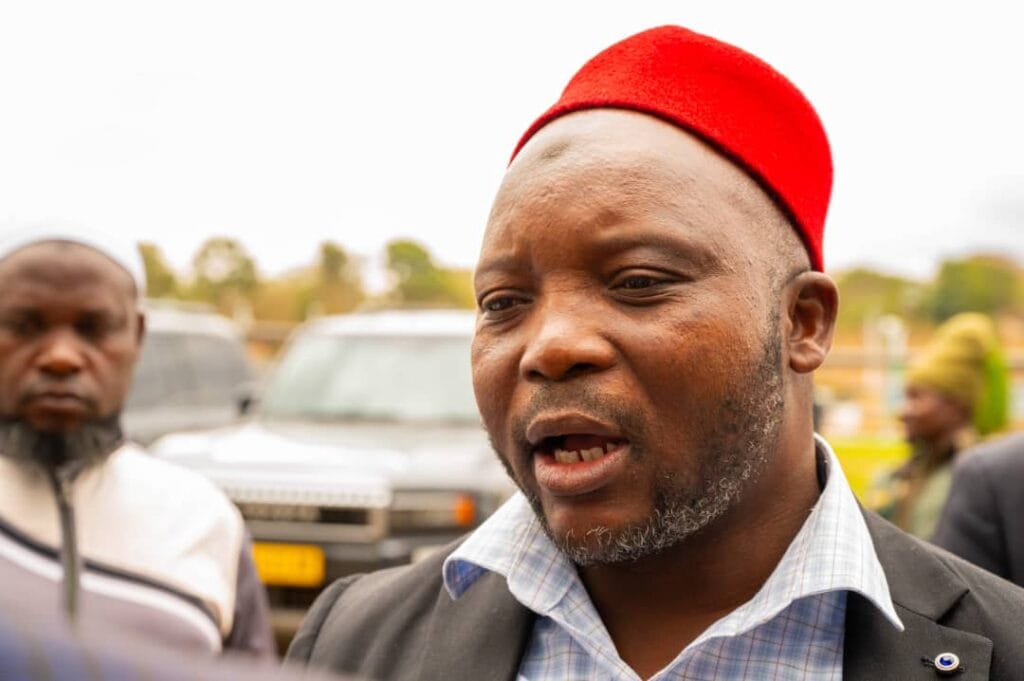
Independent candidate Adil James Chilungo, also excluded from presidential debates, offered bold economic pledges. He promised zero-interest loans through commercial banks, reforms to boost credit access, and promotion of hi-tech farming. Claiming to have worked with the Reserve Bank on frameworks already, he vowed rollout within his first month in office. Chilungo also highlighted his background as an innovator – he produces his own fertilizer – civil servant, and academic, pledging to modernise agriculture and tackle vote-buying practices.
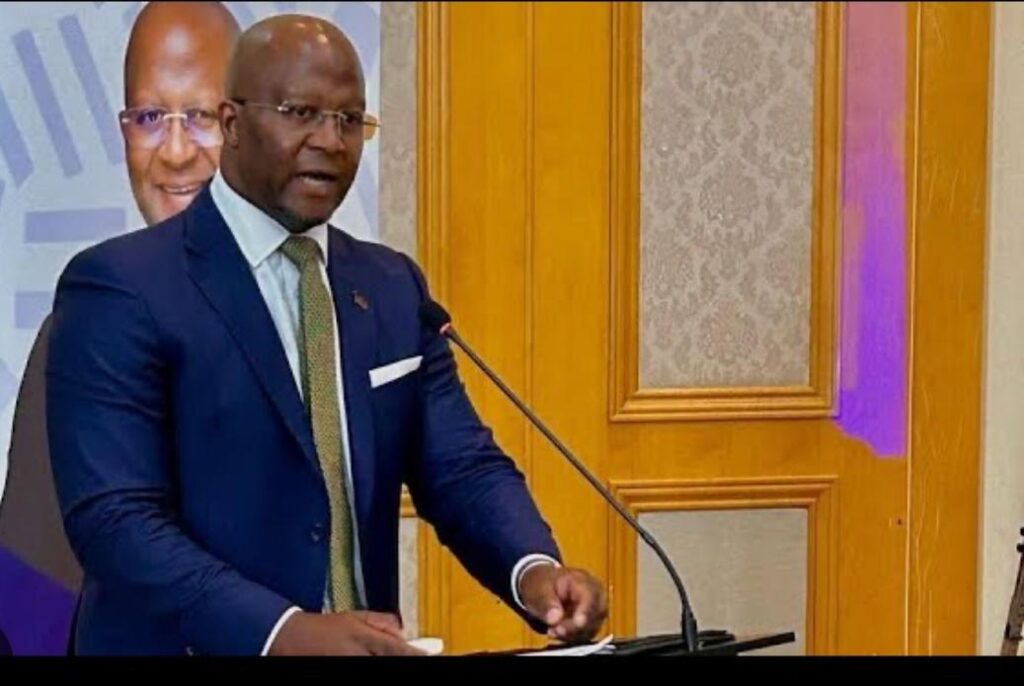
United Democratic Front (UDF) candidate Atupele Muluzi revived memories of the 2019 election, accusing rivals of stealing his votes. While The Forum couldn’t verify his claims, Muluzi insisted his party had mechanisms in place to prevent a repeat. He warned Malawians against re-electing “the wrong team” he blames for high living costs, forex shortages and corruption. Promising to attract international investors in rare earth minerals, he pitched his experience in cabinet roles as proof of readiness to govern.
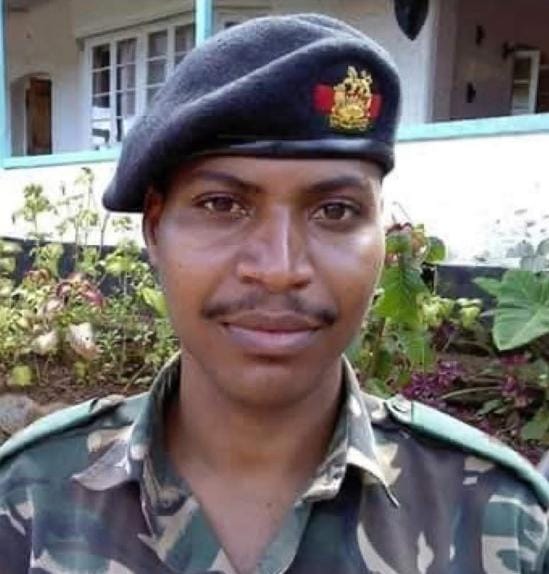
Ex-soldier Phunziro Mvula, another independent who was left out of the presidential debates, pledged a “revolutionary” break with the past. He promised a lean cabinet of 10 ministers, reduced presidential perks, and monthly publication of government spending. Stressing discipline and transparency, Mvula proposed mega farms run by smallholders as shareholders and vowed to recover trillions allegedly stolen by successive governments. He cast himself as a soldier prepared to fight corruption and end decades of waste, saying Malawi’s real deficit is not resources but integrity.
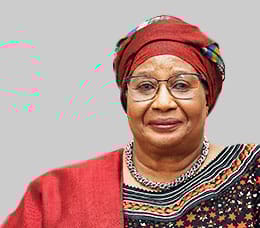
Former president Joyce Banda, the only female candidate, offered her Quick Fix Program as a short-term plan to stabilise the economy. She promised cash-for-work schemes, revived food security measures, fuel supplies, and construction of one million houses for the poor. She pledged youth empowerment through motorcycle businesses, local manufacturing, export labour programs, and scholarships. Banda also promised austerity measures such as cutting presidential salaries and reducing government vehicles, stressing her previous record of stabilising fuel supplies and economic management.
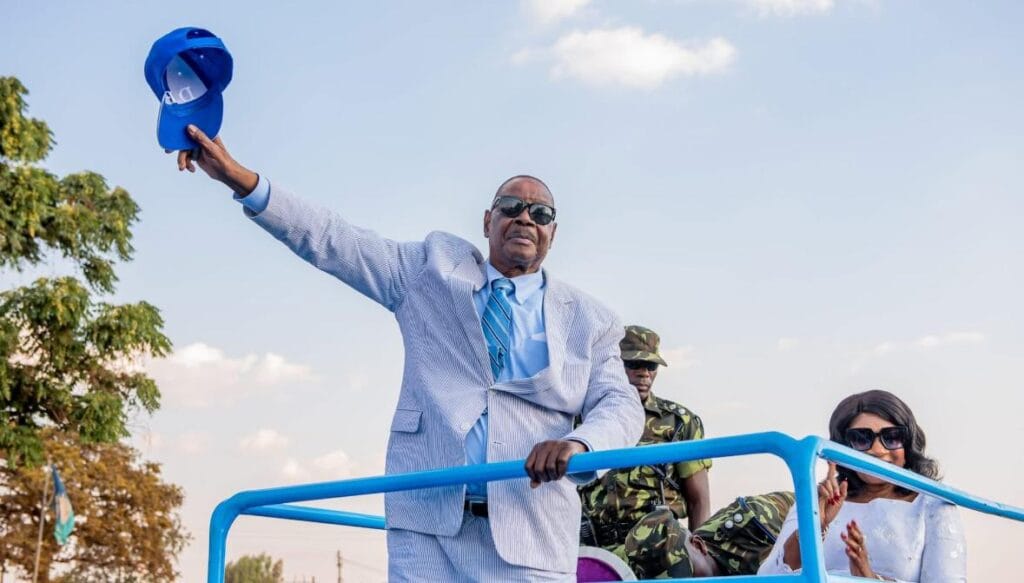
Former president Peter Mutharika, 85, has brushed aside critics who branded him a “granny,” insisting that age is no barrier to leadership and promising to deliver a full five-year term if elected. He rejected suggestions that he would step aside early, describing such claims as “madness,” and urged rivals to focus on policy instead of insults. Mutharika blamed Malawi’s worsening economic woes on the governing alliance, saying the UTM and MCP squandered the gains of his presidency, and pledged to restore stability. His re-entry into active campaigning, marked by large rallies and new alliances with other parties has revitalized the Democratic Progressive Party and put him back at the center of the September 16 race.
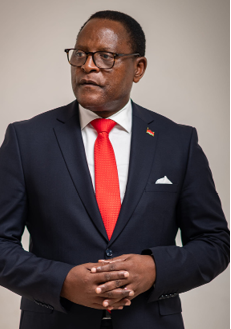
Meanwhile, incumbent President Lazarus Chakwera of the Malawi Congress Party (MCP) has defended his administration against critics by blaming natural disasters and global economic turbulence for the hardships Malawians face. His rivals, however, argue that corruption, mismanagement, and misplaced priorities are at the heart of the crisis. porn leaks YUITop 0.05
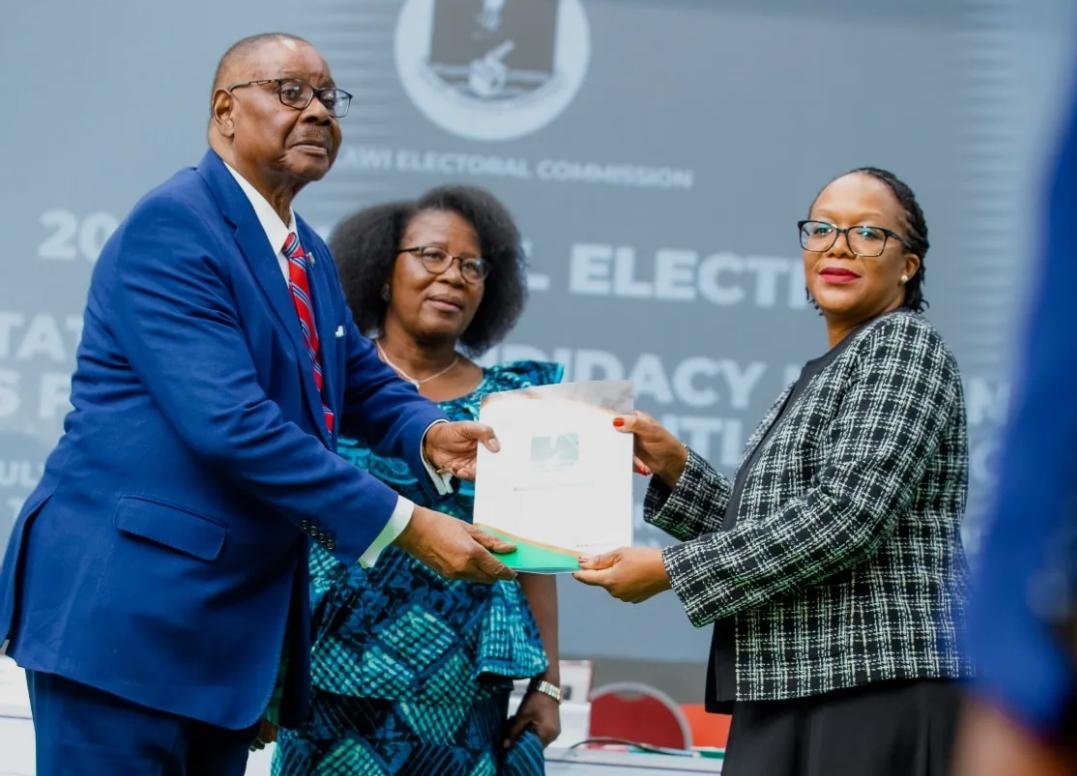
Amidst these competing arguments, MEC chairperson Justice Annabel Mtalimanja reassured Malawians that the Commission is prepared. She said ballot distribution, staff deployment, and pre-checking of polling materials were underway, and warned against any campaigning after the legal deadline. Mtalimanja also welcomed a September 11 court ruling allowing MEC to use Elections Management Devices (EMDs) by Dutch firm Smartmatic. The court found no legal barrier to electronic transmission of results provided manual and electronic tallies are reconciled.
“The judgment did not place manual results above electronic results,” Mtalimanja stressed, promising transparent announcement of winners only after verification of both sets.
As Malawians prepare to cast their votes, the choices before them reflect a mix of continuity and change, experience and innovation, caution and bold experimentation. Whether through Mutharika’s promise of seasoned leadership and restored stability, Kabambe’s economic fixes, Usi’s people-centred rescue plan, Chilungo’s tech-driven credit reforms, Muluzi’s anti-theft safeguards, Mvula’s military-style austerity, or Banda’s quick recovery blueprint, the ballot offers Malawians sharply different paths for the future.
The outcome will depend not only on campaign promises but also on voter trust in MEC’s ability to deliver a credible election free of fraud and violence. For now, one thing is certain: Malawi’s political destiny rests in the hands of its citizens on September 16.
Thank you for taking this ride with The Forum. This journey is only starting, but for now, that’s a wrap!