
By Edwin Mauluka
The Government of Malawi has secured a US$45 million facility from the World Bank, part of which will be used to purchase 200,000 metric tonnes of maize from Zambia under a government-to-government agreement.
The funding comes as the country faces a worsening food crisis, with about four million people in need of urgent humanitarian assistance. Earlier this week, Malawi and Zambia signed a US$77 million maize supply deal, with Lusaka expected to begin deliveries within the agreed timeframe.
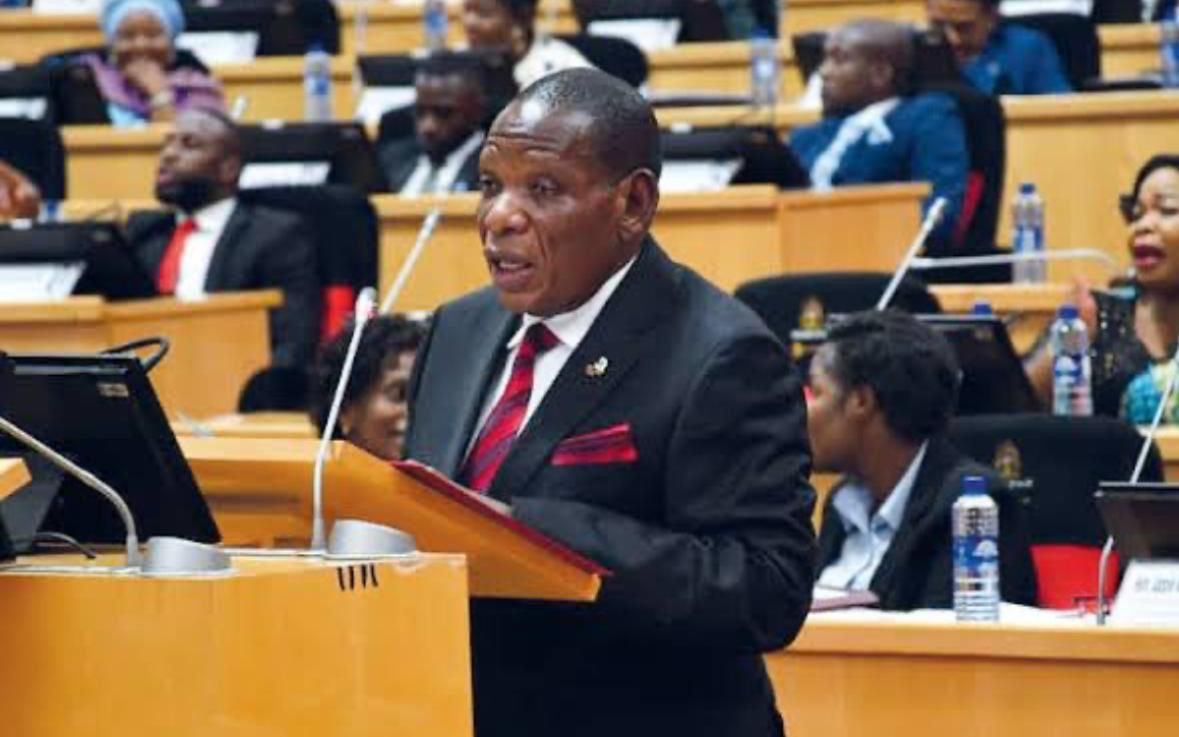
Speaking in Lilongwe on Friday after meetings with the World Bank and International Monetary Fund (IMF), Finance Minister Joseph Mwanamveka confirmed the commitment, saying the funds would be released immediately.
“The World Bank has committed to make the funds available immediately,” Mwanamveka said. “The maize procurement will follow both World Bank and government procedures.”
In addition to the World Bank’s support, the International Fund for Agricultural Development (IFAD) has pledged US$3 million, while the Government of China has offered a similar amount to support Malawi’s purchase of rice and other food commodities.
Earlier this week, Chinese Ambassador Lu Xu announced Beijing’s commitment to provide grain and fertilizer to strengthen Malawi’s food security. She also confirmed that China would cancel US$20 million of Malawi’s debt, extend repayment to 48 years, and remove tariffs on Malawian exports to China.
Mwanamveka further disclosed that the new administration had inherited a public debt of K21.6 trillion, up from K4.1 trillion in 2020 under the previous Malawi Congress Party government. He said the Mutharika government would implement austerity measures, including reducing the fleet of high-fuel-consumption vehicles, limiting foreign travel, and cutting unnecessary procurement.
He added that these steps were aimed at restoring fiscal discipline and stabilizing the economy.
“We want to maintain at least three months of import cover and bring down inflation,” Mwanamveka said.
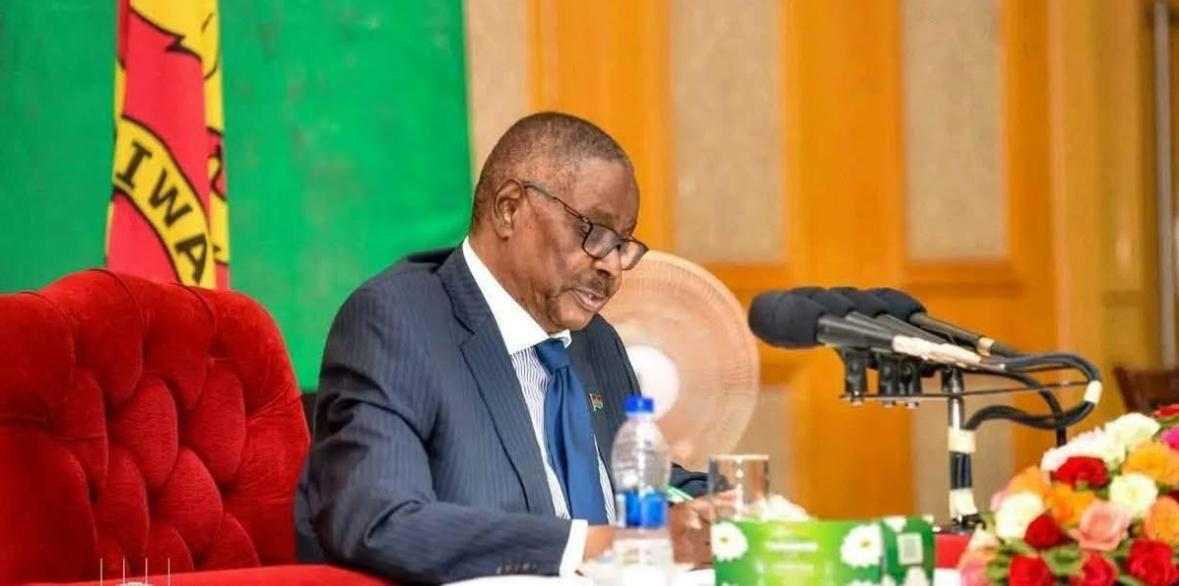
President Peter Mutharika has also endorsed an austerity plan, directing the civil service to prioritize virtual meetings over physical ones to reduce costs.
“Malawi is a country of endless meetings,” Mutharika said after his re-election, adding that many of them achieve little.
Mutharika, a former law professor who spent several decades abroad before returning to serve as cabinet minister and adviser to his late brother and former President Bingu wa Mutharika (2004–2012) said virtual meetings would help curb unnecessary government expenditure.