
By Edwin Mauluka
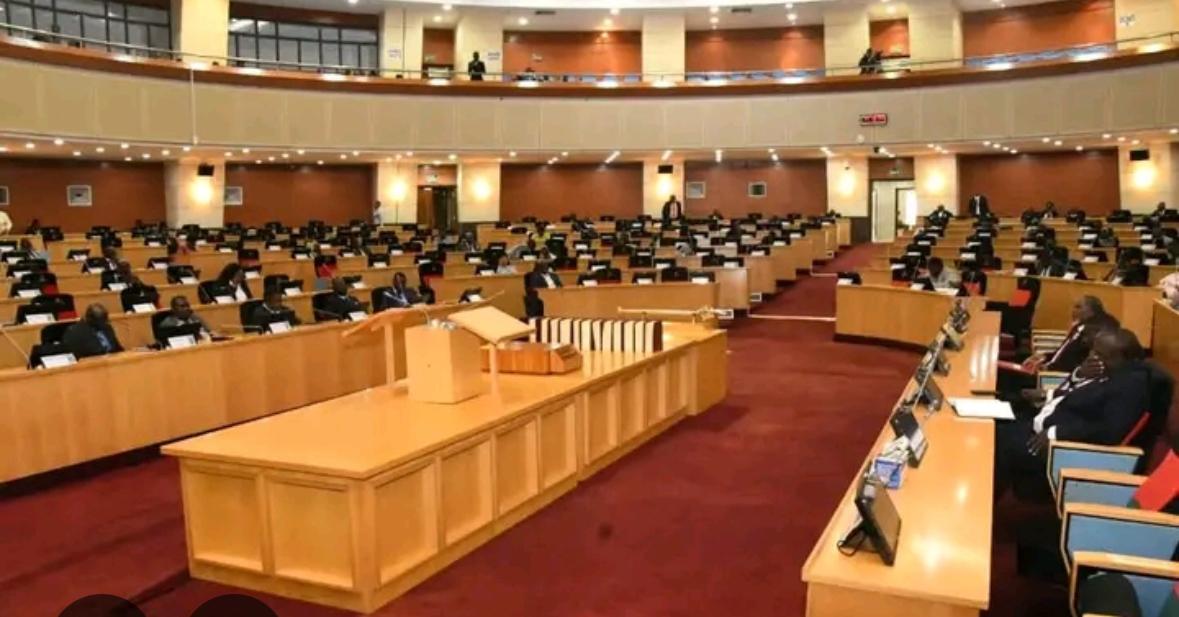
The Malawi National Assembly has adopted a report recommending the enactment of a statutory framework for the National Economic Empowerment Fund Limited (NEEF), in a move aimed at strengthening accountability and curbing political interference.
The recommendation follows an oversight engagement between the Parliamentary Committee on Commissions, Statutory Corporations and State Enterprises and NEEF management as part of efforts to track the use of public funds.
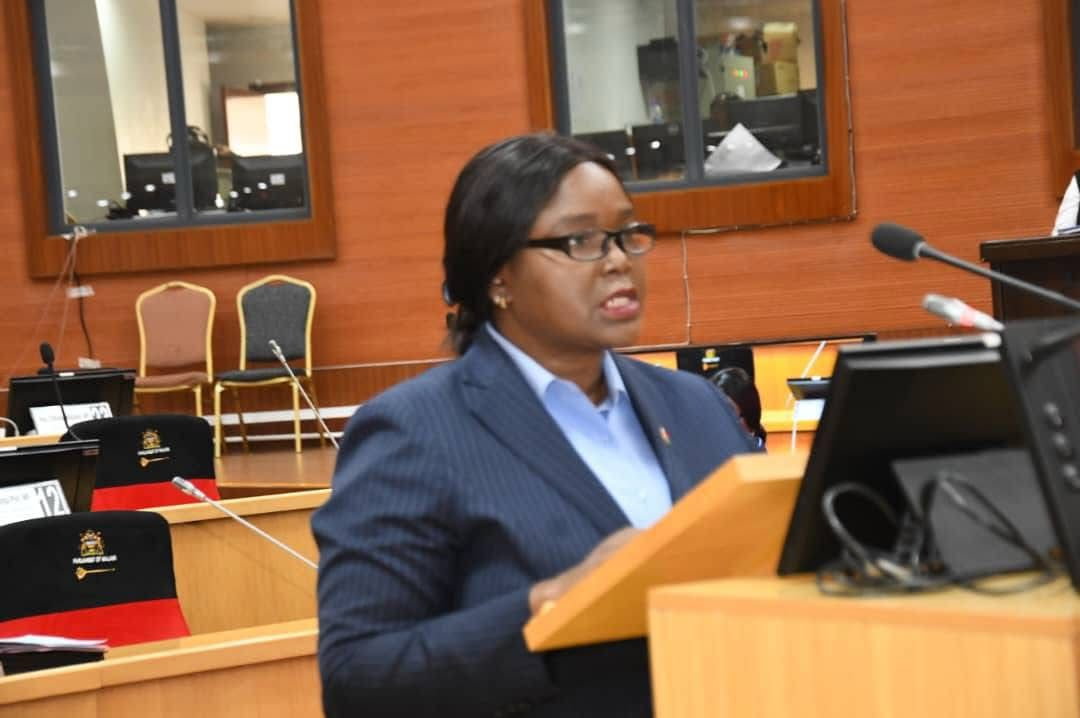
Presenting the report, Committee Chairperson Silvester Ayuba James said the committee found that NEEF had strayed from its core mandate of empowering ordinary and underserved Malawians due to political interference.
“The acknowledgement by management that politicians accessed NEEF loans represents a fundamental breach of the fund’s mandate,” James said, revealing that some cabinet ministers and legislators benefited from the loans, undermining the institution’s credibility and developmental impact.
He noted that loans were disbursed to large-scale farmers and politically connected individuals on political grounds, contributing to high default rates and weakening the fund’s financial sustainability.
“The committee is greatly concerned that NEEF’s establishment through a presidential directive rather than an Act of Parliament makes it vulnerable to political control,” James said. “This weak legal foundation has allowed it to be perceived as a political tool rather than a professional development finance institution.”
To address this, the committee recommended legislation to formally establish NEEF as a statutory body, clearly defining its mandate, governance structures and safeguards against political interference.
It further proposed that NEEF be removed from the Office of the President and Cabinet and placed under the Ministry of Finance and Decentralisation once the new law is enacted.
The committee also cited costly rebranding exercises, weak due diligence before loan disbursement, regional disparities in loan allocation, poor procurement practices, weak inventory management, rushed asset disposal and loan write-offs that negatively affected repayment performance.
It has recommended suspending asset disposals and called on the Auditor General to conduct a special audit focusing on procurement, storage, inventory and disposal procedures to ensure compliance with public finance laws.
Additionally, the Office of the President and Cabinet has been asked to submit a time-bound implementation plan and provide periodic progress reports to Parliament.
Contributing to the debate, Lilongwe Mpenu MP Eisenhower Mkaka urged members to support the proposed legislation and cautioned against costly rebranding of the institution.
Blantyre North MP Francis Phiso said the problem was not the name change but the failure to ensure loans reach intended beneficiaries. “This should not be a political tool,” he said, urging defaulters to repay the funds.
Mwanza Central MP Felix Njawala said politicisation of the fund denied many youths access to loans, with some applicants never receiving feedback on their applications. He also expressed concern that some MPs accessed NEEF loans instead of using commercial banks.
“As politicians, we must take the moral high ground,” Njawala said, calling for those involved in mismanagement to be held accountable.
Chilomoni–Kabula–Nancholi MP Noel Lipipa echoed the call, proposing tough penalties, including jail terms, for those who abuse taxpayers’ money.
Thyolo Central MP and Minister of Local Government Ben Phiri suggested Parliament should formalise a “name and shame” mechanism for individuals implicated in corruption.
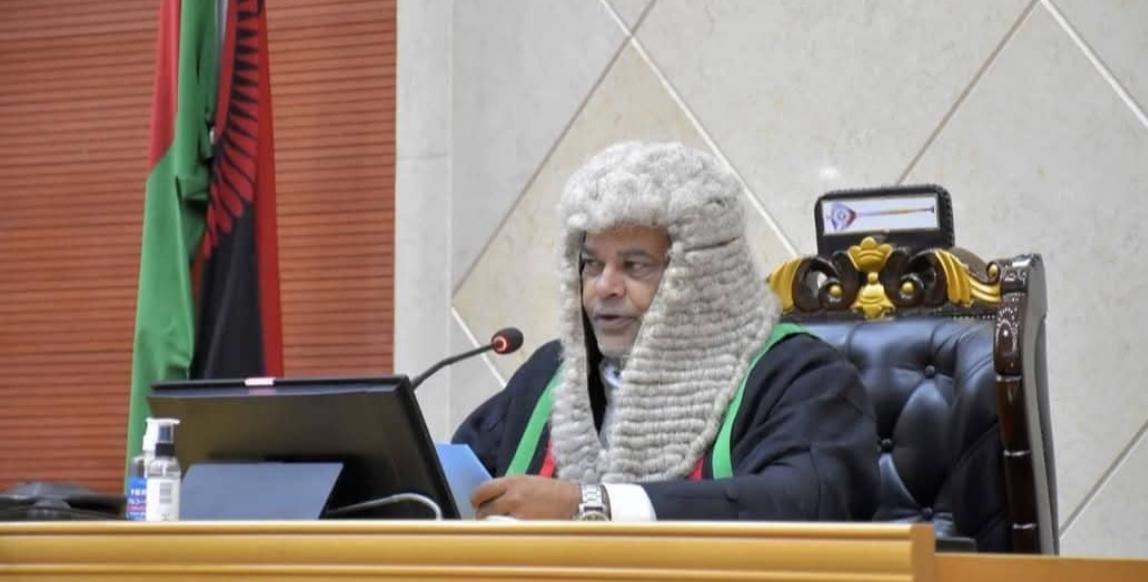
Responding to the proposal, First Deputy Speaker Victor Musowa said if any MPs were found to have benefited from NEEF loans and failed to repay, the matter would be pursued with the responsible minister.
“I will ask the line minister to bring the list of names to this House so that Malawians know who they are,” Musowa ruled.
NEEF is a government-owned microfinance institution registered under the Companies Act of 2013 to economically empower women, youth and persons with disabilities. It evolved from the Malawi Rural Development Fund (MARDEF) in 2005, became the Malawi Enterprise Development Fund (MEDEF) in 2014, and was rebranded as NEEF in 2020.
—
Also Read: Malawi 2025: Mutharika vows to cancel dubious deals; NEEF closed
Related: Mutharika launches accountability drive; benches MBC, MACRA and NEEF Chiefs
Related: Malawi Mega Farms scandal: 938 defaulters named, including politicians