Health advocates push for CDF to fund hospitals, reproductive health, and a National Health Fund
By Edwin Mauluka
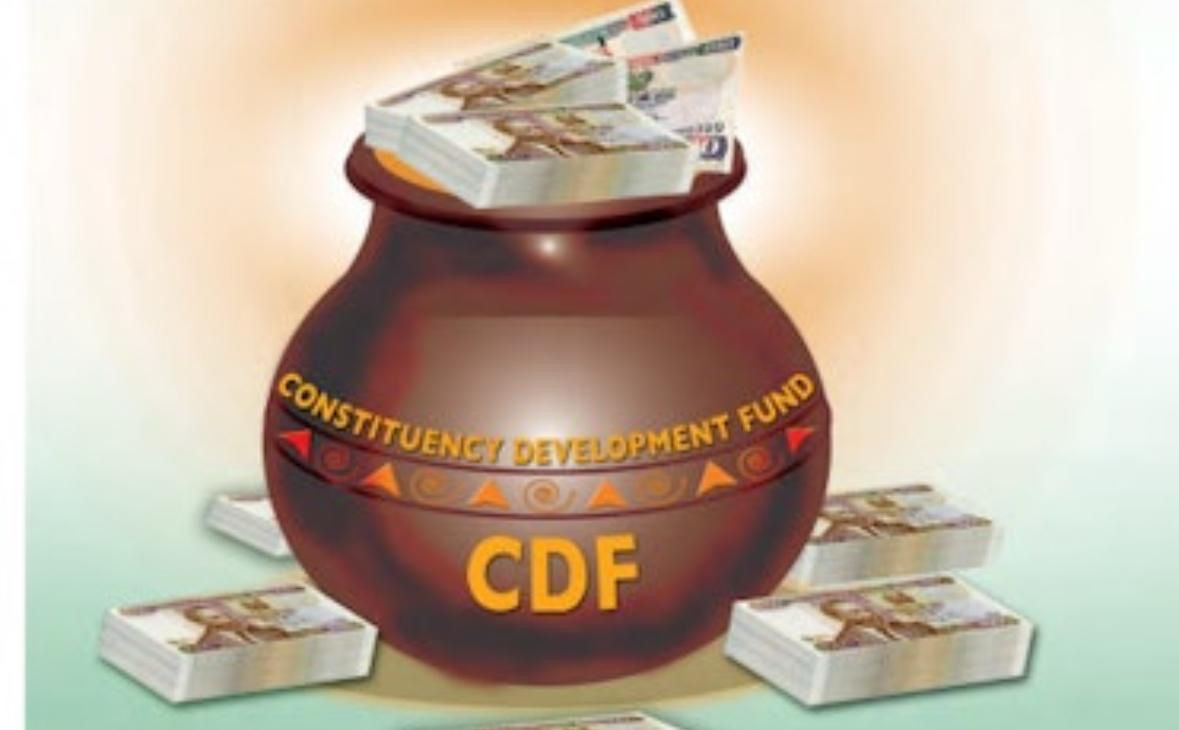
Government has developed new guidelines for the reformed Constituency Development Fund (CDF) aimed at strengthening transparency, accountability, and effective financing of local development projects.
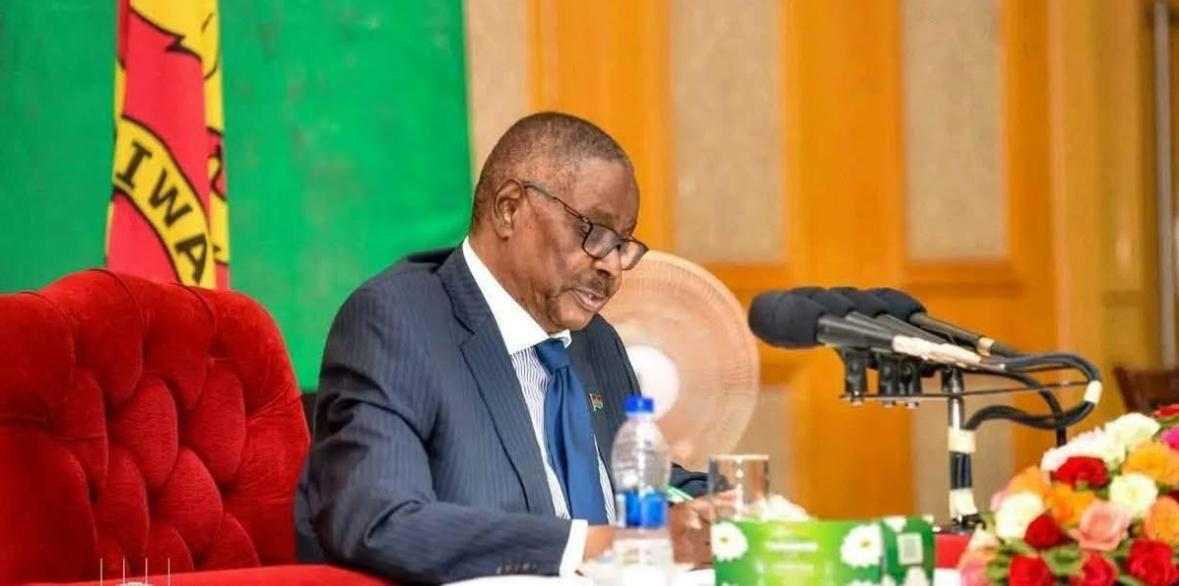
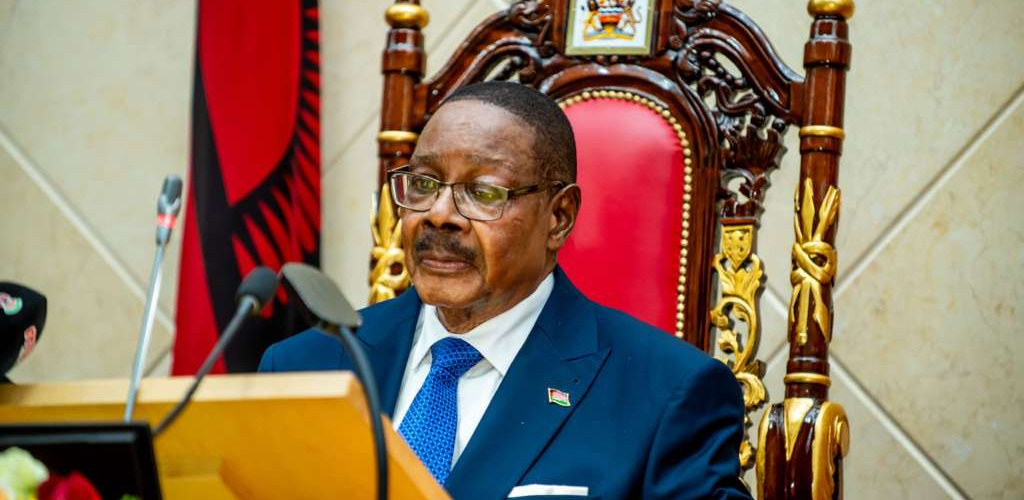
President Peter Mutharika announced the reforms during his State of the Nation Address (SONA) in Parliament on Friday.
“My Government has developed CDF guidelines and will invest in a national CDF digital dashboard to give Malawians real-time access to information,” said Mutharika.
He added that management of the fund has now been shifted to controlling officers in local authorities to enhance oversight and efficiency.
In a major policy shift, the government has increased CDF allocation from MWK220 million to MWK5 billion per constituency annually as part of a broader decentralisation drive.
“These resources are for the benefit of Malawians and are performance-based. I will not tolerate any mismanagement. Those found abusing funds will face the law,” Mutharika warned.
He also called on the National Local Government Finance Committee to strengthen accountability systems and partnerships to ensure councils properly manage public resources.
As part of efforts to accelerate development at the grassroots level, Mutharika announced plans to construct two-storey market buildings in Blantyre, Lilongwe, and Mzuzu during the 2026/2027 financial year, with support from the International Fund for Agricultural Development.
Earlier this year, Mutharika withheld assent to the CDF Constitution (Amendment) Bill No. 2 of 2025, citing the need for stronger accountability, transparency, and fiscal discipline. Mutharika – Members of Parliament had voted to allow themselves to manage the CDF against a High Court ruling – directed the Ministries of Justice and Finance to develop comprehensive guidelines to safeguard the fund’s integrity.
Meanwhile, health sector advocates say the reformed CDF presents an opportunity to address persistent challenges in healthcare delivery.
Health advocate Maziko Matemba said stakeholders are keen to see clear allocations toward health in the upcoming national budget.
“We are encouraged that government intends to use local resources to finance health interventions, including vaccinations and construction of health facilities,” he said.
Matemba noted that Malawi’s health sector has faced funding gaps since 2025 following reduced support from the USAID, which had long been a major contributor.
He said priority areas should include reproductive health, safe motherhood, and the establishment of a National Health Fund (NHF) to ensure sustainable domestic financing.
“Most critical areas we want this fund to support include reproductive health and safe motherhood. It is also our wish that Malawi establishes a National Health Fund to strengthen local resource mobilisation,” he added.
Mutharika said the government has already increased the health budget by MWK17 billion, alongside an additional MWK5 billion for children’s vaccines funded through domestic resources, describing it as unprecedented.
He further revealed that Malawi has secured a five-year grant of US$744 million from the United States to support health service delivery.
On service delivery, the President said drug availability in public health facilities has improved, with adequate stocks of essential medicines for malaria, tuberculosis, and HIV/AIDS.
Looking ahead, he announced that Mzuzu Central Hospital will begin offering dialysis services, while construction of new district hospitals in Blantyre and Chikwawa is set to commence in the next financial year.
—
Also Read: Mutharika blocks CDF Amendment, dealing setback to MPs seeking CDF control
Related: New CDF guidelines allow disaster response expenditure
Related: President Mutharika must veto the CDF Amendment Bill