By Edwin Mauluka
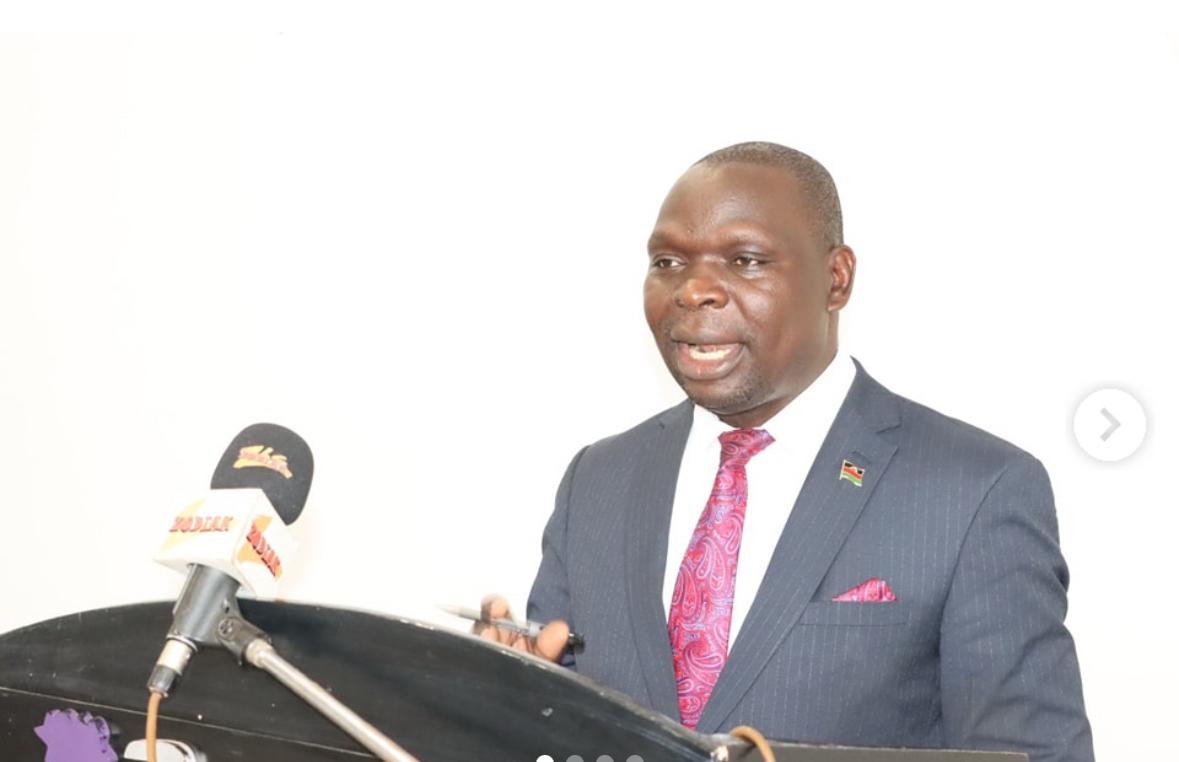
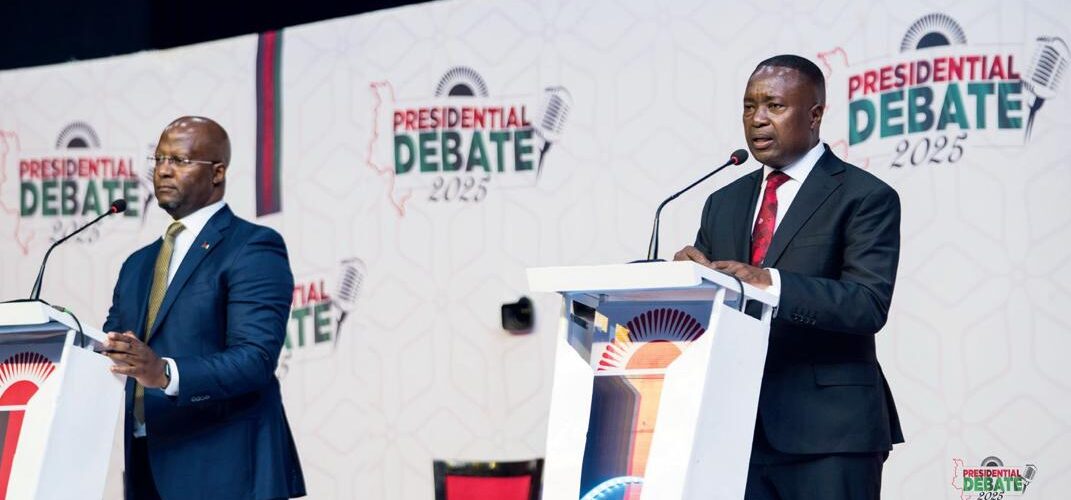
Presidential candidates Atupele Muluzi and Dalitso Kabambe went head-to-head Tuesday night in the second and final 2025 Malawi presidential debate in Lilongwe.
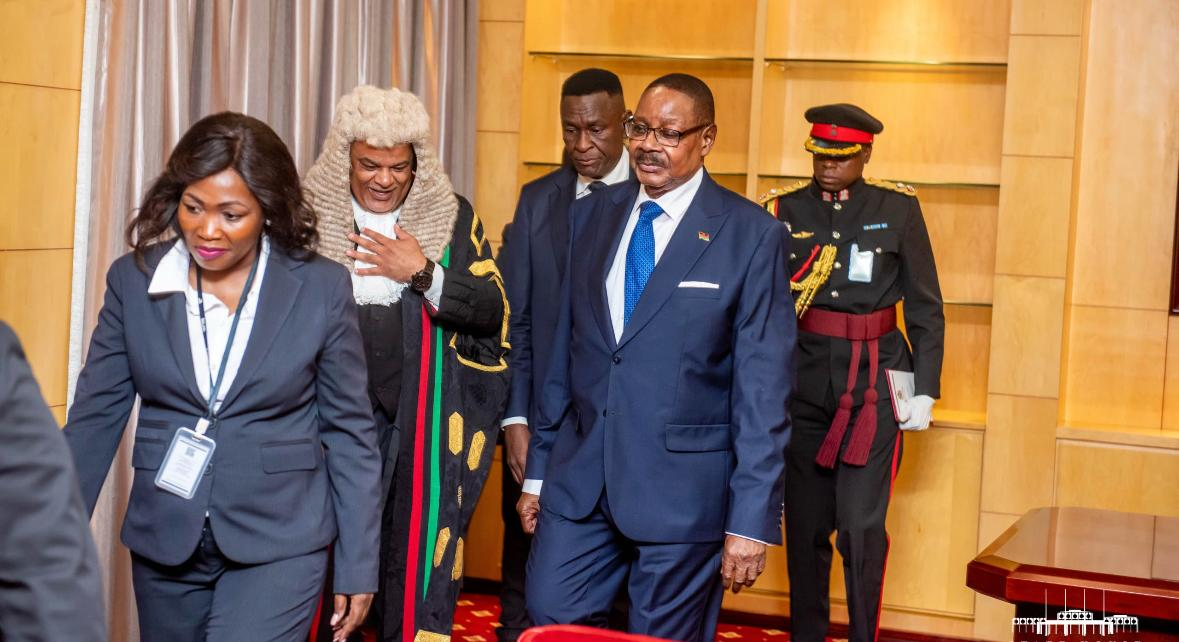
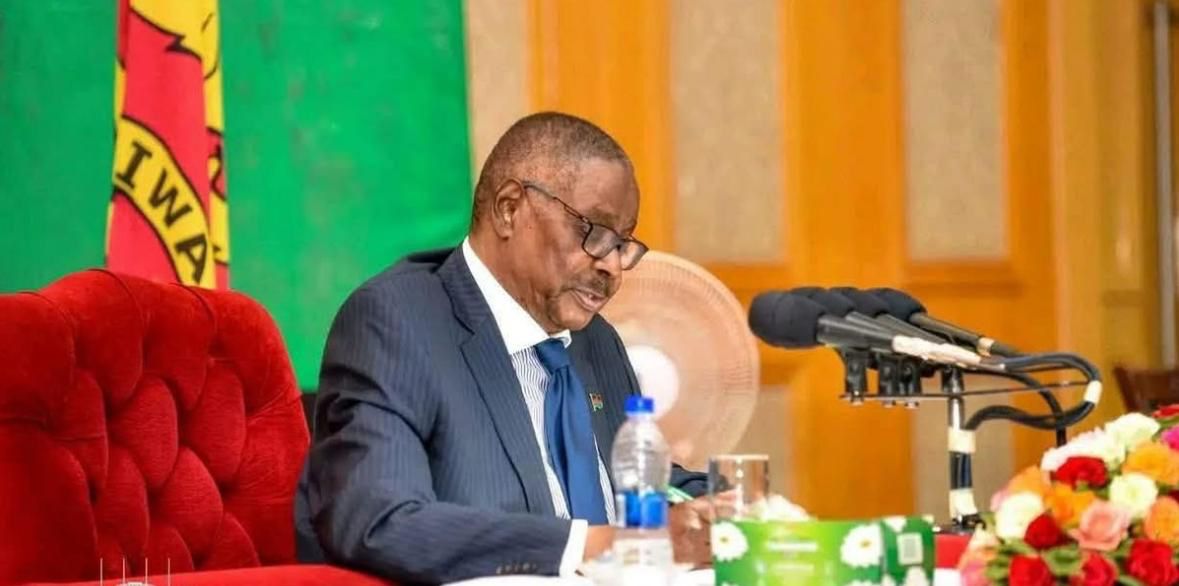
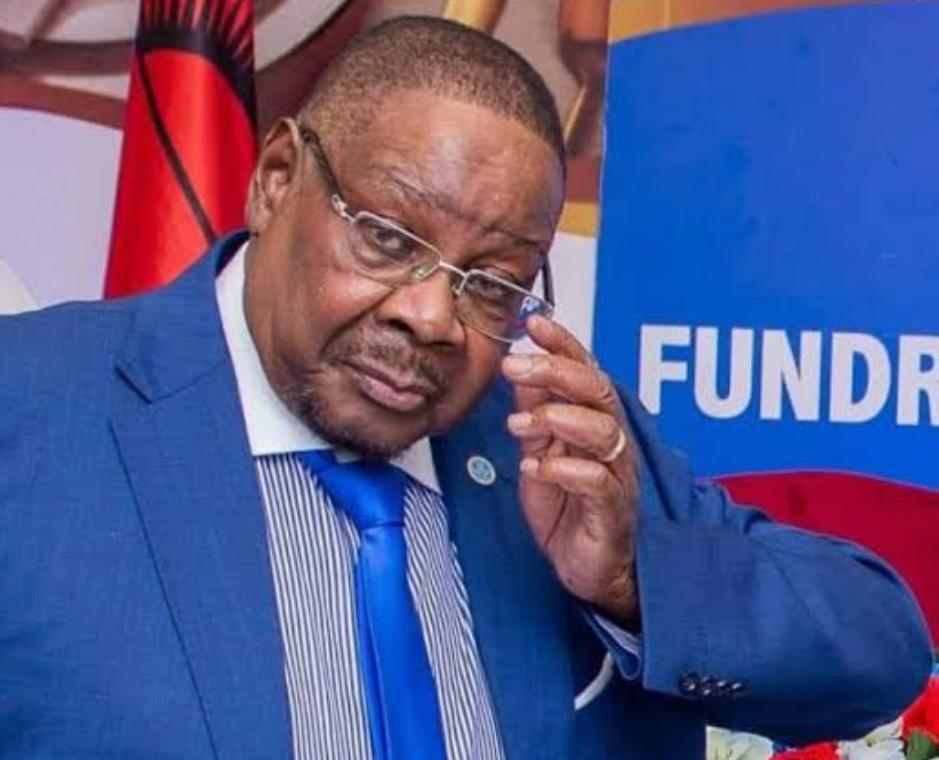
Conspicuously absent were President Lazarus Chakwera and former presidents Peter Mutharika and Joyce Banda. Chakwera and Mutharika skipped both debates; Banda attended the first but missed the second.
With the stage to themselves, United Democratic Front leader Muluzi and UTM’s Kabambe laid out competing visions for Malawi’s future.
Kabambe, an agricultural economist, opened by pledging to fix the ailing economy by boosting production for export and reducing reliance on imports. “Factories shall be reopened and the government will be able to provide development services to the people,” he said.
Muluzi countered that corruption and weak leadership had crippled the economy. “We need new ideas and must start doing things differently. The world has moved from aid dependency to investment and trade. Malawi needs a new development model,” he argued.
On tackling hunger, Muluzi called for an aggressive shift from subsistence farming to commercial agriculture, with macadamia and groundnuts joining tobacco as export earners. Kabambe also stressed diversification. He spoke of “mega farms” that would integrate production, processing, and industry, backed by a promise to build a fertilizer factory within two years if elected.
Kabambe outlined plans for 500 billion kwacha annually in agricultural investment, tied to reliable energy. He argued Malawi must move beyond dependence on hydropower to coal, solar, and biogas. Muluzi agreed energy shortages were crippling, but said investors are deterred by instability and corruption. “The key is to stabilise the economy and create a conducive environment for investment,” he said, warning that universal access to power by 2030 is unlikely at the current pace.
The debate echoed Vice President Michael Usi’s criticisms of the governing Malawi Congress Party. Usi, also a presidential candidate, has highlighted corruption and weak leadership, prompting President Chakwera to issue an apology for his administration’s failures.
On governance, both Kabambe and Muluzi pledged to advance gender equality. Muluzi promised women would make up half of his cabinet and hold at least 40 percent of civil service posts, with expanded access to land and education.
They also addressed foreign relations, regional cooperation, human trafficking, and disaster preparedness.
Appealing to youth, Muluzi said, “They are the ones possessing the new vision for Malawi. When Malawians vote on September 16, they will be thinking about their future.”
While there were some heated exchanges between the candidates, they closed out the debate showing statesmanship and tipped a hat towards one another in appreciation of each other’s credentials.
For Kabambe, this is his first national campaign as party leader. He assumed UTM’s leadership after the death of Saulos Chilima in a plane crash last June. Chilima had entered into alliance with the MCP during the 2020 court-ordered re-run that toppled Mutharika’s DPP. Analysts say Kabambe should not be underestimated.
Muluzi, by contrast, is a seasoned contender. He ran for president in 2014 and 2019, was Mutharika’s running mate in the 2020 rerun, and has held multiple cabinet portfolios under Mutharika’s government.