By Edwin Mauluka
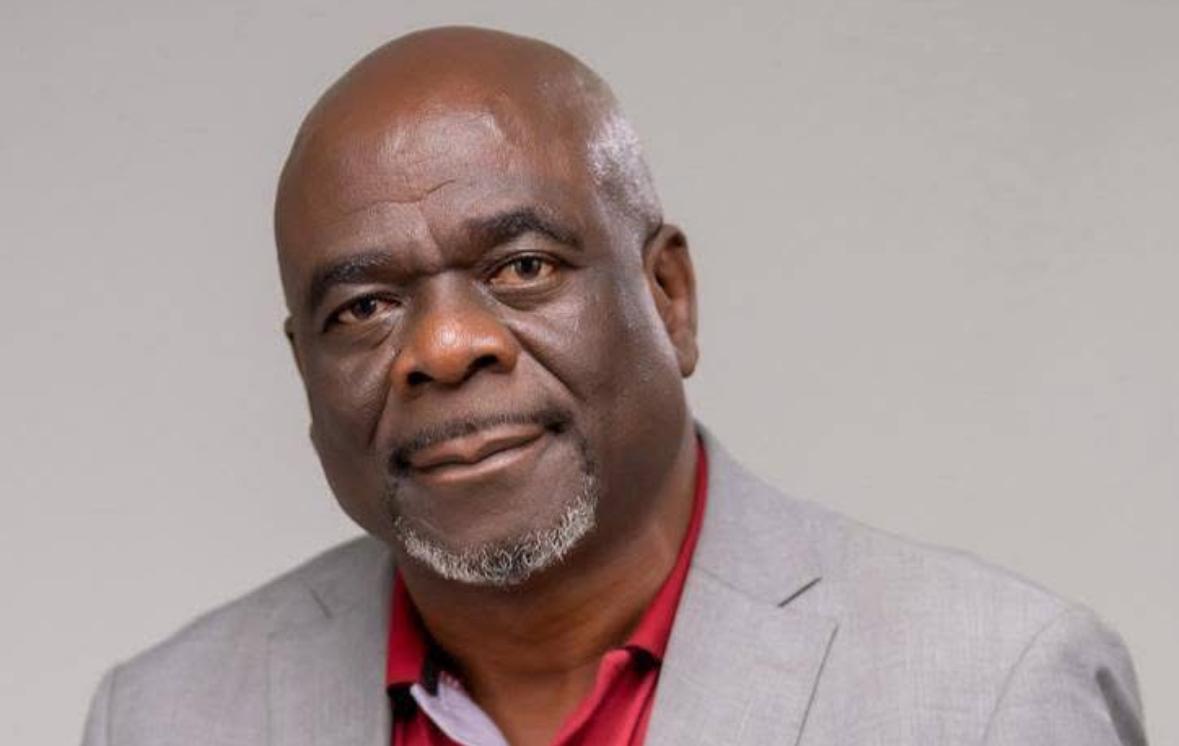
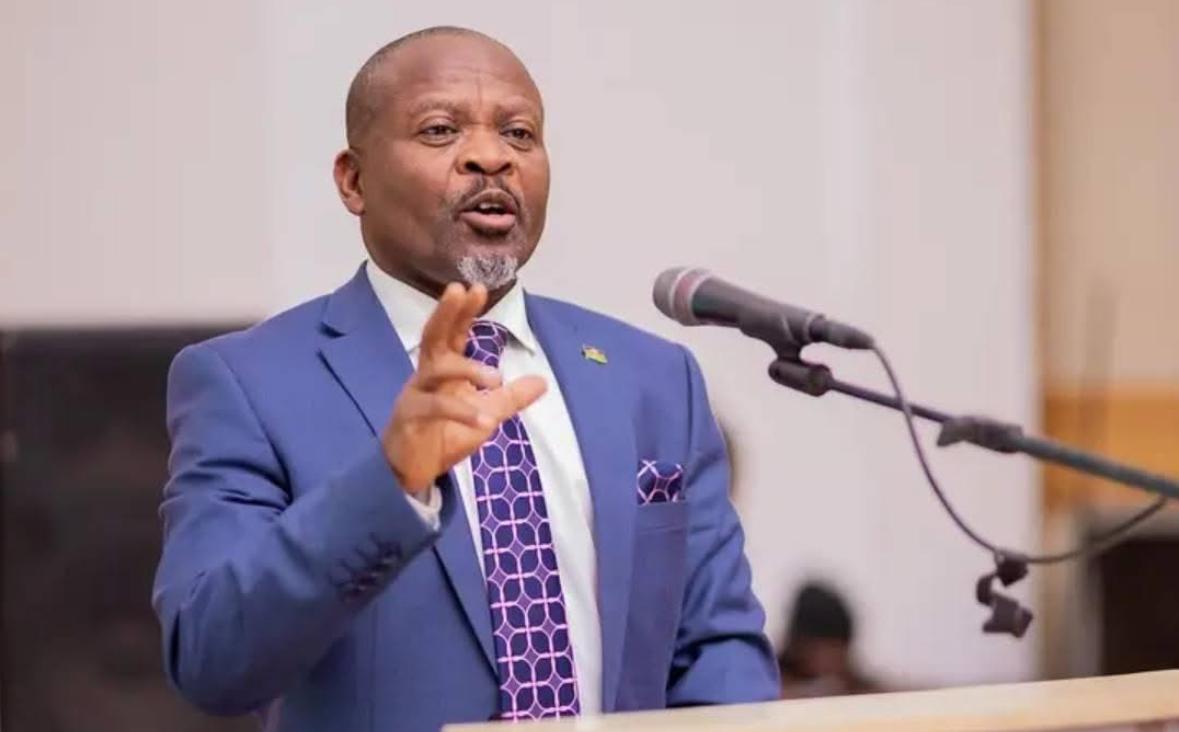
Independent presidential candidate Adil James Chilungo warns that high-interest loans are choking entrepreneurship in Malawi and vows to fix the problem.
If elected, Chilungo promises to compel commercial banks to offer zero-interest loans, easing access to credit for many Malawians. He said lengthy procedures and high interest rates remain major barriers to economic productivity.
“This is achievable because I have already worked with the Reserve Bank of Malawi in developing guidelines for commercial banks to disburse zero-interest loans,” he told supporters. “I also travelled to Nigeria to see how the central bank manages such loans, and it is working there.”
Chilungo said the framework is ready and only needs to be incorporated into the Banking Act and supported politically. He pledged to roll out the program within his first month in office.
Beyond financial access, Chilungo has placed food security high on his agenda. He produces his own organic fertiliser and says he will champion affordable farm inputs, promote local innovators, push agricultural mechanisation, and expand youth skills training.
“When you elect me, I will embrace new technologies that transform people’s lives. My own innovation is proof of that,” he said.
He argued that applying modern technology to farming, adding value to cash crops, and expanding exports would boost foreign reserves and ease Malawi’s chronic fuel shortages.
Chilungo also expressed frustration at being excluded from the presidential debates, saying the process unfairly favoured parties with parliamentary seats. Of 17 presidential candidates, only five were invited. He lodged a formal protest after the first debate.
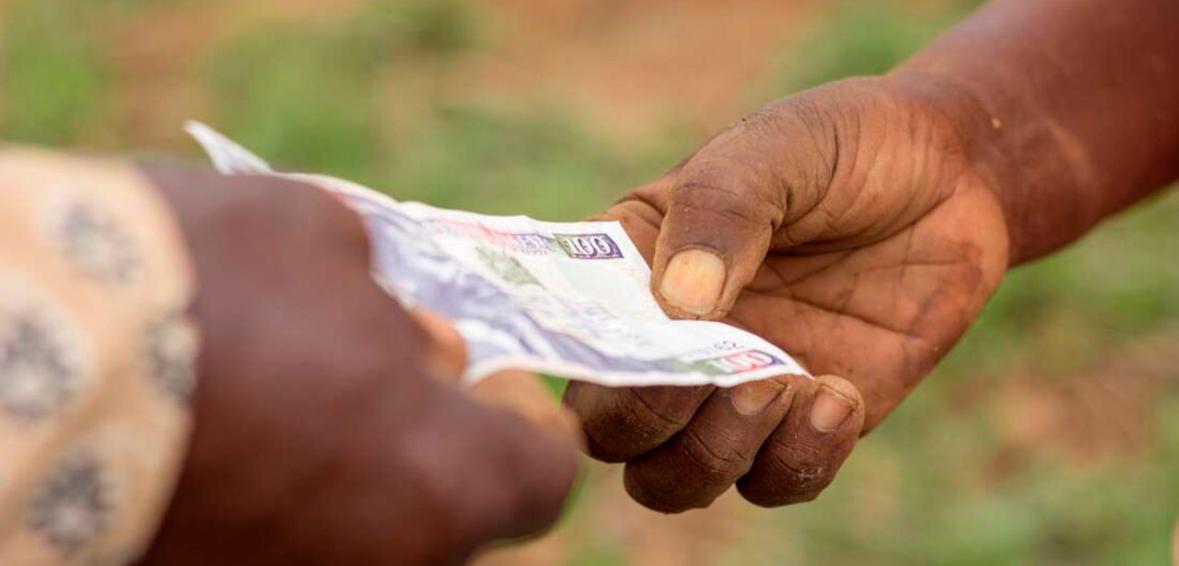
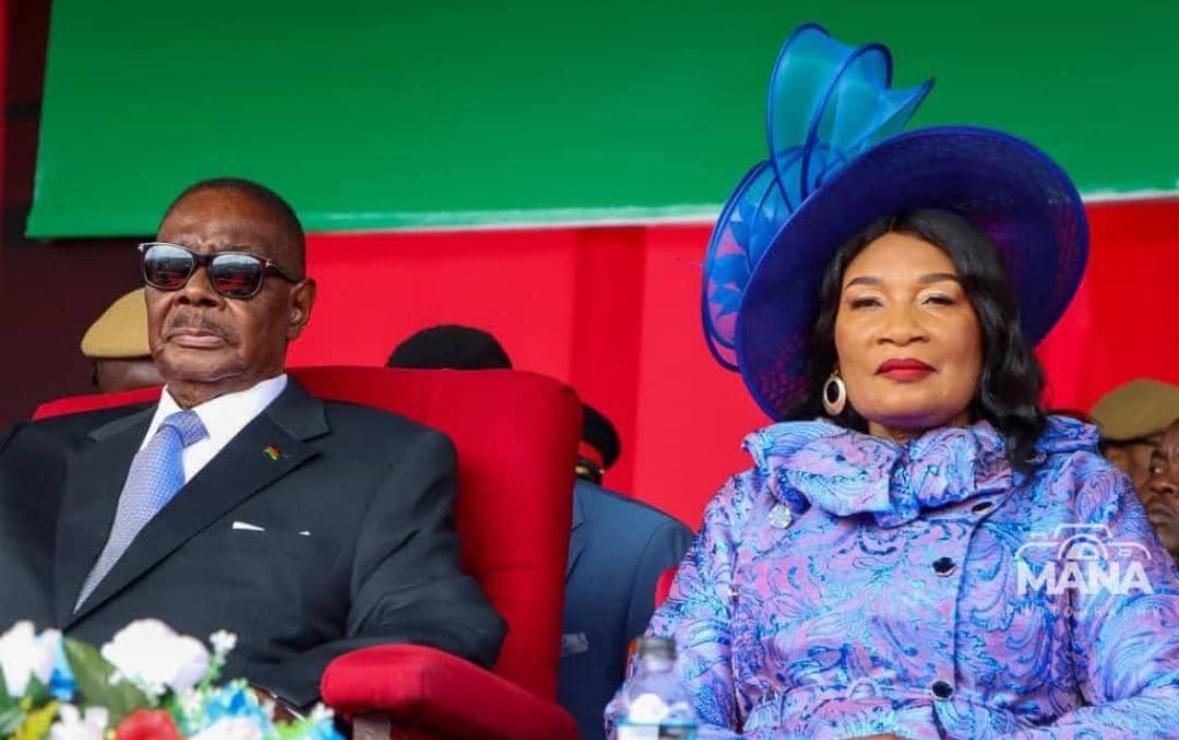
He further condemned rival campaigns for breaking electoral rules through handouts: “Giving people money is nothing but vote-buying,” he said.
Chilungo’s running mate is Mary Mervis Mwalukoso. He holds a BA in Economics and Political Science and an MA in Public Administration. Before entering politics, he worked at the Ministry of Local Government under the National Local Government Finance Committee, later joined UNDP, and taught at the Malawi College of Accountancy and the Malawi School of Government (formerly MIM).