
By Edwin Mauluka
Malawi’s September 16, 2025 elections were about more than politics, they were about survival. For many Malawians, the high cost of living, persistent shortages of essentials, and joblessness drove their choice at the ballot box. Others, disillusioned, stayed away entirely.
With inflation hovering around 30%, food insecurity rising, and electricity supply remaining unreliable, citizens are demanding urgent economic reform as newly elected President Peter Mutharika and Vice President Jane Ansah prepare to take office.
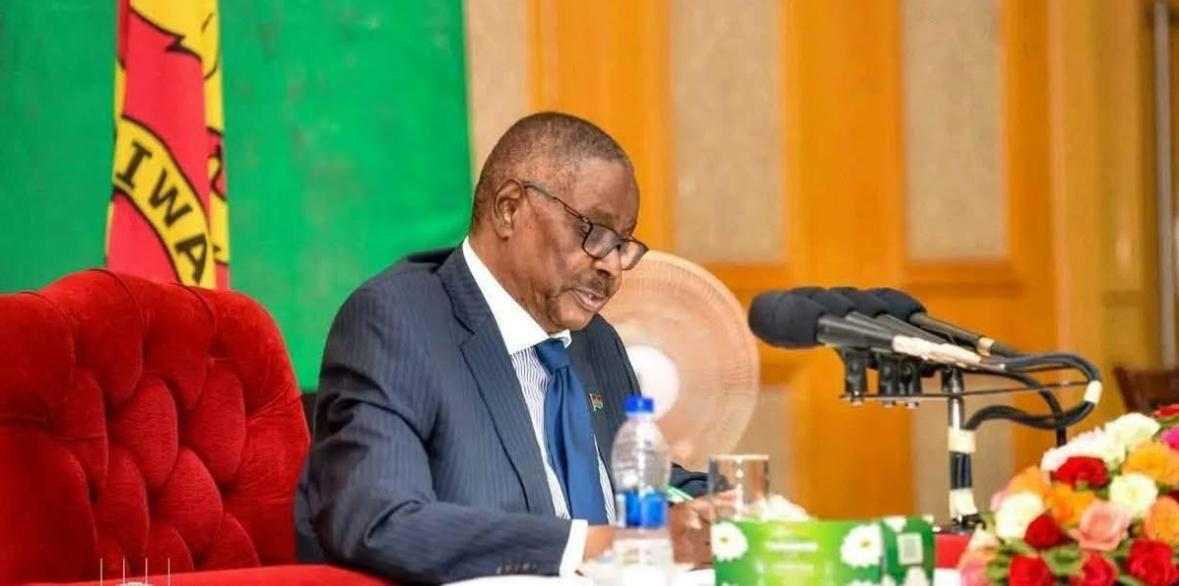
The Malawi Electoral Commission (MEC) declared Mutharika the winner on Wednesday, unseating incumbent Lazarus Chakwera of the Malawi Congress Party (MCP). Out of 17 presidential contenders, Mutharika secured 3,035,249 votes (56.8%) against Chakwera’s 1,765,170 (33%). Voter turnout stood at 76.4%, with 5,502,982 Malawians casting their ballots.
For many voters, the decision was rooted in frustration over rising prices.
“We voted for Chakwera in 2020 with hope that things would be better, but look what happened. Today we have gone back to DPP because the economy has been the major problem,” said Rajab Mwadini, 51, who sells potatoes in Lilongwe.
“Taking care of my family of seven has been a challenge. Prices of soap, sugar, fertilizer and maize are unbearable. A 50kg bag of maize almost hit K100,000. How do we survive?”
In Lilongwe, the declaration of Mutharika’s victory sent crowds into the streets in celebration.
Florence Gilini, 59, who runs a small soft drinks business at Walkers Total Filling Station, joined in.
“Prices were unstable. Today you buy something at K100, tomorrow it’s K300. Soap went from K250 to K1,300. Life became so hard. I hope this new administration stabilises the economy, lowers fertiliser prices, and supports small businesses with loans,” she said.
But not all citizens believe change is coming. Willard Kau, 28, a taxi driver in Lilongwe, chose not to vote at all.
“Things are bad, but I don’t believe voting changes anything. Politicians lie. They promise us a better life but it’s only them who enjoy it. Maybe in a year or two we’ll see if anything changes,” he said.
Kau expressed doubt that Mutharika’s administration would be different from its predecessors.
“Most leaders put personal needs above the public good. When Chakwera was elected, he said coffers were empty. Now Mutharika is back. Will they also say there’s nothing? To us, that means no change.”
For young Malawians, education remains a central hope. Mollen Chimkonda, a Form 2 student at Chiwoko Secondary, said Mutharika’s campaign pledge of free secondary school education has given him and his family hope.
“I hope to go back to school since my parents have been struggling to raise tuition fees,” he said.
Gracian Kamphata, another Lilongwe resident, echoed that sentiment.
“We hope the situation will be different because sugar, soap, and maize were beyond the reach of many people,” he said.
Mutharika is expected to be sworn in within seven days of MEC’s declaration. The Ministry of Information has said the exact date will be announced soon.
For now, Malawians wait — some with hope, others with skepticism — but nearly all with one clear demand: fix the economy.