A party rebuke, a public climbdown and an uneasy reminder of how thin the line remains between loyalty and liberty in Malawi’s political life.
By Patrick Mwanza
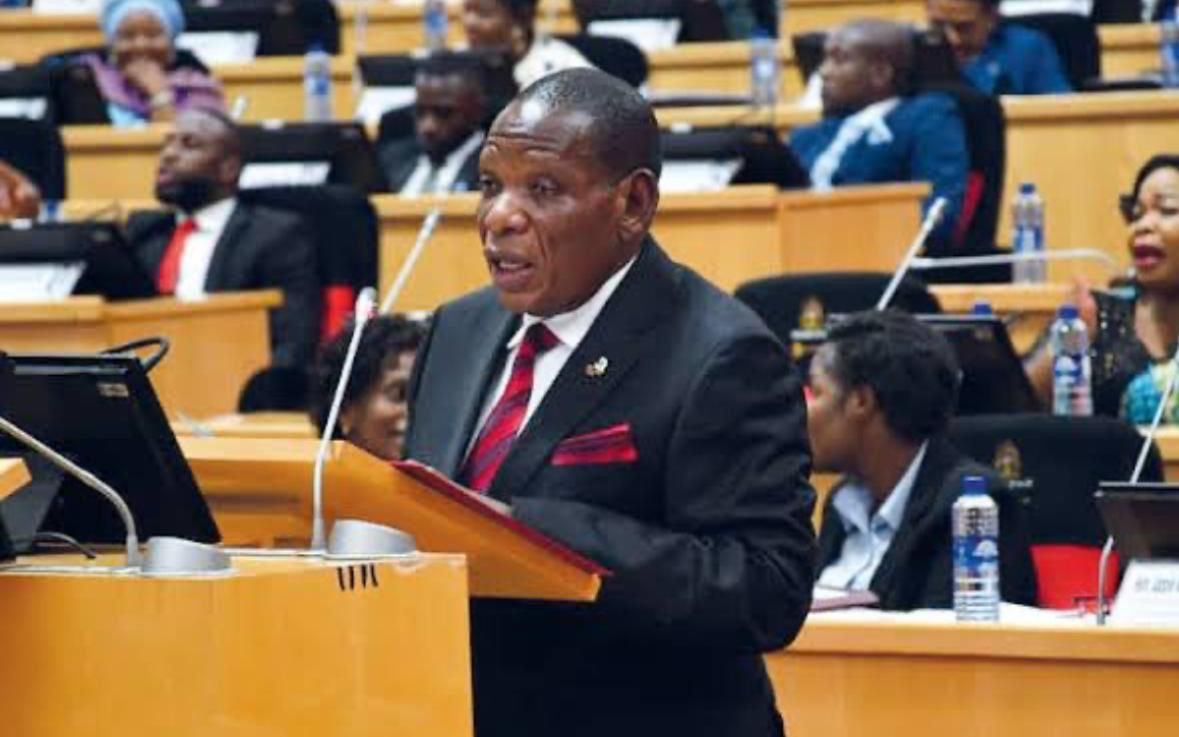
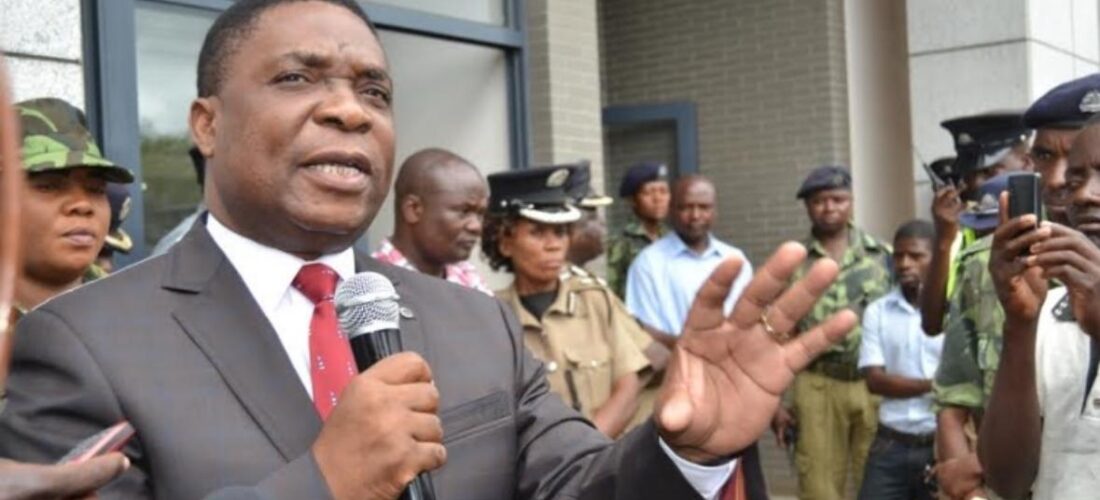
A former parliamentarian once famed for his defiance has bowed to party command. Kamlepo Kalua, a one time crusader for Malawi’s democratic freedoms, has apologised to the Democratic Progressive Party (DPP) for speaking out of turn, after expressing sympathy for Malawi Broadcasting Corporation (MBC) Director General George Kasakula, whose on-air apology to President Peter Mutharika has deepened the country’s debate over media freedom and political power.
Kasakula’s apology, aired Friday morning on taxpayer-funded television without notice, startled the nation.
“I’ve come on TV to apologise to the State President, Professor Peter Mutharika, for all the things I said about him and his candidature,” Kasakula declared, eyes fixed on camera.
For months before the September 16 election, Kasakula had been one of Mutharika’s harshest critics. From Timvetse — a Chichewa current affairs news show meaning Let’s Understand — he derided the 85-year-old leader as “senile” and “too frail” to govern, urging voters instead to keep Lazarus Chakwera, 70, and the Malawi Congress Party (MCP) in power. He accused the DPP of engineering fuel and sugar shortages to discredit the government.
So when Kasakula reappeared on screen to recant, Malawians were quick to suspect coercion. Within hours, the Media Institute of Southern Africa (MISA) Malawi confirmed that “a group of suspected DPP sympathisers” had stormed MBC’s Kwacha studios in Blantyre, forcing him to make the statement and dragging him out.
“MISA Malawi condemns these barbaric and criminal acts in the strongest terms,” the organisation said, urging police to “bring the perpetrators to book.”
It was amid this apparent confusion that Kamlepo Kalua weighed in. A seasoned “troublemaker” who has switched parties more than once, he called for mercy.
“Let us forgive the man who wronged us and move on in unity,” Kalua said, adding that “a party that put the Holy Spirit first” to win the election should not now “put God in disrepute by holding grudges.”
But forgiveness, it seems, was not the party line. The DPP issued a sharp rebuke, declaring that Kalua had “expressed solidarity with MBC’s Director General in his personal matters” and “did not speak for the party.” It demanded an apology, reminding its new recruit that “we do not wash dirty linen in public.”
By Saturday morning, Kalua had complied. “I want to apologise with all my heart to the DPP membership and leadership over what I said after some people went to MBC and did unacceptable things,” he said. “I should have followed established party protocols.”
It was a humbling reversal for a man once regarded as the voice of defiance in the 1990s struggle that ended Malawi’s one-party state. Kalua admitted he was speaking from habit — from the days when dissent was dangerous but necessary.
Even so, he conceded that Kasakula’s campaign criticisms that went too far for some — calling Mutharika “senile” and “unfit for duty” — were, in his words, “horrible.” The DPP, he said, had every reason to be offended.
That offence, however, did little to stop Mutharika’s return to power. In a result that defied predictions, the veteran leader swept back into State House with 56.7 percent of the vote against Chakwera’s 33 percent, promising stability, discipline, and what he called “a clean-up of institutions that forgot their purpose.”
Observers say MBC’s conduct during the campaign remains a test case for that promise. Election monitors faulted the broadcaster for biased coverage and inflammatory commentary, describing its election-period output as “a disservice to taxpayers.” Mutharika himself said after his victory that what MBC did “was improper.”
Meanwhile, the drama around Kasakula continues. Two men arrested in connection with the newsroom incursion were quietly released without charge. In a video clip circulating on social media, the pair, who call themselves “Mutharika’s sons,” a moniker for DPP youth loyalists, thanked the president for their freedom.
For Kalua, the episode may mark another chapter in a long career of speaking, apologising and surviving. For Kasakula, it is a reminder that in Malawi’s public institutions, loyalties shift faster than the news cycle. And for President Mutharika, it is perhaps the clearest sign yet that the battle to reclaim order at the state broadcaster has only just begun.
—
See The Forum Editorial in People’s Forum: The Forum believes the MBC affair offers President Mutharika an early chance to prove that his pledge of institutional reform is not rhetoric but resolve and that public broadcasting can once again serve the people, not the party.