
By The Forum
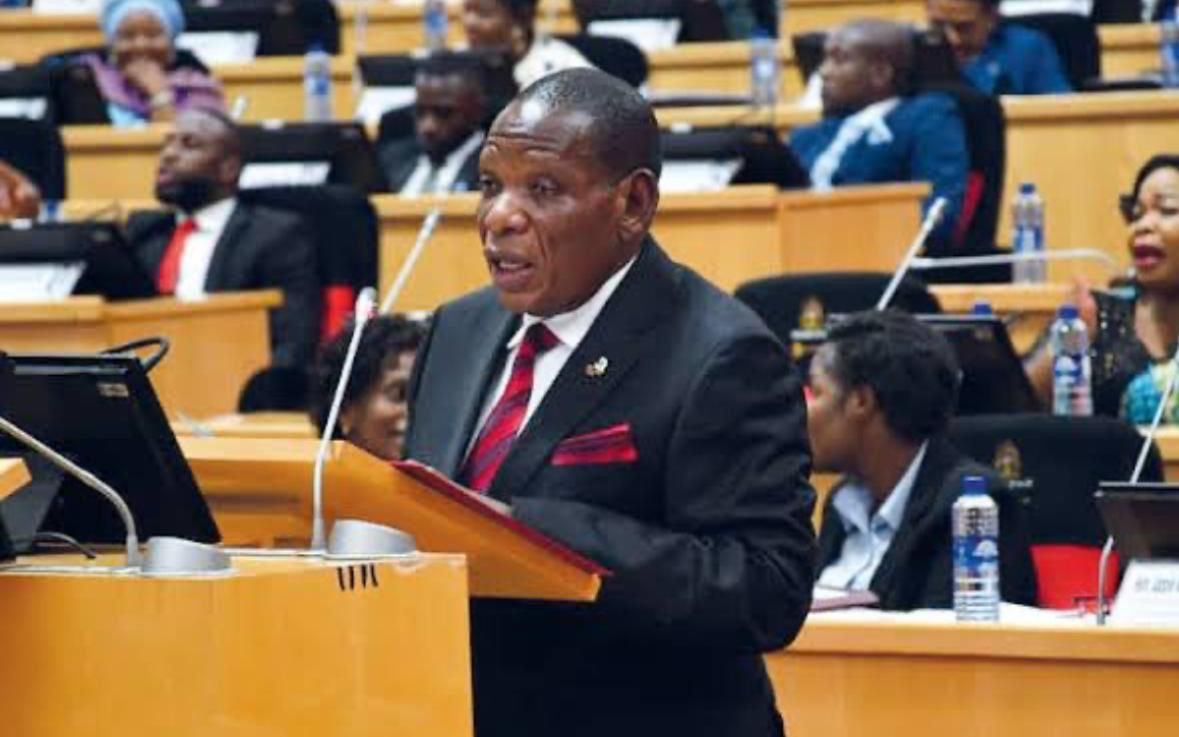
The Malawi government will meet the International Monetary Fund (IMF) on November 5 to discuss a possible new Extended Credit Facility (ECF), Finance Minister Joseph Mwanamveka announced Friday.
The four-year, US$176 million ECF program ended in May this year after the Malawi government failed to complete its required review within an 18-month period, leading to automatic termination. When the facility began in 2023, Malawi had received US$35 million under the arrangement.
Observers noted that Malawi faced multiple challenges during the program period, including weak fiscal discipline, failure to rebuild foreign reserves, stalled debt restructuring, and recurring natural disasters.
Statements for government officials suggested the Malawi Congress Party (MCP) delayed implementing critical reforms ahead of the 2025 elections, fearing austerity measures would hurt voters. The government had anticipated re-engaging the IMF after the polls.
On foreign exchange shortages, Mwanamveka said the government would intensify efforts to trace large volumes of cash circulating outside the formal banking system, a trend fueling black-market foreign exchange trading that distorts the value of the Malawi kwacha. He did not specify how the plan would be executed, and similar efforts by the previous government yielded little impact.
The finance minister also revealed that the new administration had inherited a public debt of K21.6 trillion, a sharp rise from K4.1 trillion in 2020 under the MCP government. He pledged to enforce austerity measures, including reducing the fleet of high-fuel-consumption government vehicles, cutting foreign travel, and curbing unnecessary public procurement.
“We want to ensure we maintain at least three months of import cover and bring down inflation again,” Mwanamvekha said.
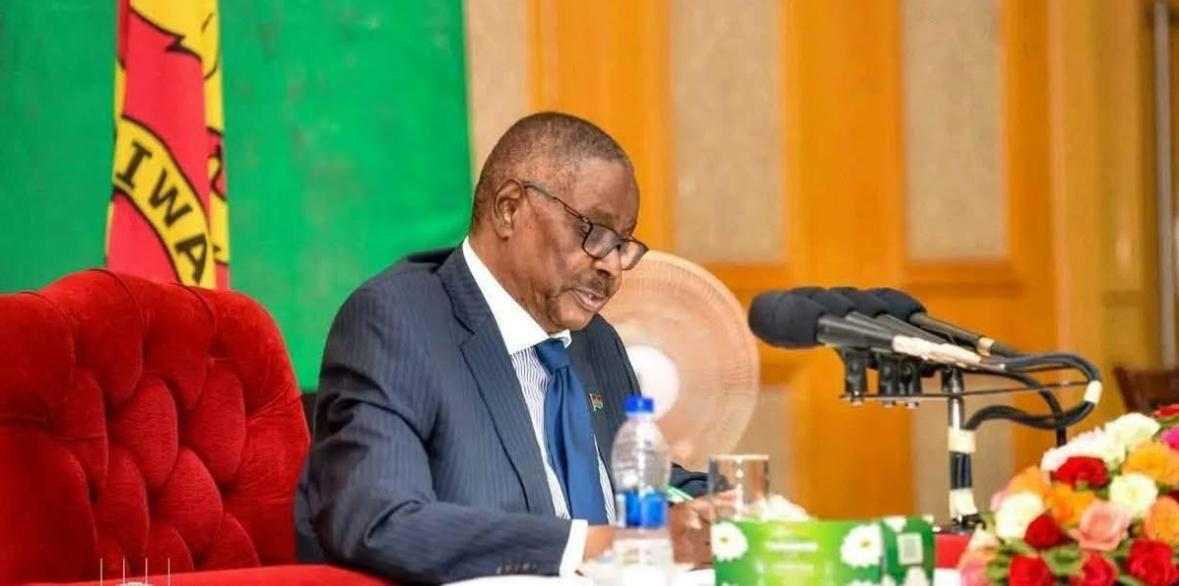
President Peter Mutharika has endorsed the cost-cutting drive, directing the civil service to conduct virtual meetings where possible instead of in-person gatherings.
“Malawi is a country of endless meetings,” Mutharika said following his re-election, arguing that many such meetings achieve little.
Mutharika, a former law professor who spent several decades abroad before returning to serve as an adviser to his late brother, former President Bingu wa Mutharika (2004–2012), said virtual meetings would help reduce unnecessary government spending.