
By Edwin Mauluka
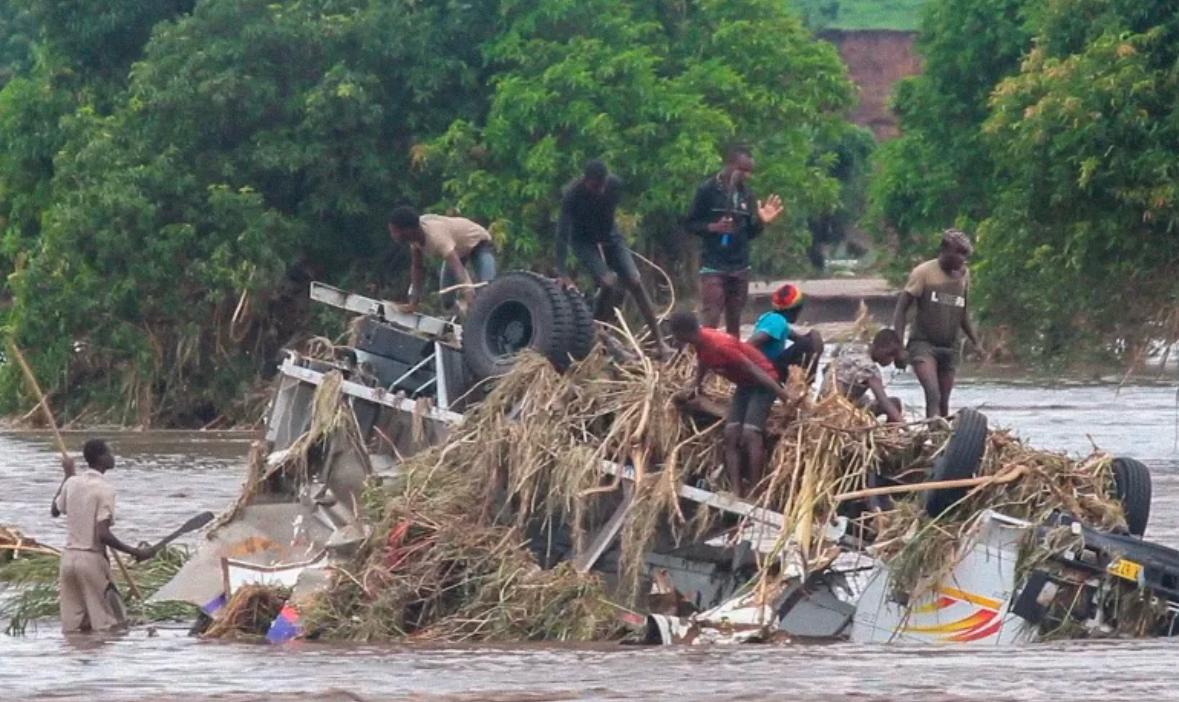
Malawi’s rainfall disaster pattern has shifted dramatically this season, with Nkhotakota District emerging as the epicentre of destruction following devastating floods during the 2025–2026 rainy season.
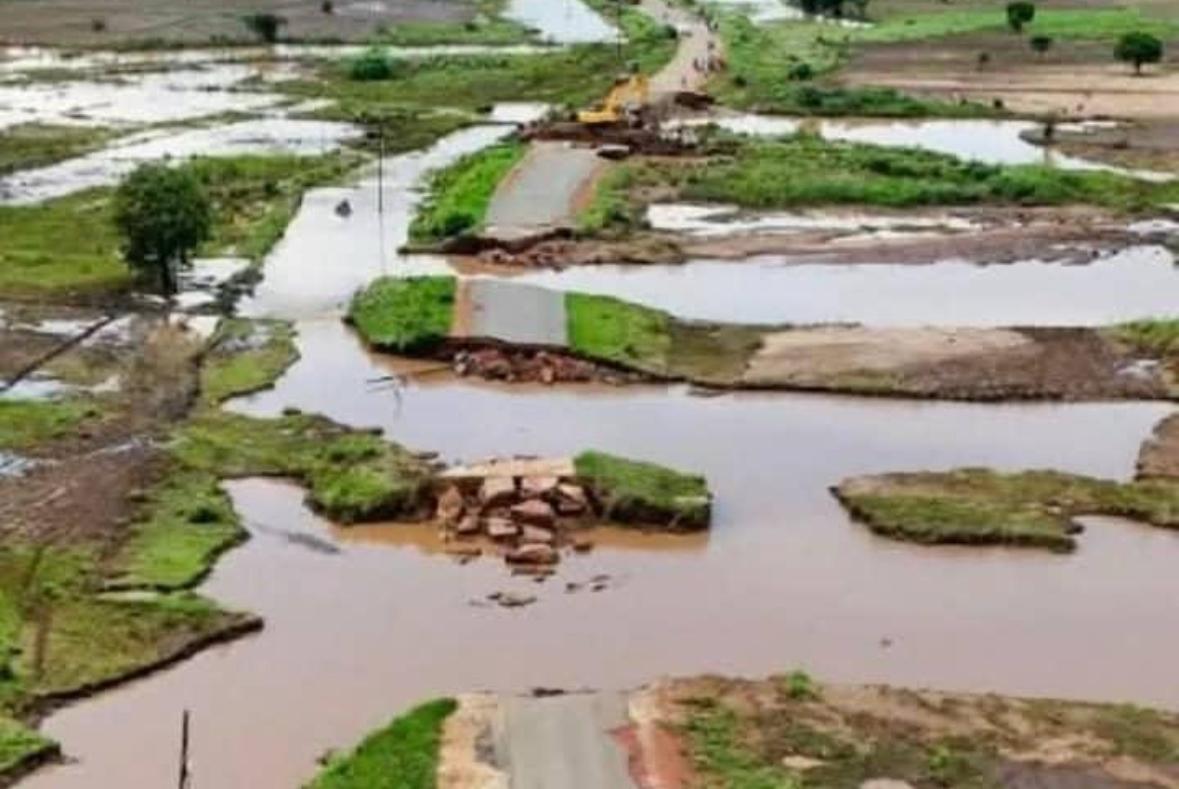
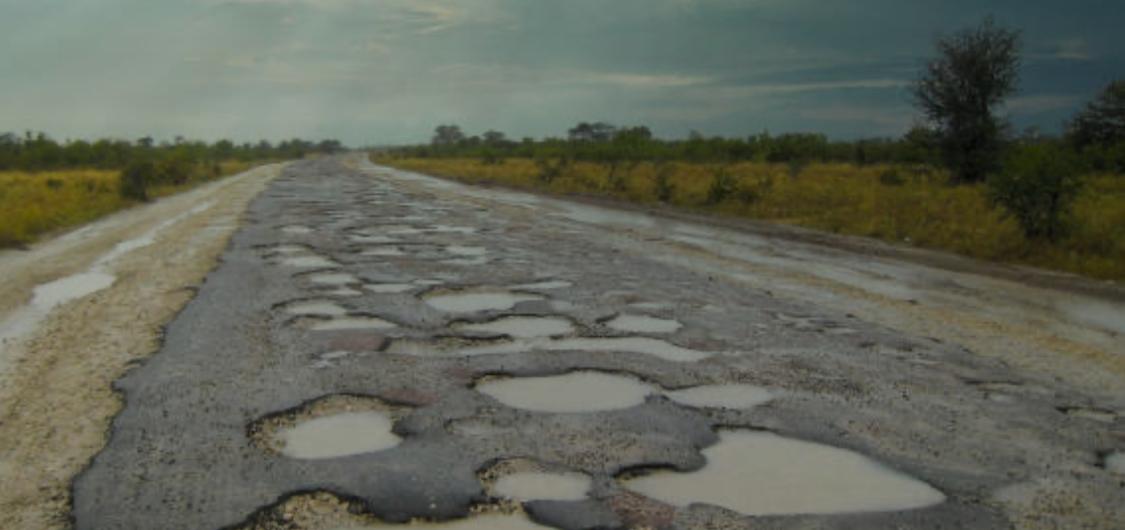
For decades, severe flooding has been largely confined to the southern districts of Nsanje and Chikwawa in the Lower Shire Valley, where lives, livestock and property were routinely lost. This season, however, heavy rains in Nkhotakota have washed away bridges and rendered key roads linking the northern and southern regions impassable.
On January 8, 2026, Commissioner for the Department of Disaster Management Affairs (DoDMA), Wilson Moleni, said that since the onset of the rainy season, disasters—including stormy rains, strong winds, flash floods and lightning—have affected 29 councils nationwide, with Nkhotakota topping the list.
According to DoDMA, a cumulative 35,758 households, representing about 160,011 people, have been affected since September 1, 2025. The department has recorded 36 deaths, 168 injuries and two missing persons.
“Nkhotakota District, which tops the list of affected councils, has registered 10,772 affected households, 11 deaths, 37 injuries and two missing persons,” Moleni said in a statement. “In addition, the council is hosting 2,132 displaced households, representing approximately 9,594 people, in 12 camps.”
Nkhotakota District Council Relief and Rehabilitation Officer, Rhomatchinga Nkhata, told The Forum that assessments show the flooding is being driven by multiple factors.
“Beyond heavy rainfall linked to climate change, the district is affected by poor infrastructure, siltation of the Dwangwa River and other rivers, settlement and farming in flood-prone areas such as wetlands, environmental degradation along riverbanks, and the district’s geographical location,” Nkhata said.
To prevent similar disasters in future, Nkhata said the council is considering improving both public and private infrastructure.
“We want to encourage high-quality infrastructure development that takes into account increasing rainfall due to climate change, so that it can withstand extreme conditions,” she said.
She added that the council is also considering declaring high-risk areas off-limits to settlement, strengthening land-use planning, protecting natural buffers such as wetlands, restoring trees and vegetation along rivers, and raising public awareness on climate change and disaster risks.
“Disaster preparedness is also a top priority. Early warning systems will be intensified to help communities prepare and make informed decisions to save lives and property,” Nkhata said.
Meanwhile, the rainy season is far from over. Weather forecasts from the Department of Climate Change and Meteorological Services (DCCMS) indicate continued threats of flash floods in Nkhotakota and at least 13 other districts.
Senior Superintendent Benjamin Msowoya, Search and Rescue (SAR) Cluster Lead in the Ministry of Homeland Security, said the national SAR team is on high alert and ready to deploy.
“We have communicated with all district search and rescue leads, who are officers in charge of police stations, to remain on standby with their teams,” Msowoya said. “We have also pre-positioned equipment such as engine boats and related accessories to support councils at risk.”
Msowoya urged Malawians to heed early warning messages and advised riverine communities to relocate to higher ground.
“People should avoid crossing flooded rivers and overloading boats, which has proven to be a death trap,” he said. “Any incidents should be reported promptly to the nearest police station, MDF unit or community leaders for quick response.”
He added that between March and December 2025, the SAR team trained Red Cross volunteers, police officers, Marine Department officers and Malawi Defence Force maritime personnel, with funding from the World Food Programme and the Malawi Red Cross Society, and support from the British High Commission through DoDMA.
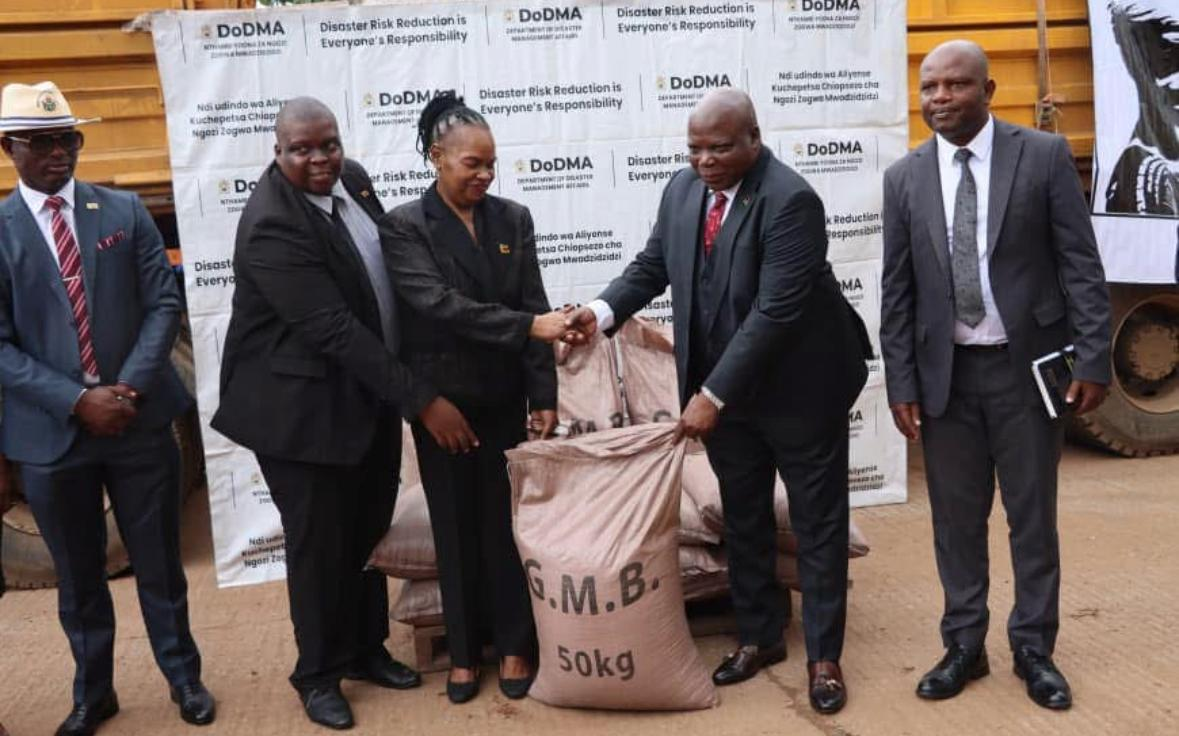
On humanitarian assistance, Moleni said food and non-food items are being distributed to affected households.
“Relief assistance is ongoing, and the department will reach all affected people based on verified reports from councils,” he said, adding that local search and recovery operations are still underway in Nkhotakota.
Moleni also said DoDMA is working closely with DCCMS, councils and partners to disseminate early warning messages and relocate communities at risk to evacuation centres.
According to DoDMA, the 29 affected districts include Balaka, Blantyre, Chikwawa, Chiradzulu, Mulanje, Thyolo, Zomba, Nsanje, Machinga, Mangochi, Phalombe and Neno in the Southern Region; Dedza, Dowa, Kasungu, Lilongwe, Mchinji, Nkhotakota, Ntcheu, Ntchisi and Salima in the Central Region; and Chitipa, Karonga, Likoma, Mzimba and Nkhata Bay in the Northern Region.
—
Also Read: Anticipatory action and disaster management in Malawi
Related: Mutharika orders emergency bridge inspections as heavy rains damage key roads
Related: Floods didn’t fail Malawi. Leadership did