
By Chrissie Teleza
A political scientist has observed that in Malawi, there is a problematic relationship between ruling parties and enforcement agencies, leading to a lack accountability for ruling party cadres when they commit crimes.
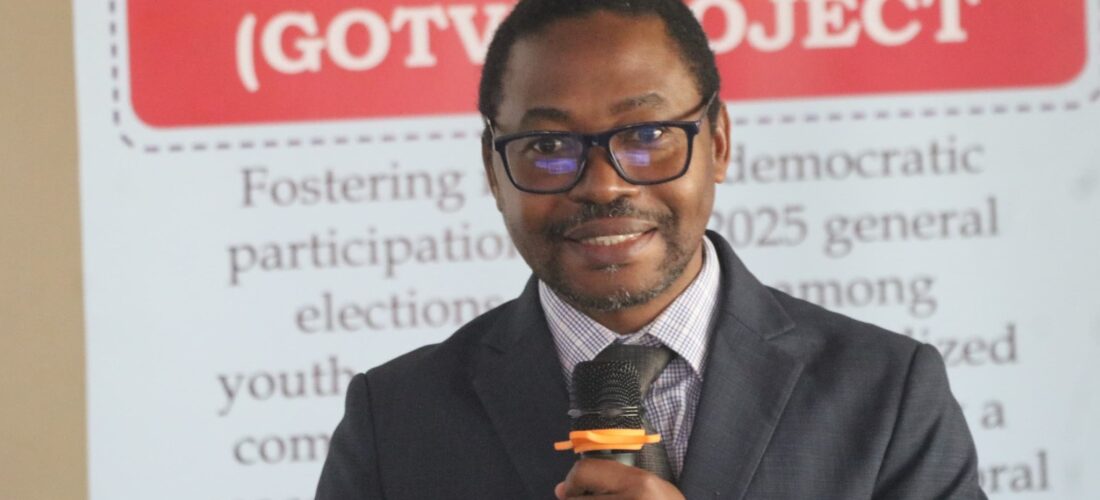
Institute for Policy Research & Social Empowerment Executive Director, Henry Chingaipe told a high level dialogue on peaceful elections organized by the Institute for Policy Interaction (IPI) that interparty violence in Malawi is hardly spontaneous but intentional.
He said occurrences of repeated acts of political violence ironically are “a systematic organised criminality by people who seek to acquire or maintain mandate of the control of the state whose primary work includes dealing with criminality.”
According to Chingaipe, one of the key drivers of electoral violence is the misguided sense of entitlement among ruling party cadres who are not held accountable for their crimes, a tendency he says has been prevalent in Malawi during the tenures of all presidents that ruled the country since 1994.
“Youth cadres of ruling parties project a sense of misguided entitlement that motivates them to act with impunity against other political parties. (They) sometimes conduct themselves as militia and an informal rule understood by the law enforcement agencies including the police, effectively puts them ‘above the law’,” Chingaipe said.
“For ruling party cadres there is no restraint; no arresting; no investigations; no prosecutions,” he added.
Chingaipe said in three consecutive elections after 1999, statistics showed a decline in instances of political violence, but there was an upward turn in the most recent general elections in 2019 and there are fears the situation will be worse this year.
Chingaipe, who is also president of the Malawi Political Science Association, said among measures that can help mitigate political violence, the country needs to foster a culture of mutual accountability, tolerance, and institutional leadership.
“Curb political encroachment in the professional operations of the police service so that they are able to contain rogue elements in the youth cadres of ruling political parties,” Chingaipe suggested.


