
By Edwin Mauluka
Experts have raised concern over the implementation of Malawi’s Farm Input Subsidy Programme (FISP), after it emerged that only 65 percent of targeted beneficiaries have redeemed their inputs.
In Friday’s State of the Nation Address, President Peter Mutharika disclosed that out of the 1.1 million targeted beneficiaries, only 65 percent have accessed subsidised inputs so far.
“We have distributed to 65% of the targeted 1.1 million beneficiaries. By this time last year, only 45% had received fertilizer,” he said.
Despite the progress compared to last year, experts say the figures remain concerning, as 35 percent of intended beneficiaries are yet to access the inputs.
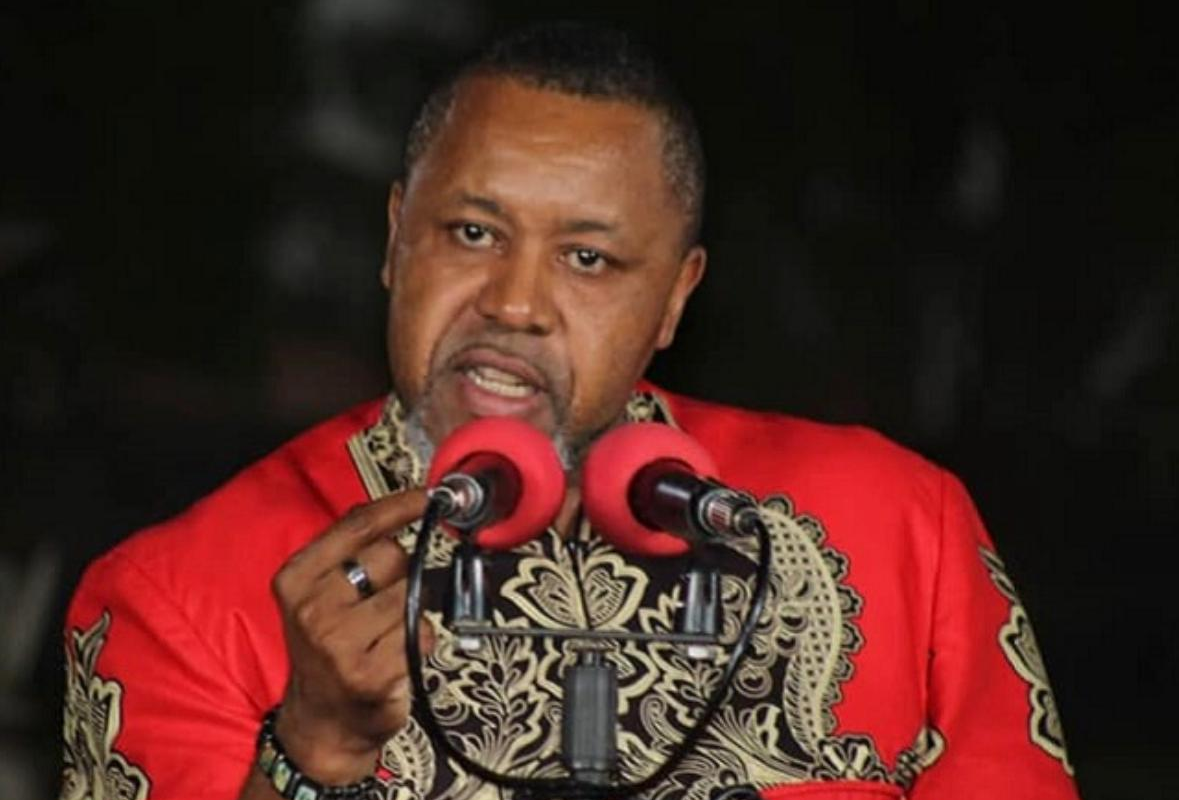
Chairperson of the Human Rights Defenders Coalition (HRDC), Michael Kaiyatsa, said the current redemption rate falls short of expectations.
“The 65% input redemption is not an achievement because the target was 100%. This means a significant number of beneficiaries have not redeemed their inputs, which is not good enough,” he said.
Kaiyatsa added that many farmers who are not part of FISP continue to struggle with high fertilizer prices, while maize prices remain low, creating losses for producers.
He also called on government to address the high cost of seeds, which he said remains a major barrier for farmers.
On a positive note, Kaiyatsa said the President’s address touched on key national issues, but expressed hope that more detailed interventions will be outlined in the upcoming national budget.
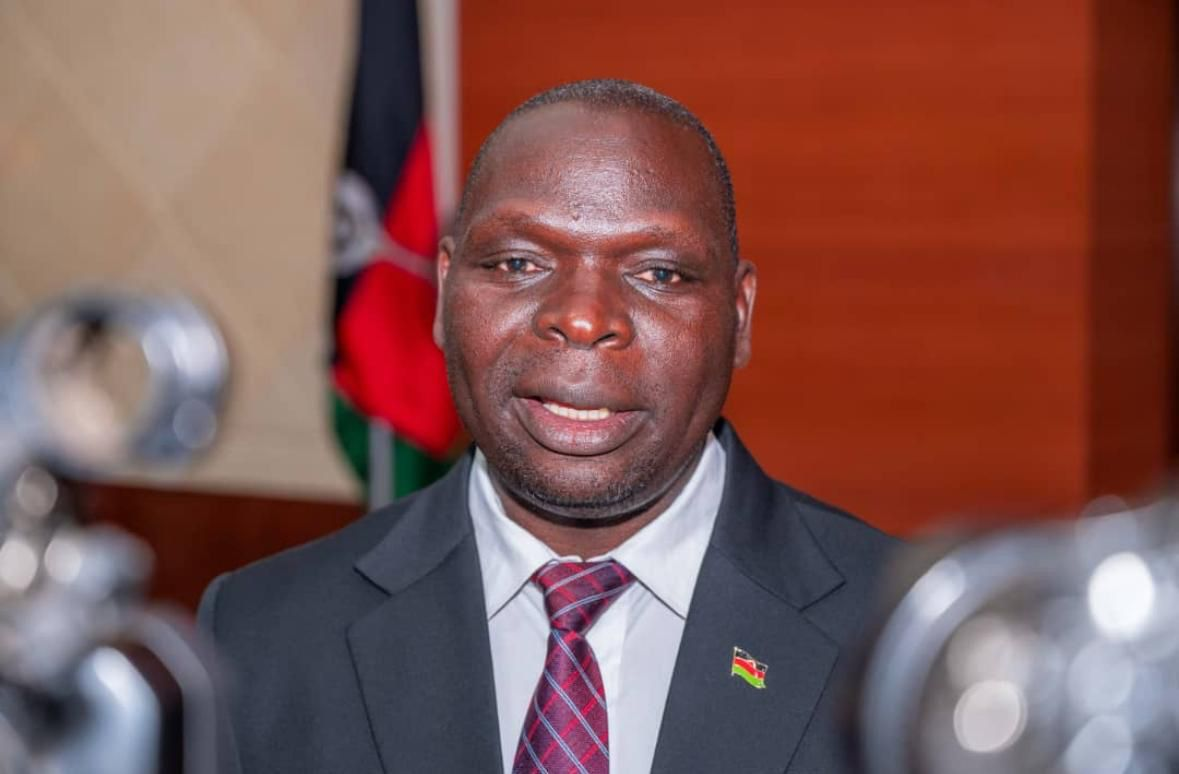
Agriculture expert Leonard Chimwaza welcomed the President’s acknowledgment of challenges affecting FISP but said stakeholders are now looking for concrete solutions.
“People want clarity on the number of beneficiaries for the 2026/2027 financial year and how the government will prevent these challenges from recurring,” he said.
Chimwaza noted that last year, about MWK693 billion was allocated to the agriculture sector, and stakeholders are now keen to see how much funding will go toward key institutions such as the National Food Reserve Agency (NFRA), ADMARC, and large-scale farming initiatives.
He stressed the need for increased investment in irrigation, mega farms, and value addition to reduce reliance on maize imports.
Chimwaza also pointed to progress in the tobacco sector, where 3.5 million kilograms of previously unsold tobacco were cleared from auction floors, generating about US$8.6 million. However, he said farmers want assurance of stable markets in the upcoming season.
He further urged government to clarify how the MWK5 billion Constituency Development Fund (CDF) will support agricultural production.
Both experts welcomed plans to promote local fertilizer manufacturing, saying it could improve availability and affordability. However, Chimwaza emphasized the need to improve road infrastructure to ease transportation of farm produce.
In his address, Mutharika said his administration has implemented strategic interventions to stabilize food supply and reduce maize prices.
“Today, maize is selling between MK38,000 and MK55,000 per 50kg bag, down from around MK100,000 before we took office,” he said.
He added that government has also distributed maize to vulnerable households to ease the food crisis and has directed the Ministry of Agriculture to review and redesign FISP to improve efficiency and ensure it benefits more Malawians.
—
Also Read: FUM pushes for inclusion of all farmers in Malawi’s FISP
Related: Race against time: Malawi deploys military to deliver fertiliser as FISP lags
Related: Downy Mildew outbreak puts Malawi’s maize harvest at risk, farmers warned