By Edwin Mauluka
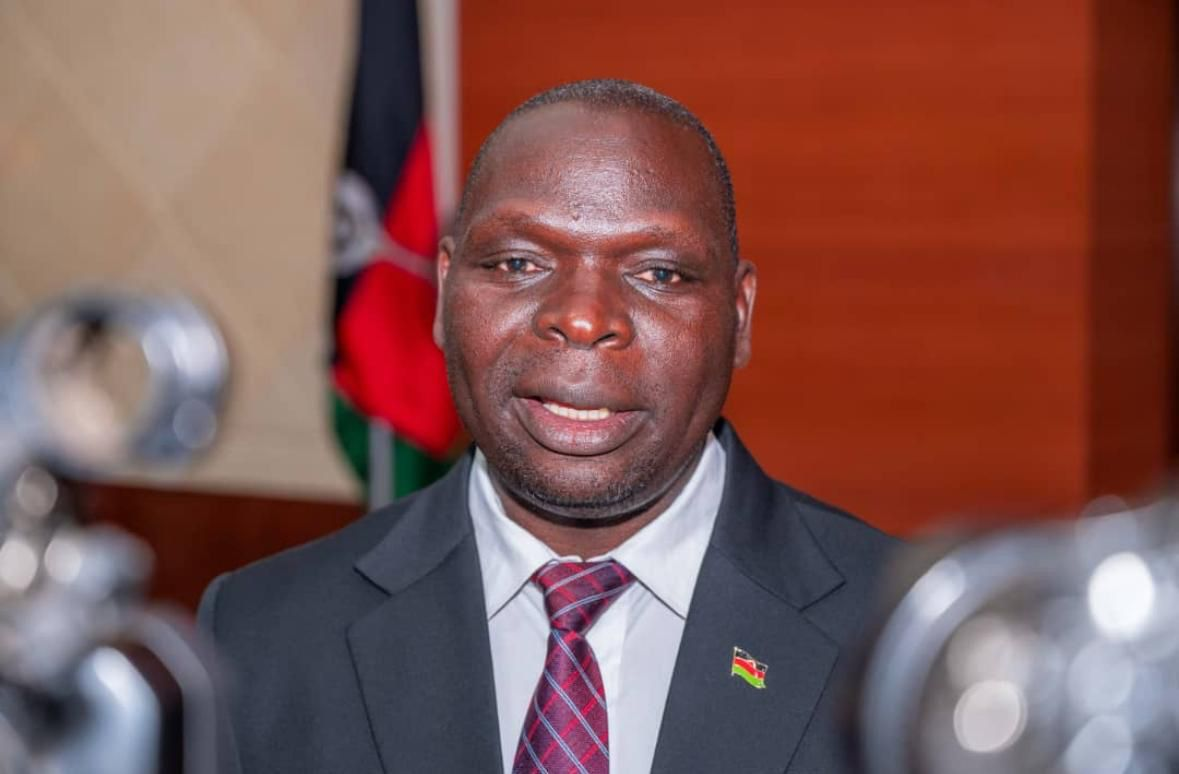
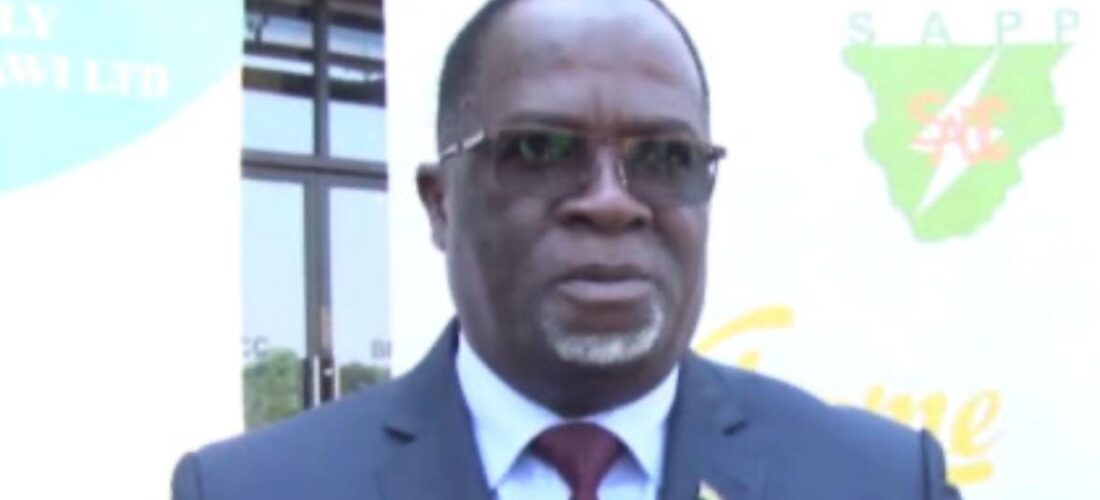
Amid persistent blackouts in Malawi, the Chief Executive Officer of the Electricity Supply Corporation of Malawi (Escom) has been relieved of his duties and reassigned to the Malawi University of Business and Applied Sciences (MUBAS) as a lecturer, effective immediately.
“You are therefore requested to wind up your work at Escom, hand over to the Director of Projects and Development, Engineer Sinos Mallano, and report to MUBAS immediately,” reads part of the secondment letter signed by Chief Secretary Justin Saidi.
Kamkwamba Kumwenda, who has led Escom since 2022, has been directed to “serve as a lecturer under an MBS employment contract.” The letter further notes that the secondment “may be cancelled at any time before the expiry of the agreed period if a need arises and upon agreement between the parties.”
Despite the reassignment, Kumwenda will remain an Escom employee with full employment benefits. His secondment follows the provisions of the Malawi Public Service Regulations governing civil servants seconded to corporations or organizations.
The move comes as Malawi faces one of its most prolonged power shortages in recent years. On November 2, 2025, Escom announced a load-shedding schedule, citing a generation shortfall.
“The forecasted system demand for the week stands at 416MW during the evening peak, 401.16MW at midday, and 389.78MW in the morning. However, with the current generation mix, there remains an unmet demand of approximately 77MW in the evening, 37.41MW in the morning, and 26.12MW at midday,” the utility said.
The situation is expected to worsen due to cloudy weather conditions, which could reduce solar power generation from Independent Power Producers (IPPs). Escom has warned of possible unplanned load shedding if solar output drops significantly and urged customers to use electricity efficiently during peak hours.
Adding to the crisis, the Electricity Generation Company (Malawi) Limited (EGENCO) confirmed that one of its major units, Tedzani III Unit 5, which generates 31MW, has been offline since December 2024 due to burnt generator stator windings. Diesel generators that normally supplement supply are also affected by fuel shortages, reducing available capacity by an additional 51MW.
EGENCO recently suffered another setback when Nkula B Unit 5, which produces 20MW, failed to restart after turbine repairs but has since been restored.
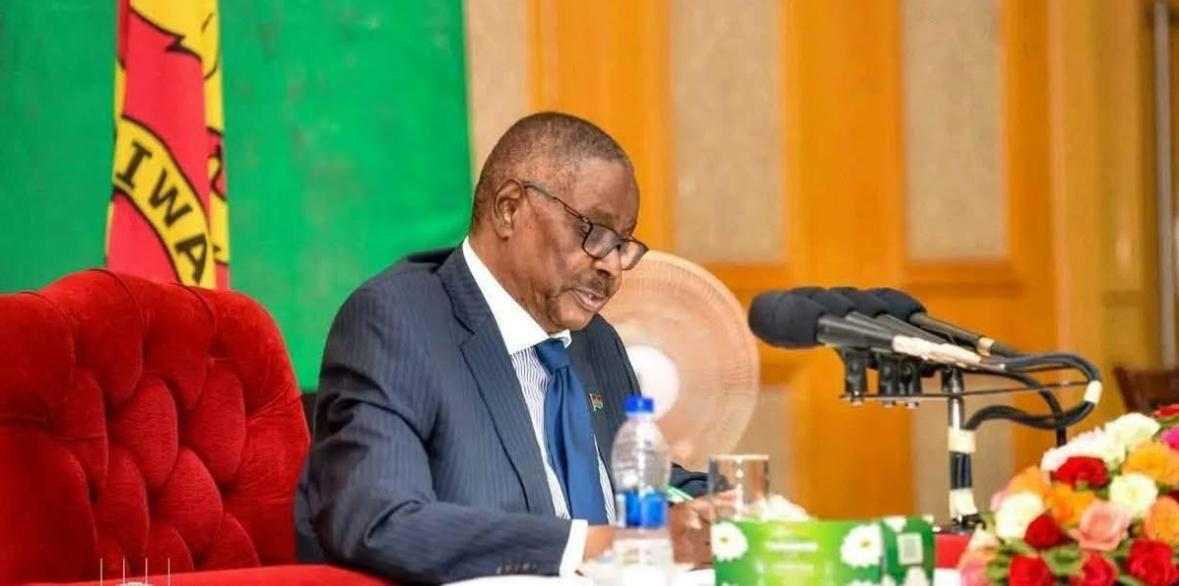
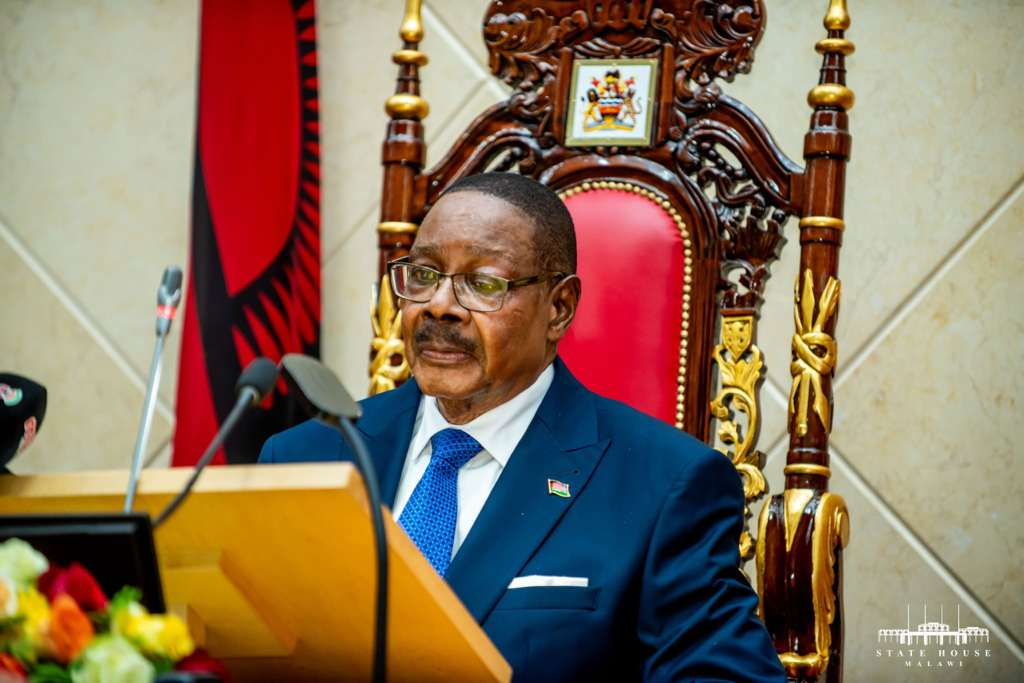
President Peter Mutharika, in his State of the Nation Address, acknowledged that power generation remains a major obstacle to economic growth and pledged to diversify and expand the energy mix.
“The economy cannot grow in this situation,” Mutharika said. “My government will increase power generation from multiple sources, including hydro, solar, interconnectivity, and biomass.”
He announced that construction of the 358.5-megawatt Mpatamanga Hydropower Project will be fast-tracked in 2026, alongside the expansion of EGENCO’s Salima Nanjoka Solar Power Plant to 50 megawatts.