
By Edwin Mauluka
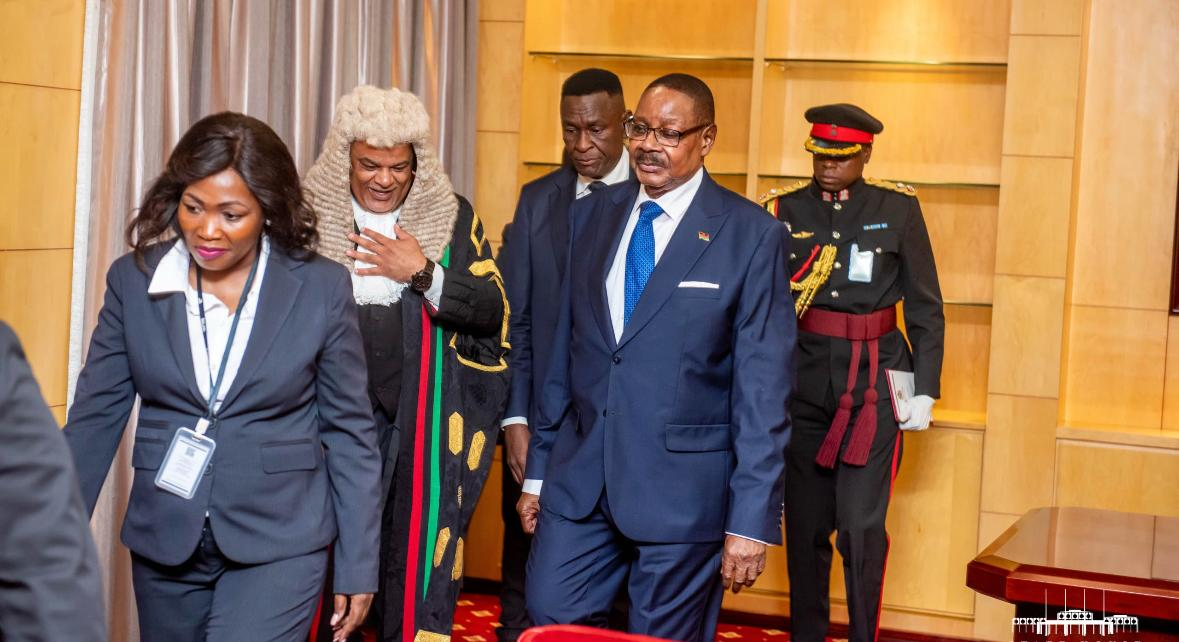
Malawi civil society has welcomed President Lazarus Chakwera’s signing of the Elections Amendment Bill, a new law allowing poll workers to cast their votes at stations where they are deployed on election day, ensuring no one safeguarding the ballot is denied their own voice.
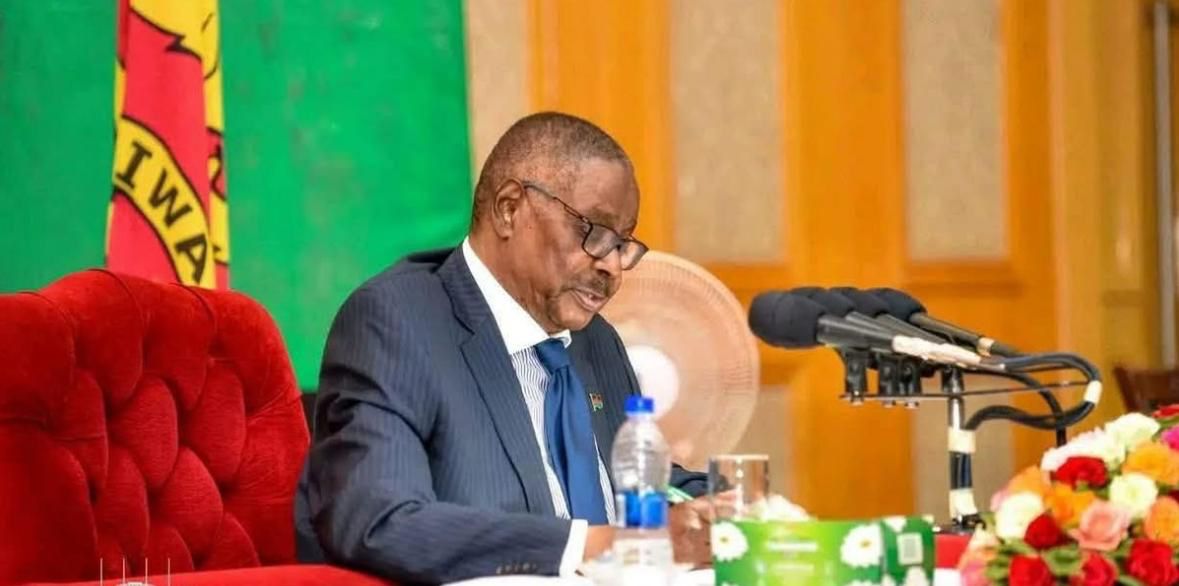
Using powers vested in him under Section 89 of the Malawi Constitution, President Lazarus Chakwera on Wednesday signed into law the Presidential, Parliamentary and Local Government Elections (Amendment) Bill No. 23 of 2025, which civil society groups say will safeguard the right to vote.
The Civil Society Elections Integrity Forum (CSEIF), which championed the amendment, welcomed the move as a major step toward inclusion. The law revises Section 74 of the Presidential, Parliamentary and Local Government Elections Act (No. 10 of 2023) to prevent the disenfranchisement of certain groups.
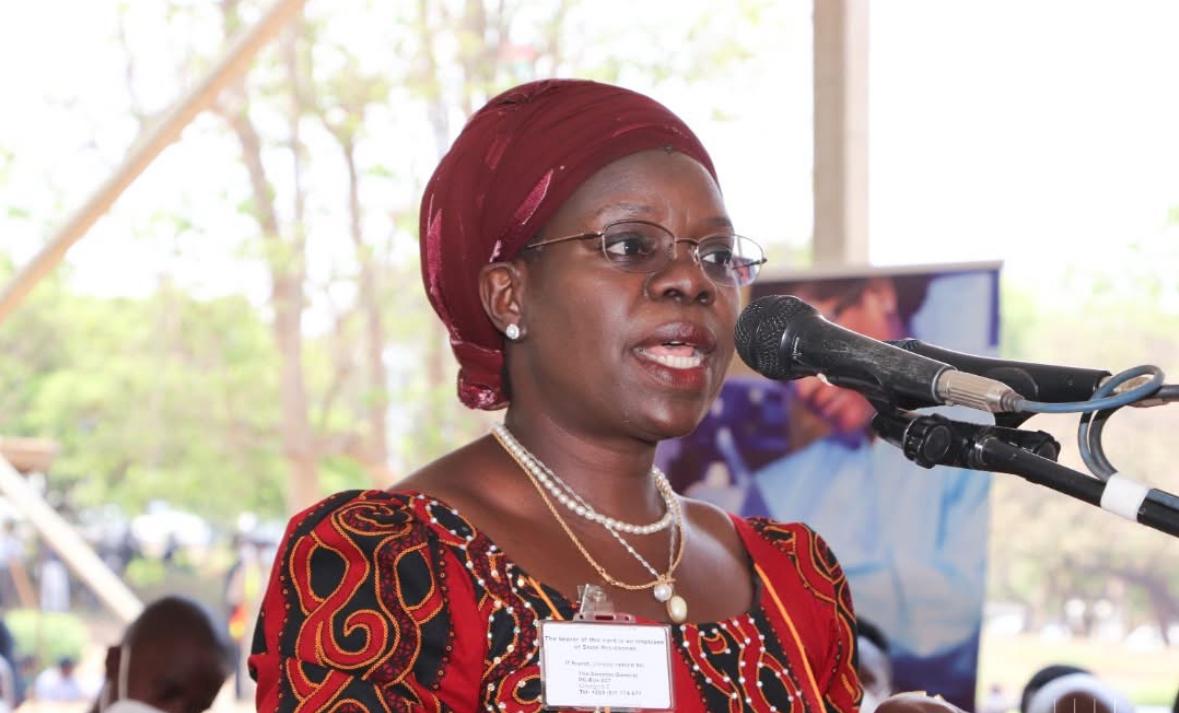
“As civil society, we consistently emphasized that it was a contradiction to expect polling staff, security officers, party/candidate representatives, and the media to safeguard the integrity of elections while simultaneously being denied the right to cast their own vote,” said Benedicto Kondowe, CSEIF chairperson, in an interview with The Forum.
“This amendment now ensures that those at the heart of managing and observing elections can fully participate as citizens without compromising their professional obligations.”
Under the new law, election workers will be allowed to vote at the polling stations where they are deployed.
The bill, passed by the legislature on August 5, 2025, only came to life after the National Assembly was reconvened under a presidential directive to overturn its earlier resolution, which Kondowe argues could have triggered a constitutional crisis.
Kondowe is urging Malawians not to sit out this election.
“Your vote is your voice, and it carries the power to shape the future of our country.”
He also stressed the importance of peace at the polls: “Let us reject any form of violence, intimidation, or manipulation. Democracy thrives where citizens participate freely and responsibly. By exercising patience in queues, respecting election officials, and abiding by the law, Malawians can send a strong message that our democracy is resilient and maturing.”
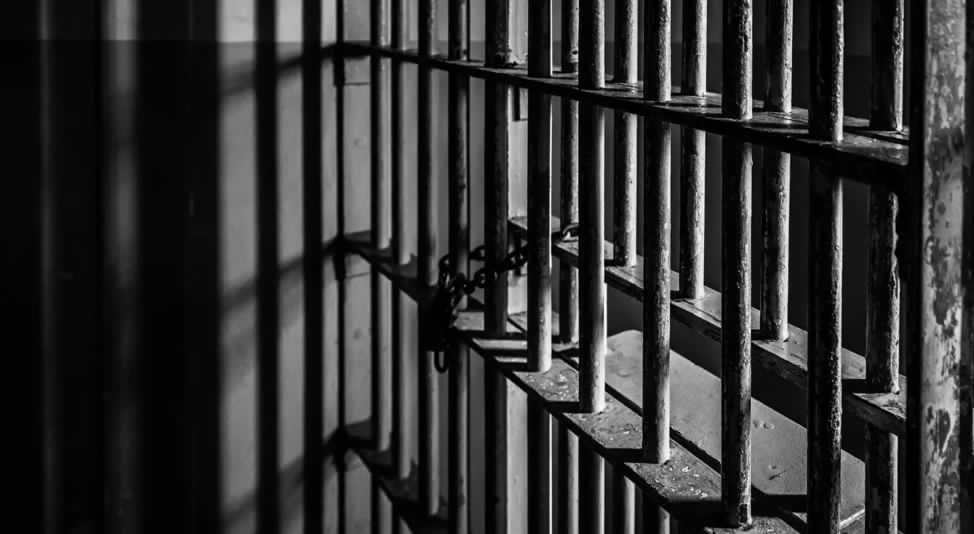
Kondowe also has his eyes on future reforms. By 2030, he wants other excluded groups, such as students studying away from home and prisoners, to gain the right to vote.
“Civil society will continue to play its role in pushing for such reforms, but ultimately, it is the collective responsibility of all Malawians — citizens, leaders, and institutions — to defend and deepen democracy,” he said.
If there is one thing Kondowe and his fellow advocates have proven, it is persistence. The law President Chakwera signed is the product of intense engagement between the Malawi Electoral Commission (MEC) and civil society groups determined to fight for a more inclusive democracy.