By Edwin Mauluka
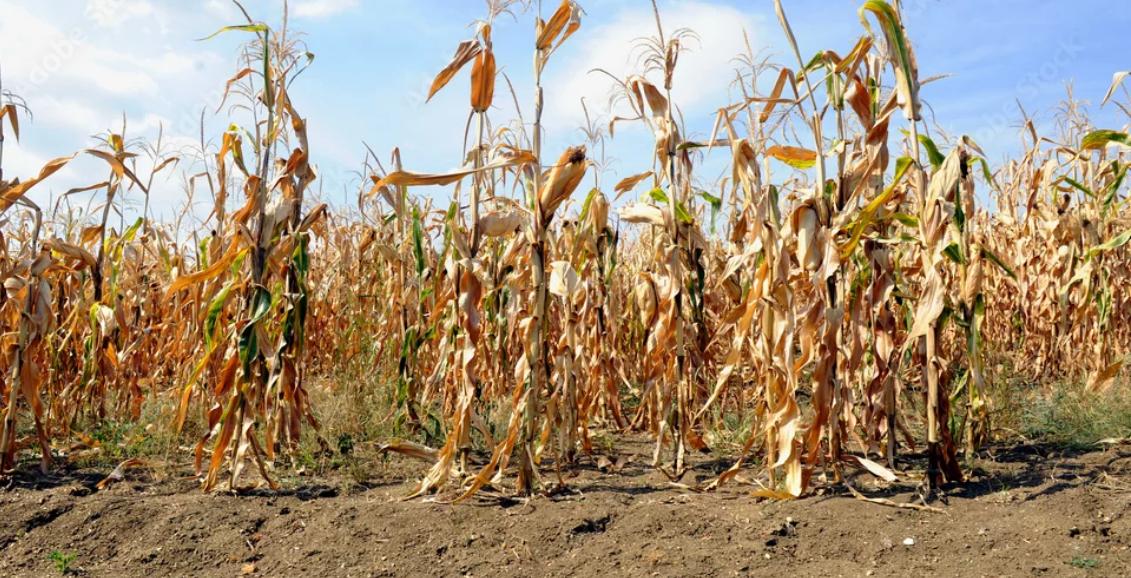
The Ministry of Agriculture, Irrigation and Water Development says parts of Southern Malawi have been hit by an outbreak of Downy Mildew Disease (DMD), a destructive maize infection that could significantly reduce yields if not contained.
Secretary for Agriculture Davis Sado said the disease has been detected in the Blantyre and Machinga Agricultural Development Divisions (ADDs), cautioning that it may spread to other districts if preventive measures are not urgently implemented.
Sado urged farmers to act before planting by deeply ploughing their fields, using certified seed from approved suppliers, and treating seed with Metalaxyl at 6g per kilogram. He further advised farmers to avoid planting maize near sugarcane to reduce cross-contamination, maintain recommended plant spacing to improve air circulation, and rotate maize with pulses or legumes.
“During growth, uproot and bury infected plants as soon as they appear, and avoid moving around the field with infected material to prevent spores from spreading. Also, avoid ratooning sorghum to reduce spore build-up that leads to early infection,” said Sado.
After harvest, he emphasized the need to burn crop residues from infected fields to stop the disease from recurring.
“Farmers and the general public are therefore advised to report suspected Downy Mildew cases to the nearest agricultural staff or government offices,” he added.
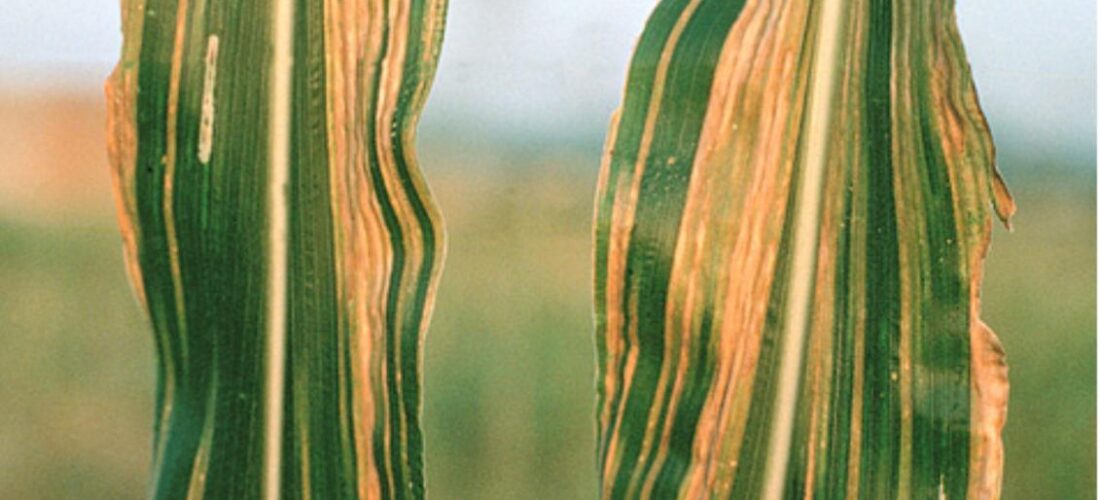
The disease is identifiable by chlorotic stripes on young leaves, stunted growth, premature plant death, mould-like growth on leaf undersides, and malformed tassels. DMD primarily affects maize but can also infect sorghum, sugarcane, and millet.
According to the ministry, the disease spreads through infected seed, contaminated crop residues and soil, and airborne spores, and in severe cases can cause total crop loss.
—
Also Read: Mutharika declares disaster in 11 districts as Malawi hunger crisis deepens
Related: FUM pushes for inclusion of all farmers in Malawi’s FISP