By Edwin Mauluka
A proposed tax on imported maize seed set to take effect this year should be postponed until 2027 to allow local production to scale up and stabilize supply, the Parliamentary Committee on Budget has recommended.
Presenting the 2026/27 National Budget, Finance Minister Joseph Mwanamveka announced a 25 percent import surcharge on selected goods, including maize seed, aimed at reducing imports and protecting emerging local industries.
“In order to reduce the price of seed, save foreign exchange and increase availability, MWK11.3 billion has been allocated for maize seed to be produced and purchased locally,” Mwanamveka said.
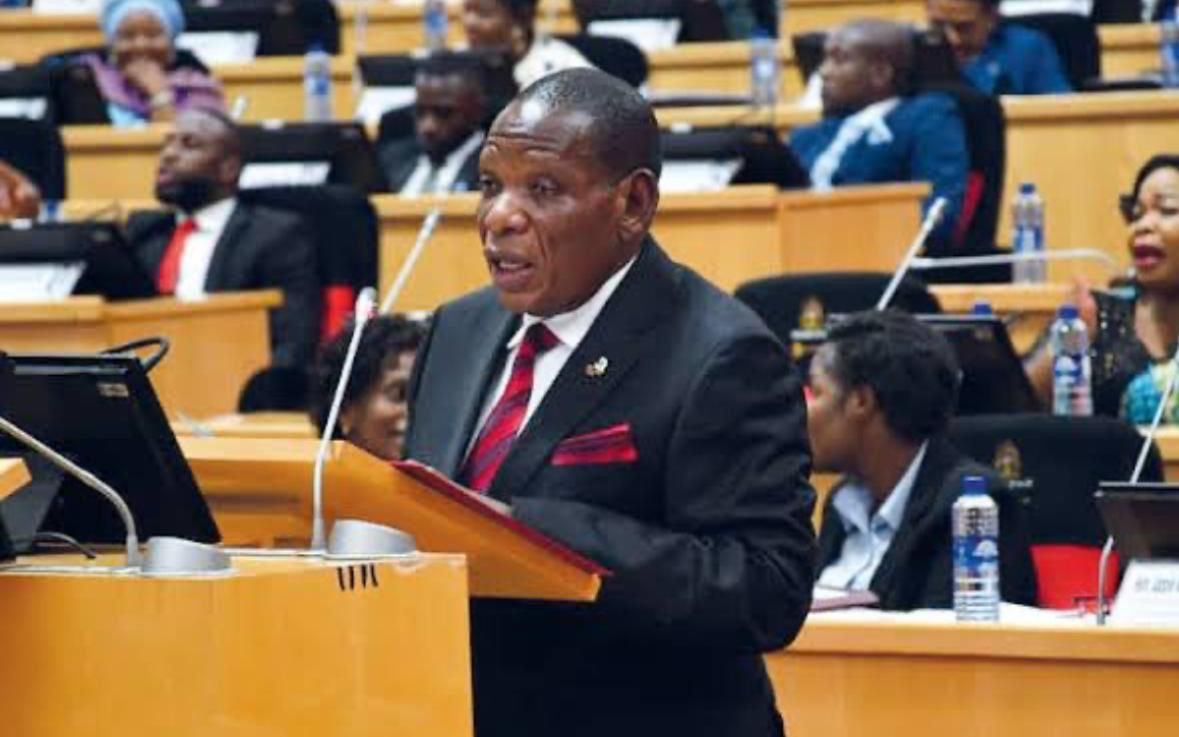
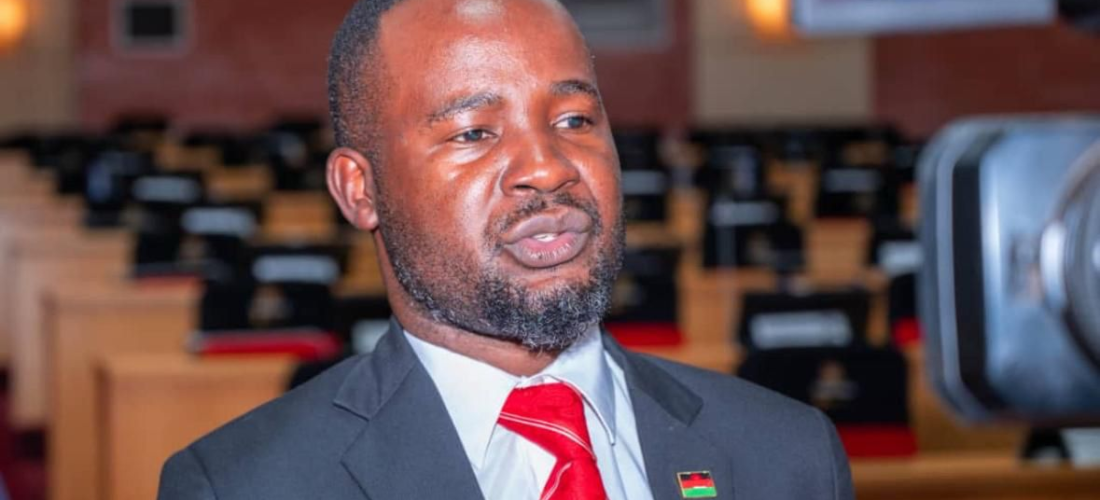
While supporting the policy in principle, Committee Chairperson Sosten Gwengwe cautioned against its immediate implementation, warning it could drive seed prices beyond the reach of most farmers.
“It is the view of the committee that this measure be delayed to next year, when local seed production would have increased supply on the market. Otherwise, prices will rise beyond what most farmers can afford,” Gwengwe said.
The committee also asked the Finance Minister to clarify how a 31.8 percent cut in social benefits will affect beneficiaries and the design of the Farm Input Subsidy Programme (FISP).
Members expressed concern that the allocation has dropped from MWK214.1 billion in the revised 2025/26 budget to MWK111.25 billion in 2026/27, despite the number of beneficiaries increasing to 1.1 million households.
Gwengwe said the committee is also pushing for stronger investment in irrigation, value addition and structured agricultural markets to boost productivity and resilience.
On the reformed Constituency Development Fund (CDF), the committee stressed the need to strengthen local council capacity to manage allocations of MWK5 billion per constituency, warning that weak systems could expose the programme to fiscal risks.
“The committee looks forward to the guidelines being formulated, which will be key in assessing the feasibility of the programme. Much attention must go to oversight functions, and this House is well placed to fulfil its constitutional mandate,” he said.
The committee further called for increased investment in underutilised sectors such as mining and tourism, citing their potential to drive economic growth and generate foreign exchange.
It also urged the government to move beyond policy statements and accelerate implementation of export-oriented reforms.
“The government should prioritise a few well-resourced flagship initiatives in value addition, agro-processing and export-oriented manufacturing to diversify exports and strengthen foreign exchange earnings,” Gwengwe said.
The committee additionally advised the government to prioritise completion of ongoing high-impact projects, reduce the budget deficit, curb public debt and expedite debt restructuring.
Gwengwe warned that failure to address persistent fiscal imbalances risks locking the country into long-term economic stagnation.
Interest payments on public debt remain a major concern, projected to reach MWK2.793 trillion in the 2026/27 financial year, with 97.7 percent attributed to domestic debt. These payments are expected to consume about 43 percent of total domestic revenues, severely limiting funds available for development and public services.
Malawi’s total public debt stood at MWK24.3 trillion — equivalent to 93.2 percent of GDP — as of December 2025, with domestic debt accounting for 65.8 percent. This translates to roughly MWK1.1 million to MWK1.2 million per citizen.
To broaden the revenue base, the committee called for efforts to bring more individuals and businesses into the tax net, particularly in the informal sector and emerging industries such as entertainment and events.
It also welcomed the introduction of paying wards and partnerships with medical insurers as a way to mobilise additional resources, improve service delivery and reinvest in hospital infrastructure.
In education, the committee said free primary and secondary schooling, combined with population growth, must be matched with significant investment in infrastructure expansion and maintenance.
The committee further noted that tackling corruption, theft and fraud will be critical to ensuring the budget delivers results.
“Malawi is creating fraudsters at a much faster pace. We have too many ‘supreme leaders’ of corruption, and this budget must allocate sufficient resources to anti-corruption, fraud and money laundering institutions,” Gwengwe said. “Otherwise, a well-crafted budget like this may once again go to waste.”
—
Also Read: Agriculture ministry seeks bigger budget for food security
Related: Phale urges revival of cotton industry to boost Malawi’s forex and revenue
Related: Race against time: Malawi deploys military to deliver fertiliser as FISP lags