
By Edwin Mauluka
The Department of Disaster Management Affairs (DoDMA) says Malawi can significantly reduce the impact of natural disasters like floods if efforts are channelled towards increasing investment in anticipatory actions.
Speaking on Thursday at the 3rd National Dialogue Platform on Anticipatory Action in Lilongwe, DoDMA Commissioner, Wilson Moleni, said anticipatory action focusing on risk assessment, early warning systems, community preparedness, coordination and resource planning can significantly reduce expenditure on disaster response and recovery.
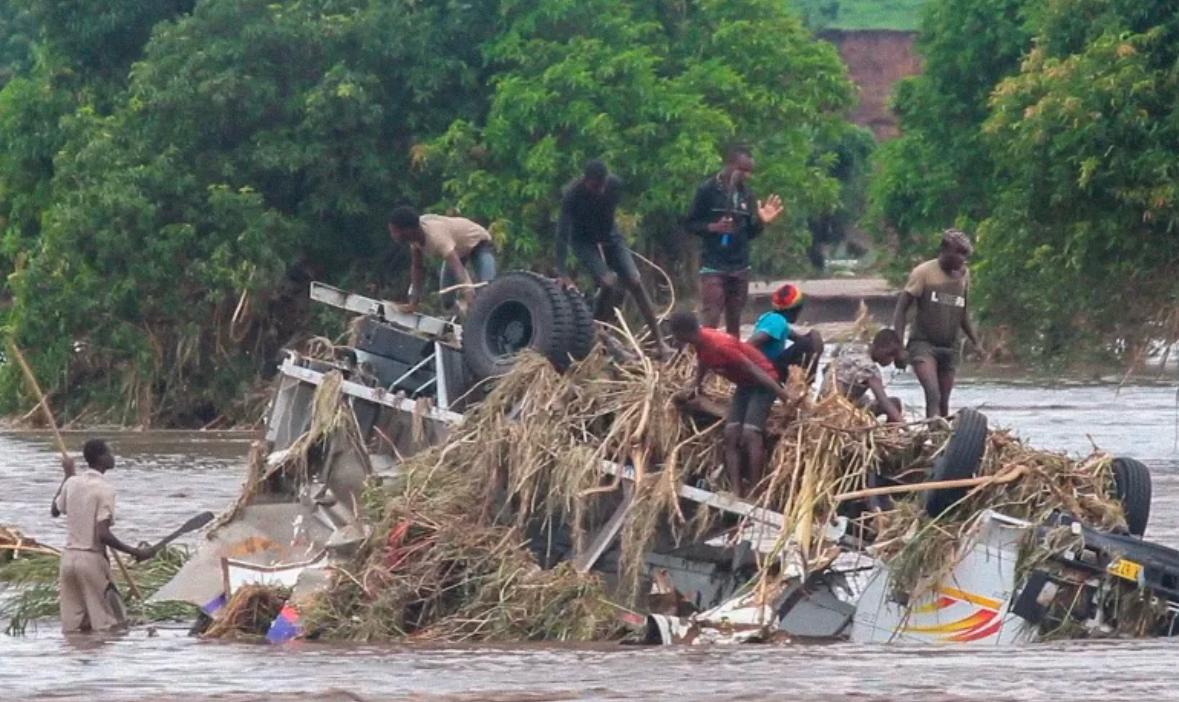
Moleni said such actions could have prevented the severe impact of cyclones such as Freddy, Chido and Jude which have hit the country in recent years.
“The effects of Cyclone Freddy could have been reduced if anticipatory initiatives had been implemented. For example, Cyclone Chido did not cause much havoc because communities were prepared before it struck. This calls for concerted efforts in resource mobilisation from all stakeholders to build resilience,” he explained.
The Commissioner has since urged Malawians and the international community to take part in anticipatory action through proactive steps such as disseminating warning messages, encouraging early crop harvesting, clearing drainage systems and relocating people to safer places.
Moleni also disclosed that his department will soon complete preparations for the implementation of the Disaster Risk Management Fund, which will pool resources from different players for handling disasters.
“This fund was created under the 2023 Disaster Risk Management Act, but there are certain preparatory work underway to activate that fund. Once it is rolled out, various donors can send their support through that pool,” he said
Hyoung-Joon Lim, World Food Programme (WFP) Country Director, emphasised the significance of prioritising anticipatory action among stakeholders and reiterated WFP’s commitment to supporting DoDMA to strengthen anticipatory actions.
“Anticipatory action is very important because it protects communities from climate shocks. Investing in people before disaster strikes helps them become resilient, and poor harvests caused by natural disasters can become a thing of the past,” noted Lim
While underscoring the need for strong collaboration in reducing disaster risks, Malawi Red Cross Society’s Director of Programs, Leonard Maganga, also shared that Red Cross is moving resources to strategic places in preparation for any possible calamities.
He said the organisation has already begun mobilising resources for disaster prone areas and has registered 53,000 people in Phalombe who will receive cash assistance in case of floods.
The two-day third National Dialogue Platform on Anticipatory Action in Malawi is being held under the theme “From Insight to Impact: Institutionalising Anticipatory Action in Malawi.”
—
Also Read: New CDF guidelines allow disaster response expenditure
Related: Hara urges Mutharika to save effective MCP programs, backs new DPP initiatives
Related: Malawi reveals recovery plan to stabilize economy and boost growth