By Edwin Mauluka
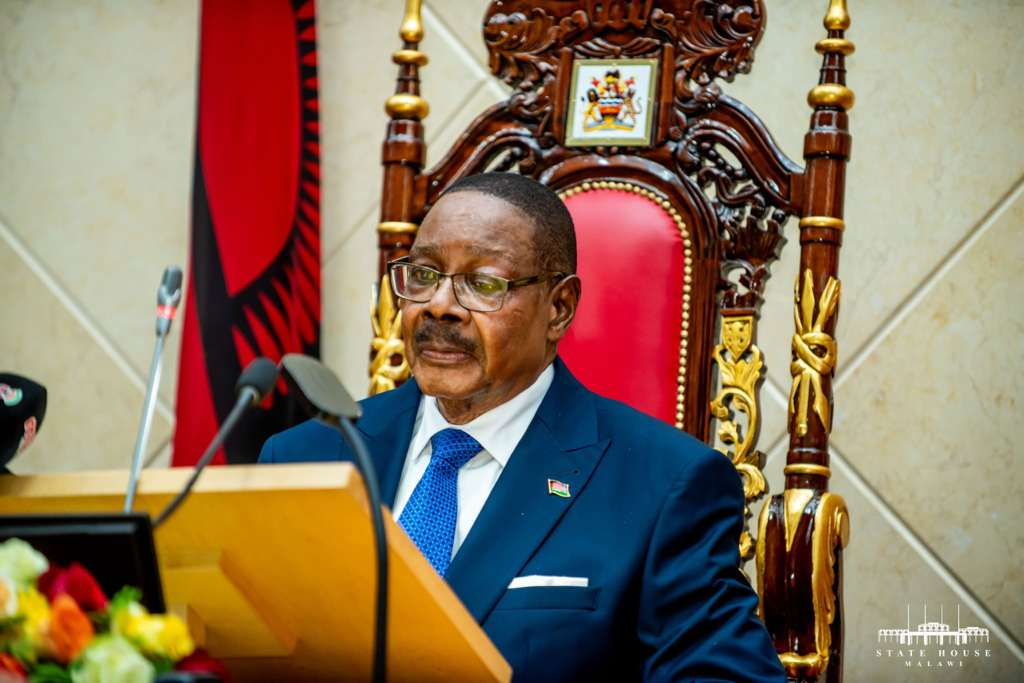
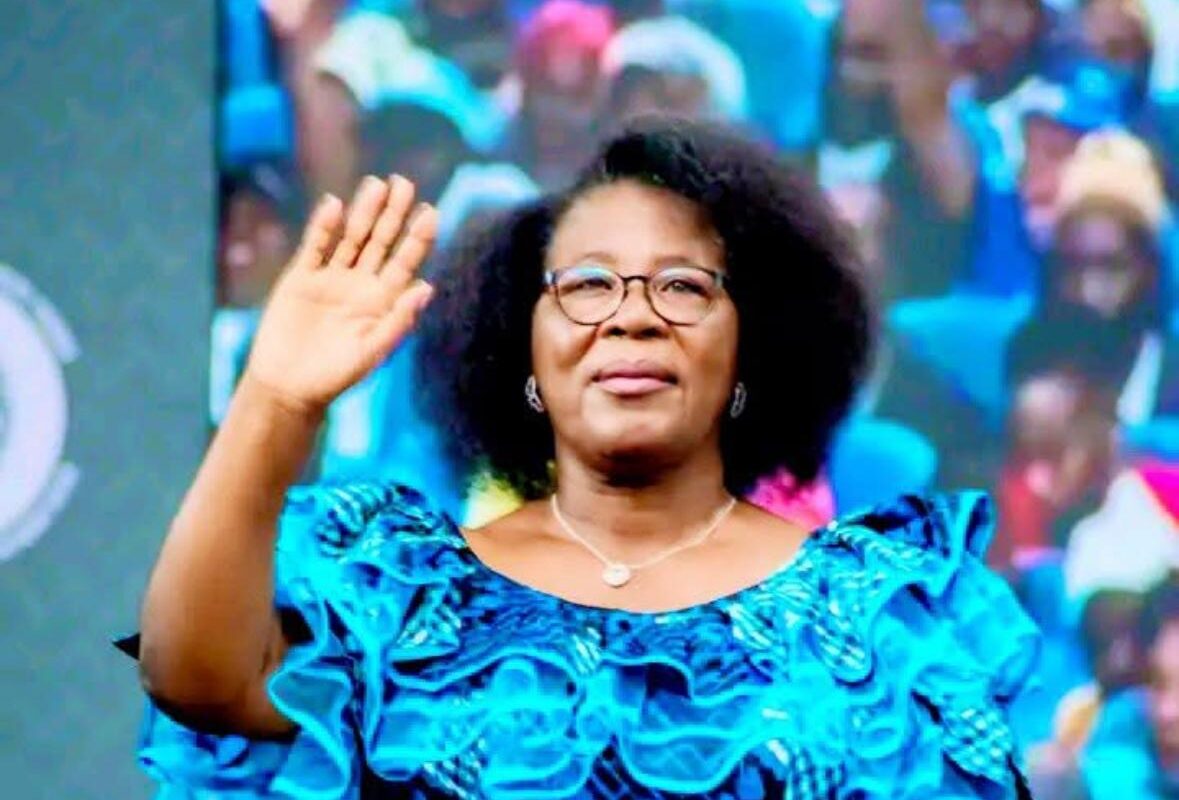
Vice President Jane Ansah has called on local councils to take a leading role in ensuring that the reformed MWK5 billion Constituency Development Fund (CDF) delivers meaningful economic opportunities for persons with disabilities, saying inclusive development must become a deliberate national priority rather than an afterthought.
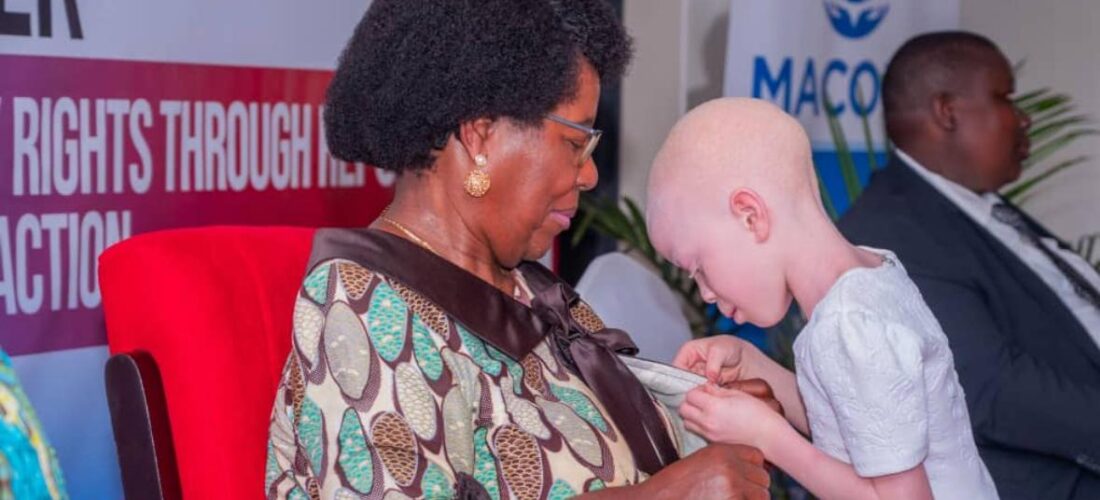
Ansah made the remarks on Friday when she officially launched the 2025 Malawi Council for Disability Affairs (MACODA) Flag Week, held under the theme Championing disability rights through reporting and action. She said the theme is a reminder for duty bearers to move beyond rhetoric and demonstrate results that improve the lives of Malawians with disabilities.
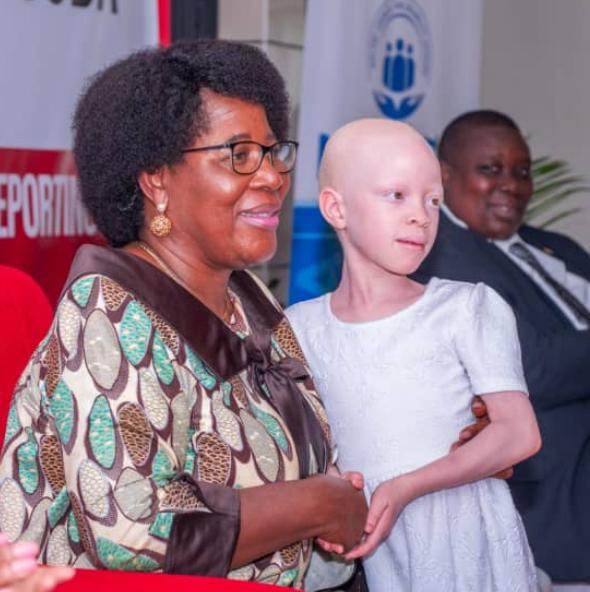
“I am doing this to make sure that persons with disabilities are direct beneficiaries and that they are not left out of these funding initiatives,” she said.
She instructed district councils and agriculture officials to ensure that poor farmers with disabilities are explicitly targeted in the Farm Input Subsidy Programme (FISP). This, she said, is essential to correct long-standing disparities in access to economic empowerment programmes.
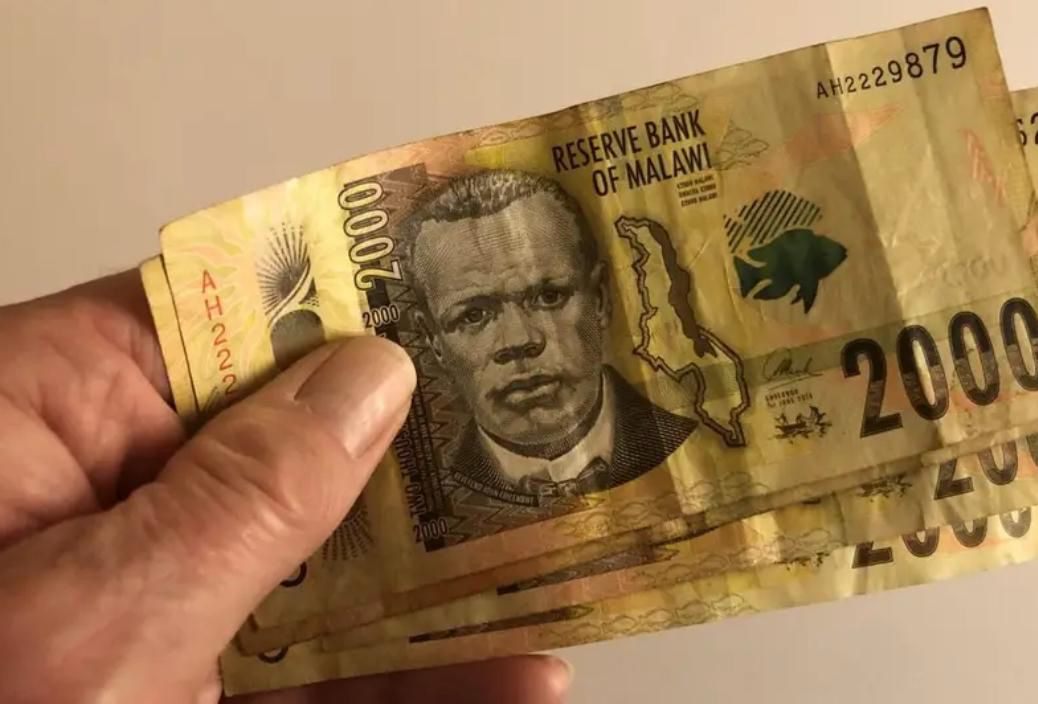
Under the reformed CDF, the government has introduced separate MWK100 million allocations for youth economic empowerment and women’s empowerment. Ansah said these funds must also be accessible to youth and women with disabilities through business loans and enterprise support. She further highlighted the government’s free secondary education policy, saying it will ease financial pressures on learners with disabilities from poor households and help keep them in school.
Also Read: Malawi DPP government reforms CDF, empowers local councils
The Vice President said the new directives are intended to ensure that every government intervention is strategically aligned to benefit persons with disabilities, not as a favour but as a matter of rights and equal opportunity. She emphasised that existing legislation (the Persons with Disabilities Act of 2024 and the National Disability Policy) already provides a solid framework, and what remains is full implementation and enforcement.
“We will work to translate these frameworks into tangible and meaningful outcomes for the benefit of persons with disabilities,” she said. “Government believes that Malawi belongs to everyone, regardless of gender, tribe or disability.”
Ansah reaffirmed her personal and institutional commitment to advancing the rights and freedoms of persons with disabilities, saying their protection is an obligation she swore to uphold. She also addressed MACODA’s limited funding, urging the Ministers of Finance and of Trade and Industry to prioritise investment in the Bangwe Weaving Factory, which she said has the potential to generate sustainable revenue and uplift many families. She appealed to ministries, departments and agencies to allocate a portion of their textile procurement to the factory to strengthen disability-friendly enterprises.
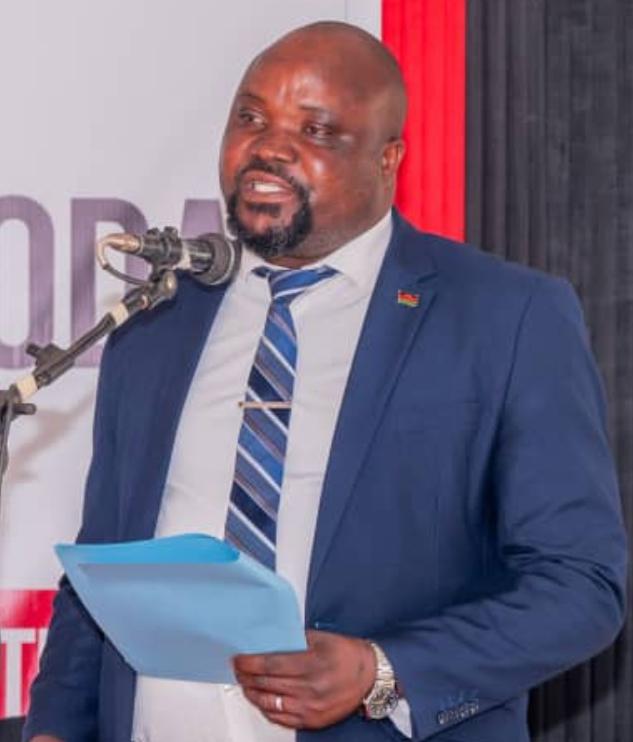
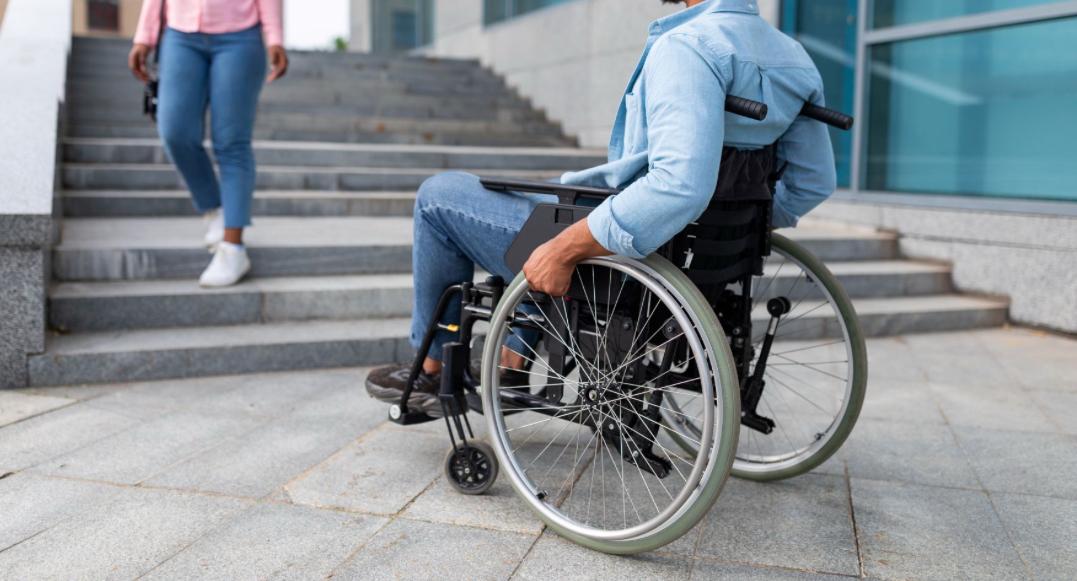
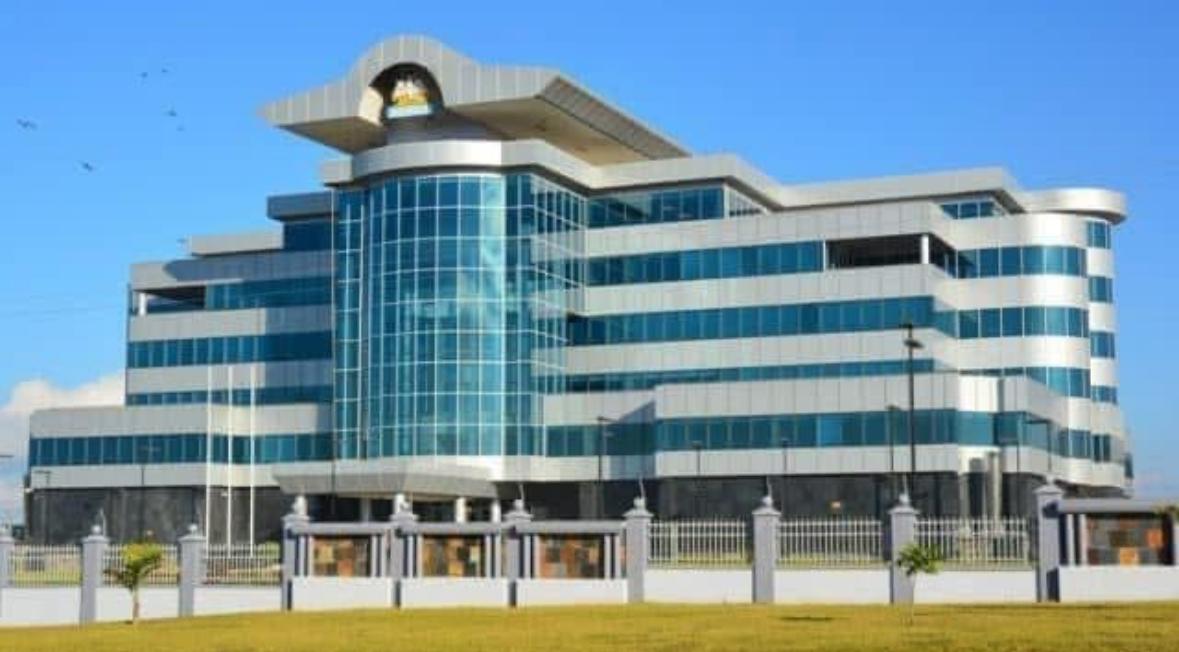
Turning to infrastructure barriers, Ansah called for all public buildings and facilities to be made accessible, saying the current environment continues to exclude and disempower persons with disabilities. “I therefore appeal to the Minister of Transport and Public Works and the NCIC to seriously work on having our public facilities accessible to everyone,” she said.
FEDOMA Executive Council Vice Chairperson Scader Louis welcomed the new administration’s decentralisation agenda, calling it a rare opportunity to embed disability inclusion at local level. She said the redesigned CDF provides a chance to rethink community development only if persons with disabilities are included at the decision-making table.
“When people shape the programmes meant for them, results are stronger, more relevant and more sustainable,” Louis said. She urged ministers, MPs and local government officials to ensure inclusion from the start – in consultations, guidelines, beneficiary selection and governance structures – adding that “inclusion cannot be an afterthought.”
MACODA Director General George Chiusiwa said Flag Week is more than symbolic; it is a national platform for raising awareness about the challenges and achievements of persons with disabilities and recommitting to concrete actions that promote their dignity, participation and equality.